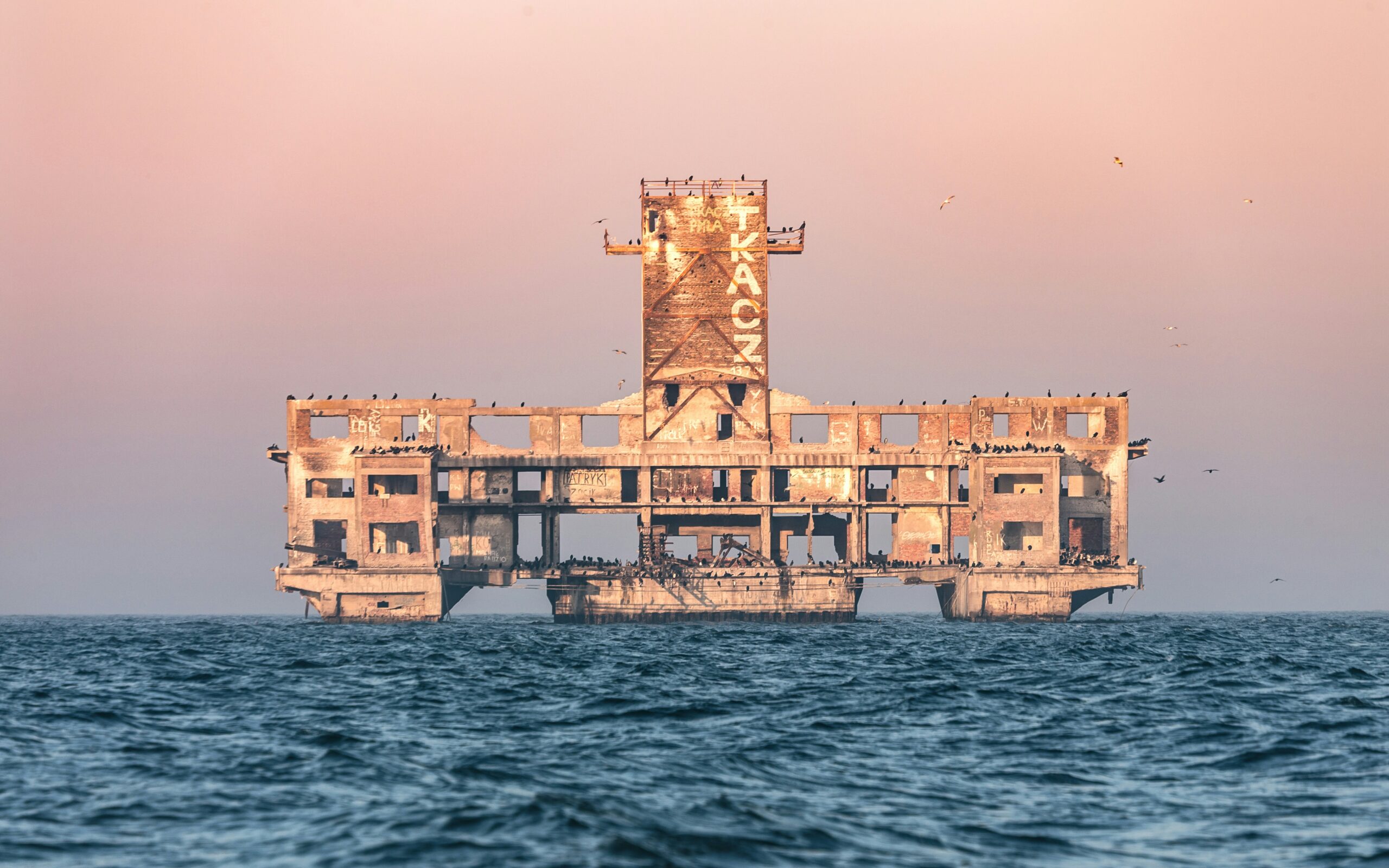
Marine construction is one of the most challenging fields in modern engineering. Engineers must work in places where wind, waves, and saltwater create constant risk. These projects happen in oceans, rivers, and coastal areas. The work requires strong planning and special equipment. Workers also need deep knowledge of water behavior and weather patterns. Many industries depend on safe structures built in water. Ports, bridges, offshore wind farms, and oil platforms all rely on marine construction. Engineers must design structures that can resist storms, corrosion, and moving water. The work becomes even harder in extreme environments. Ice, deep water, strong currents, and hurricanes can damage structures if they are not designed well. That is why marine construction in extreme environments has become a key focus in engineering today. Experts continue to develop better tools and smarter building methods. These advances help engineers design safe, strong structures on water.
Understanding Marine Construction in Harsh Water Conditions
Marine construction projects often take place in locations where conditions change quickly. Water levels can rise and fall. Storms can appear without warning. Strong waves can damage equipment and slow work. Engineers must study the site carefully before any building begins. They look at water depth, soil type, wave patterns, and weather history. These factors affect how a structure will stand over time. For example, a bridge pier must handle constant wave pressure. An offshore platform must stay stable during storms. Engineers design strong foundations that reach deep below the seabed. They also choose materials that resist corrosion from saltwater. Steel, reinforced concrete, and special coatings help protect structures. Safety is always a top priority. Workers use special platforms, floating cranes, and barges to complete the job. These tools allow construction to continue even in difficult environments. Careful planning and smart design make these projects possible.
Key Challenges Faced by Marine Engineers
Extreme marine environments bring many technical challenges. One major challenge is wave force. Large waves exert strong energy on structures. Over time, this force can weaken concrete and steel. Engineers must calculate wave pressure carefully. Another challenge is corrosion caused by saltwater. Salt speeds up the rusting process on metal surfaces. Without protection, structures could fail earlier than expected. Engineers apply protective coatings and special alloys to reduce corrosion. Deep water construction also creates problems. In deep seas, divers cannot work easily. Engineers must use remotely operated vehicles and underwater robotics. These machines help install foundations and inspect structures. Ice is another danger in colder regions. Moving ice sheets can crash into offshore platforms or bridge supports. Engineers design ice-resistant shapes to reduce damage. The weather also affects work schedules. Strong winds and storms can stop construction for days or weeks. Despite these difficulties, engineers continue to build strong marine structures through careful design and planning.
Modern Technology Supporting Offshore Construction
Technology has transformed the way marine construction projects are completed. Engineers now use advanced digital tools to study the ocean environment before building begins. Computer simulations help predict wave impact, water currents, and structural stress. These models help engineers design stronger foundations. Drones and underwater robots also support construction work. They inspect structures and collect data in areas where humans cannot reach easily. Floating cranes allow workers to lift heavy materials in deep water. GPS systems guide ships and equipment with high accuracy. These technologies improve safety and reduce construction errors. Many projects today involve renewable energy installations. Offshore wind farms require stable foundations placed deep under the seabed. These projects show how marine construction supports sustainable energy. The demand for stronger offshore structures continues to grow. This is why offshore construction engineering has become an important field in modern infrastructure development. Engineers continue to improve tools and methods to handle extreme water environments.
Environmental Protection in Marine Construction
Building structures in water can affect marine ecosystems. Engineers must protect the environment while completing projects. Many marine animals depend on coastal and ocean habitats. Construction noise and sediment movement can disturb these habitats. Engineers now follow strict environmental guidelines during marine construction. They plan projects carefully to reduce harm to wildlife. For example, work schedules may avoid fish migration seasons. Special barriers may control sediment spread in the water. These barriers help protect coral reefs and seagrass beds. Engineers also use quieter equipment when possible. Environmental monitoring systems track water quality during construction. These systems help detect pollution early. Sustainable materials are also becoming more common. Many projects now focus on eco-friendly design. Artificial reefs sometimes form around offshore structures. These reefs can support marine life over time. Responsible construction ensures that economic growth does not damage ocean ecosystems. Careful planning helps balance development and environmental protection.
Future Trends in Engineering on the Water
Marine construction will play an even bigger role in the future. Coastal populations continue to grow worldwide. Cities near the ocean need strong infrastructure to support transportation and trade. Ports must expand to handle global shipping. Offshore energy projects will also increase in number. Wind farms and wave energy systems require stable marine structures. Climate change adds new challenges for engineers. Rising sea levels and stronger storms can threaten coastal infrastructure. Engineers must design structures that can handle these future risks. Floating cities and modular marine buildings are also being explored. These concepts could help coastal areas adapt to rising water levels. Advanced materials will improve durability and reduce maintenance costs. Engineers are studying new concrete mixtures and corrosion-resistant metals. Robotics and automation may also speed up marine construction work. These innovations will help engineers build safer structures in difficult environments. The field continues to evolve as technology improves. In the years ahead, strong planning and innovation will guide the progress of extreme marine engineering projects across oceans and coastlines worldwide.