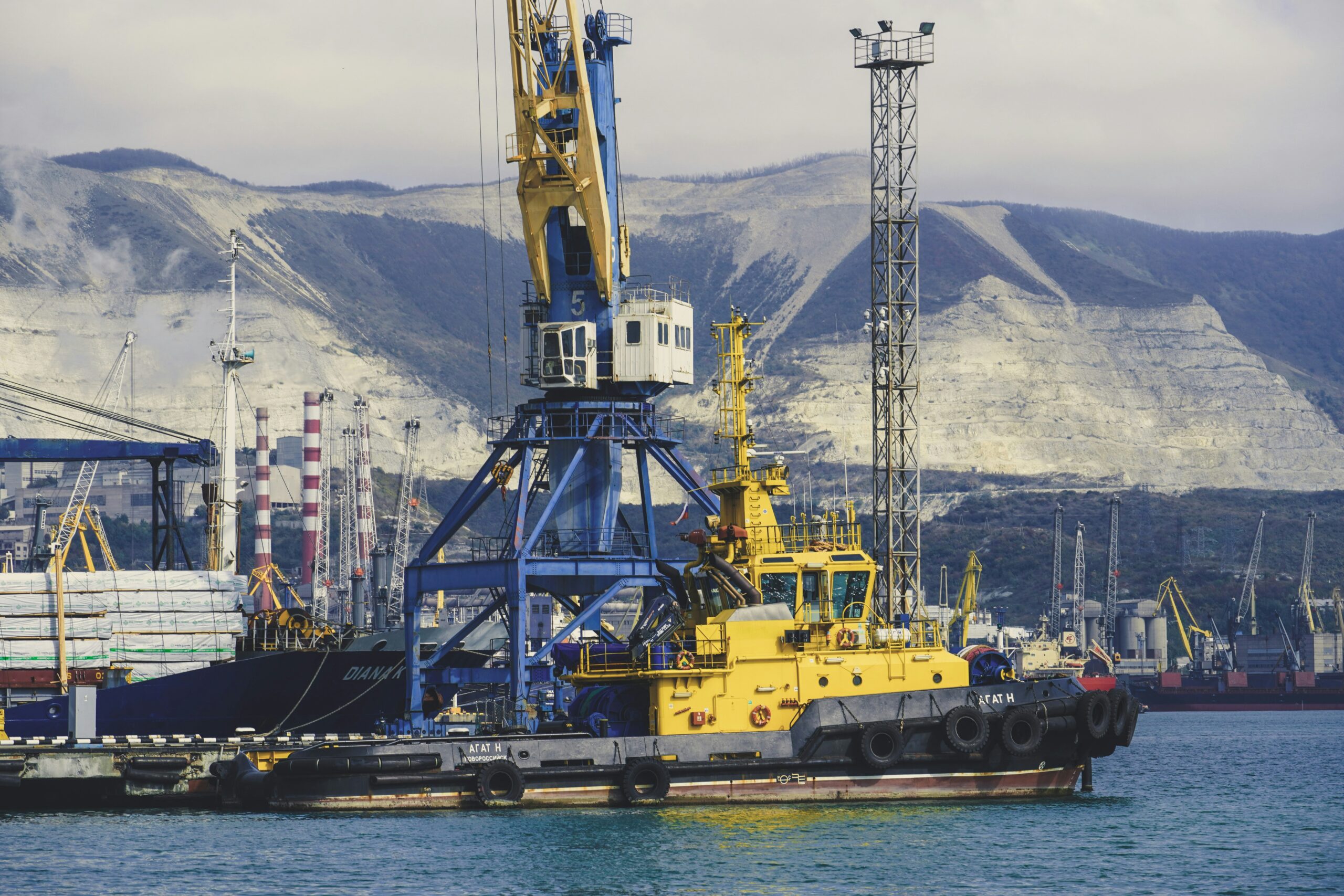
The world of marine construction is one of the most challenging and dynamic areas of engineering. Working in aquatic environments requires a unique blend of structural ingenuity, environmental understanding, and logistical precision. From offshore oil platforms to coastal bridges and sea walls, marine engineers face a constant battle against the elements. Extreme environments, whether frigid polar waters, storm-prone tropical zones, or deep offshore sites, amplify these challenges, demanding innovation, meticulous planning, and robust execution. The stakes are high: projects must withstand corrosive saltwater, violent waves, shifting seabeds, and intense weather conditions while maintaining safety and structural integrity.
Marine construction projects are critical for global commerce, energy production, and infrastructure development. Ports and harbors facilitate the movement of goods, offshore platforms extract energy resources, and coastal defenses protect communities from flooding and erosion. However, operating in such unforgiving environments requires more than traditional construction methods. Specialized materials, advanced engineering techniques, and adaptive project management strategies are essential for ensuring both durability and functionality. Understanding the interplay between natural forces and human-made structures is at the heart of successful marine construction.
Designing for Harsh Weather Conditions
One of the primary considerations in extreme marine environments is weather. High winds, heavy storms, and unpredictable tidal patterns present constant threats to construction activities. Engineers must account for these variables in every phase of a project, from initial design to final implementation. By modeling environmental forces such as wave impact, ice loading, and current flows, engineers can predict how structures will perform under severe conditions. This proactive approach is essential for ensuring that projects remain safe and operational even when nature tests their limits.
Construction schedules are also heavily influenced by weather patterns. Seasonal variations, storm frequencies, and climate trends dictate when and how work can be performed. For instance, offshore projects in Arctic regions are often restricted to short summer windows when ice levels are at their lowest. Similarly, coastal projects in hurricane-prone areas must be timed carefully to avoid peak storm seasons. By integrating weather data into project planning, marine engineers can reduce risks, minimize delays, and maintain budget control while ensuring worker and equipment safety.
Material Selection and Corrosion Resistance
Material choice is another critical factor in extreme marine construction. Saltwater, high humidity, and temperature fluctuations can cause rapid deterioration of conventional construction materials. Engineers must select corrosion-resistant alloys, concrete mixtures with specialized additives, and protective coatings to ensure longevity. Steel components, for example, often require galvanization or epoxy coatings to resist rusting, while concrete structures may be reinforced with corrosion inhibitors to prevent cracking and degradation. The durability of these materials directly affects both maintenance costs and the project’s operational lifespan.
Innovative composite materials and high-performance polymers are increasingly being used in marine construction to withstand harsh conditions. These materials offer a combination of strength, flexibility, and resistance to chemical and biological attack. For example, fiber-reinforced plastics can provide structural support while resisting corrosion from saltwater and marine organisms. Using such materials not only enhances the structure’s resilience but also reduces long-term maintenance and repair needs, which is especially important in remote or difficult-to-access locations.
Deep Water and Offshore Engineering Challenges
Constructing structures in deep water presents unique engineering obstacles. Unlike coastal projects, offshore projects must contend with significant water depths, strong currents, and limited access for construction equipment. Foundations must be anchored securely to the seabed, often requiring advanced techniques such as pile driving, suction caissons, or floating platforms. These methods must ensure that structures remain stable under dynamic ocean forces and shifting sediments. Properly assessing the underwater geology is critical to prevent settlement, tilting, or catastrophic failure.
Marine engineers also face logistical challenges in deep-water projects. Transporting heavy equipment, managing worker safety, and coordinating construction sequences are more complex when working offshore. Floating cranes, barges, and specialized vessels are often required to handle large components, while divers and remotely operated vehicles may conduct underwater inspections. These efforts require precise coordination and contingency planning, as unexpected conditions such as rough seas or underwater obstacles can disrupt operations and cause delays.
Safety Protocols and Risk Management
Safety is paramount in extreme marine construction. The inherent hazards of working on and under the water, combined with the unpredictable nature of the environment, demand rigorous safety protocols. Workers face risks from heavy machinery, confined spaces, strong currents, and falling objects. To mitigate these dangers, construction teams implement comprehensive training programs, strict operational guidelines, and emergency response procedures. Safety is not just about protecting personnel but also ensuring that projects can continue without interruption from accidents or environmental damage.
Risk management in marine construction also extends to structural integrity and environmental impact. Engineers conduct regular inspections, stress testing, and monitoring to detect potential weaknesses before they lead to failure. Environmental considerations, such as protecting marine ecosystems and preventing pollution, are increasingly integrated into project planning. By balancing safety and sustainability, marine construction projects can achieve operational success while minimizing harm to people, structures, and natural habitats.
Innovations in Marine Construction Technology
Technological advancements are transforming marine construction in extreme environments. Digital modeling, simulation software, and real-time monitoring systems enable engineers to predict structural behavior under a wide range of conditions. Drones and autonomous underwater vehicles provide critical data on construction sites, seabed conditions, and environmental changes. These tools enhance accuracy, reduce human exposure to risk, and streamline project timelines.
Automation and robotics are also playing an increasingly important role in marine construction. Robotic systems can handle repetitive or hazardous tasks, such as welding, inspection, and material placement, reducing the need for human intervention in hazardous areas. Furthermore, 3D printing technologies are being explored for creating custom components on-site, offering faster construction times and the ability to adapt designs to specific environmental constraints. These innovations continue to expand the possibilities of marine engineering in challenging conditions.
Environmental Considerations and Sustainability
Sustainable practices are becoming increasingly important in marine construction. Extreme environments are often ecologically sensitive, and construction activities can have lasting impacts on marine life and water quality. Engineers must design projects that minimize disruption, incorporate environmentally friendly materials, and comply with strict regulations. Techniques such as sediment control, noise reduction, and careful waste management are critical for reducing the environmental footprint of marine projects.
Long-term sustainability also involves designing structures that can withstand the effects of climate change, such as rising sea levels and increased storm intensity. Adaptable designs, resilient materials, and proactive maintenance strategies ensure that structures remain safe and functional over decades. By prioritizing environmental responsibility, marine engineers contribute not only to human infrastructure but also to the preservation of delicate marine ecosystems.