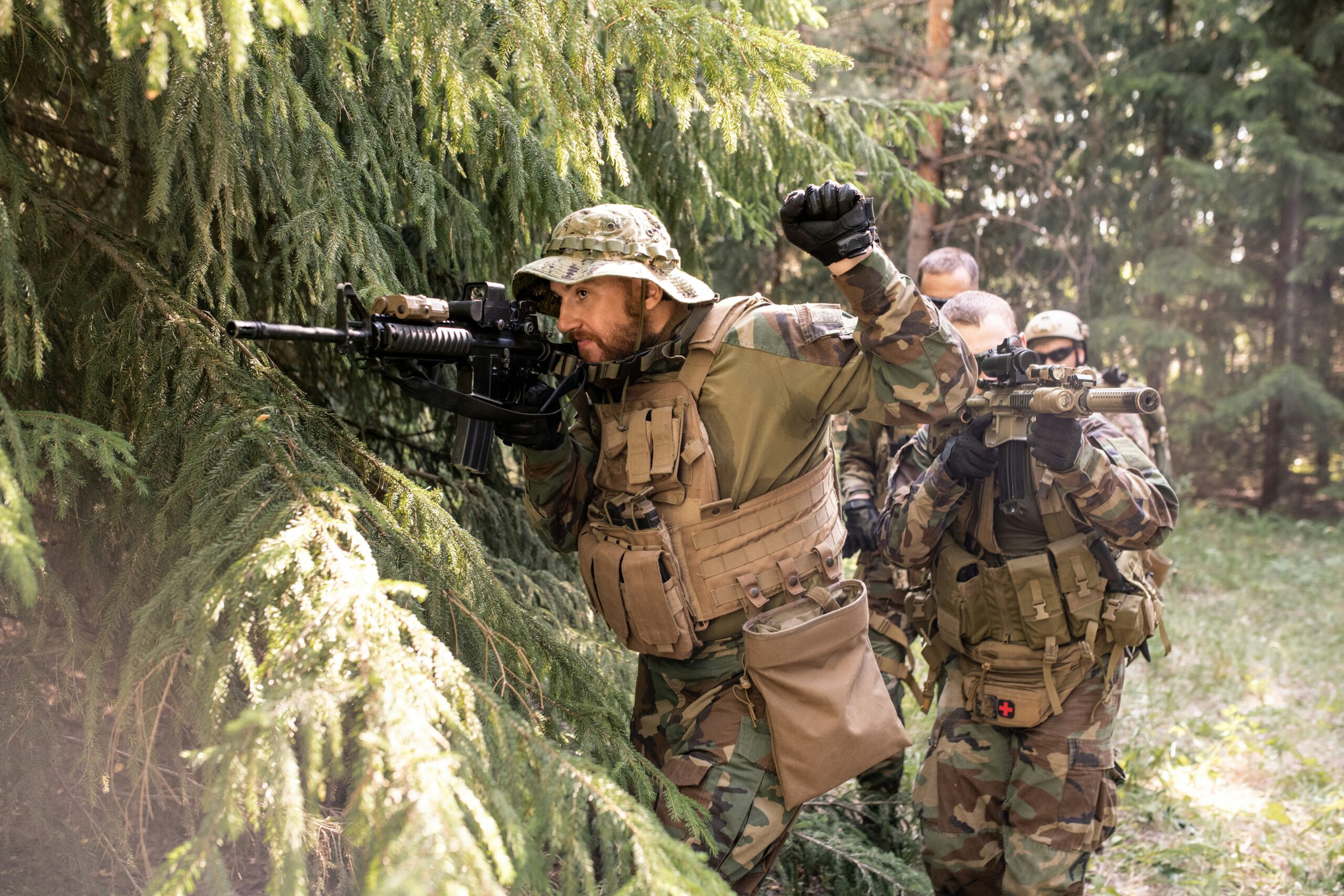
Strong leadership does not happen by chance. Instead, it grows through discipline, clear communication, smart planning, and the ability to inspire others during difficult moments. Military leaders develop these qualities under intense pressure, yet their lessons reach far beyond the battlefield. Today, companies of every size look to proven leadership principles because they need confident decision-makers who can guide teams through uncertainty.
The connection between military leadership and business success continues to grow stronger as organizations face rapid change, economic shifts, and fierce competition. Leaders who remain calm, communicate clearly, and adapt quickly often outperform those who rely only on technical knowledge. As a result, many executives study military leadership to improve workplace culture, increase performance, and build resilient organizations that thrive during both success and adversity.
Leadership Starts with Purpose
Every successful mission begins with a clear objective. Military commanders never send people into action without explaining the goal, the reason behind it, and the expected outcome. Likewise, successful businesses perform better when employees understand the company’s vision and know how their work supports larger goals. Purpose creates direction, while direction builds confidence throughout the organization.
Moreover, employees become more engaged when they see meaning in their daily responsibilities. Rather than simply completing tasks, they contribute to something larger than themselves. Consequently, leaders who consistently communicate purpose create stronger teams, higher motivation, and greater commitment across every department.
Discipline Creates Consistency
Military organizations depend on discipline because consistent actions produce dependable results. Discipline does not mean controlling every decision. Instead, it means developing habits that support excellence, accountability, and continuous improvement. Businesses benefit from this same mindset because reliable processes reduce mistakes and improve efficiency.
Furthermore, disciplined leaders establish standards that everyone understands. They arrive prepared, follow through on commitments, and expect the same from their teams. Over time, these consistent behaviors build trust throughout the organization. Employees know what to expect, customers receive dependable service, and leaders create an environment where performance continues to improve.
Decisive Action During Uncertainty
Business leaders rarely enjoy perfect information before making important decisions. Markets change quickly, customer expectations evolve, and unexpected challenges appear without warning. Military commanders understand this reality because they often make critical choices under intense pressure. Instead of waiting for certainty, they gather available information, assess risks, and move forward with confidence.
At the same time, effective leaders remain flexible after making decisions. They monitor results, collect feedback, and adjust strategies when conditions change. Therefore, decisive leadership combines confidence with adaptability. Organizations that embrace this balance respond faster to challenges while maintaining steady progress toward long-term goals.
Building Trust Across Every Team
Trust forms the foundation of every successful military unit. Soldiers rely on one another because teamwork often determines success. Similarly, businesses thrive when employees trust their leaders and colleagues. Without trust, communication weakens, collaboration declines, and productivity suffers.
Leaders earn trust through honesty, consistency, and respect. They keep promises, admit mistakes, and treat everyone fairly. Additionally, they encourage open conversations that allow employees to share concerns without fear. As trust grows, teams solve problems faster, support one another more effectively, and create stronger workplace relationships that improve overall performance.
Communication Wins Every Mission
Military commanders understand that unclear communication creates confusion, delays, and unnecessary risks. Therefore, they deliver instructions in simple language, confirm understanding, and encourage questions whenever needed. Businesses achieve similar benefits when leaders communicate clearly with employees, customers, and partners.
Equally important, communication involves listening as much as speaking. Strong leaders pay close attention to feedback because valuable ideas often come from people closest to daily operations. Consequently, organizations that encourage two-way communication discover problems earlier, improve decision-making, and strengthen employee engagement throughout every level of the business.
Adaptability Drives Long-Term Success
No battle unfolds exactly as planned, and business rarely follows a perfect strategy either. Military leaders prepare carefully, yet they remain ready to adjust whenever circumstances change. This ability to adapt allows organizations to survive unexpected challenges while continuing to pursue their objectives.
Likewise, businesses that embrace flexibility respond more effectively to changing markets, new technologies, and shifting customer expectations. Rather than resisting change, adaptable leaders encourage learning and innovation. As a result, employees become more comfortable with new ideas, and organizations position themselves for sustainable growth in competitive industries.
Accountability Strengthens Leadership
Military leadership places great importance on personal responsibility. Commanders accept responsibility for outcomes, whether missions succeed or fail. This attitude builds credibility because leaders focus on solving problems rather than assigning blame. Business leaders benefit greatly from adopting the same approach.
When leaders demonstrate accountability, employees often follow their example. Teams become more willing to own mistakes, learn from setbacks, and improve future performance. Additionally, accountability fosters a culture in which everyone contributes to shared success. Instead of avoiding responsibility, employees focus on finding practical solutions that move the organization forward.
Preparation Reduces Risk
Military operations require extensive planning before action begins. Leaders evaluate resources, identify potential obstacles, and prepare multiple responses for changing situations. Businesses also reduce uncertainty through careful preparation, strategic planning, and realistic risk management.
However, preparation does not eliminate every challenge. Instead, it gives leaders confidence because they have considered different possibilities before problems arise. Consequently, organizations recover more quickly from setbacks and maintain stronger performance during periods of uncertainty. Preparation transforms unexpected obstacles into manageable situations rather than overwhelming crises.
Developing Future Leaders
Strong military organizations invest heavily in leadership development because experienced commanders understand the importance of preparing future generations. Likewise, businesses create lasting success when they identify potential leaders early and provide opportunities for growth through mentoring, training, and practical experience.
Furthermore, leadership development strengthens employee retention. People appreciate organizations that invest in their professional growth and encourage advancement. As emerging leaders gain confidence, they contribute fresh perspectives while preserving the organization’s core values. This continuous development ensures stability even as experienced leaders retire or move into new positions.
Resilience During Difficult Times
Every organization experiences setbacks, whether caused by economic changes, industry disruption, or unexpected crises. Military leaders understand that resilience involves more than enduring hardship. Instead, resilience requires maintaining focus, supporting others, and continuing to move forward despite obstacles.
Business leaders who demonstrate resilience inspire confidence throughout their organizations. They acknowledge challenges honestly while emphasizing realistic solutions and future opportunities. Meanwhile, employees remain motivated because they see leaders respond with determination rather than panic. This positive example encourages teams to overcome adversity together and emerge stronger after difficult periods.
Ethical Leadership Builds Lasting Success
Military leaders understand that integrity influences every decision they make. Ethical leadership strengthens relationships, protects organizational reputation, and reinforces trust among team members. Businesses experience similar benefits because customers, employees, and investors value honesty and responsible decision-making.
Ethical leaders establish standards that guide everyday actions. They make decisions based on values rather than short-term gains. Consequently, organizations build stronger reputations, attract loyal customers, and create workplace cultures where people feel respected and appreciated. Long-term success often begins with consistent ethical leadership.