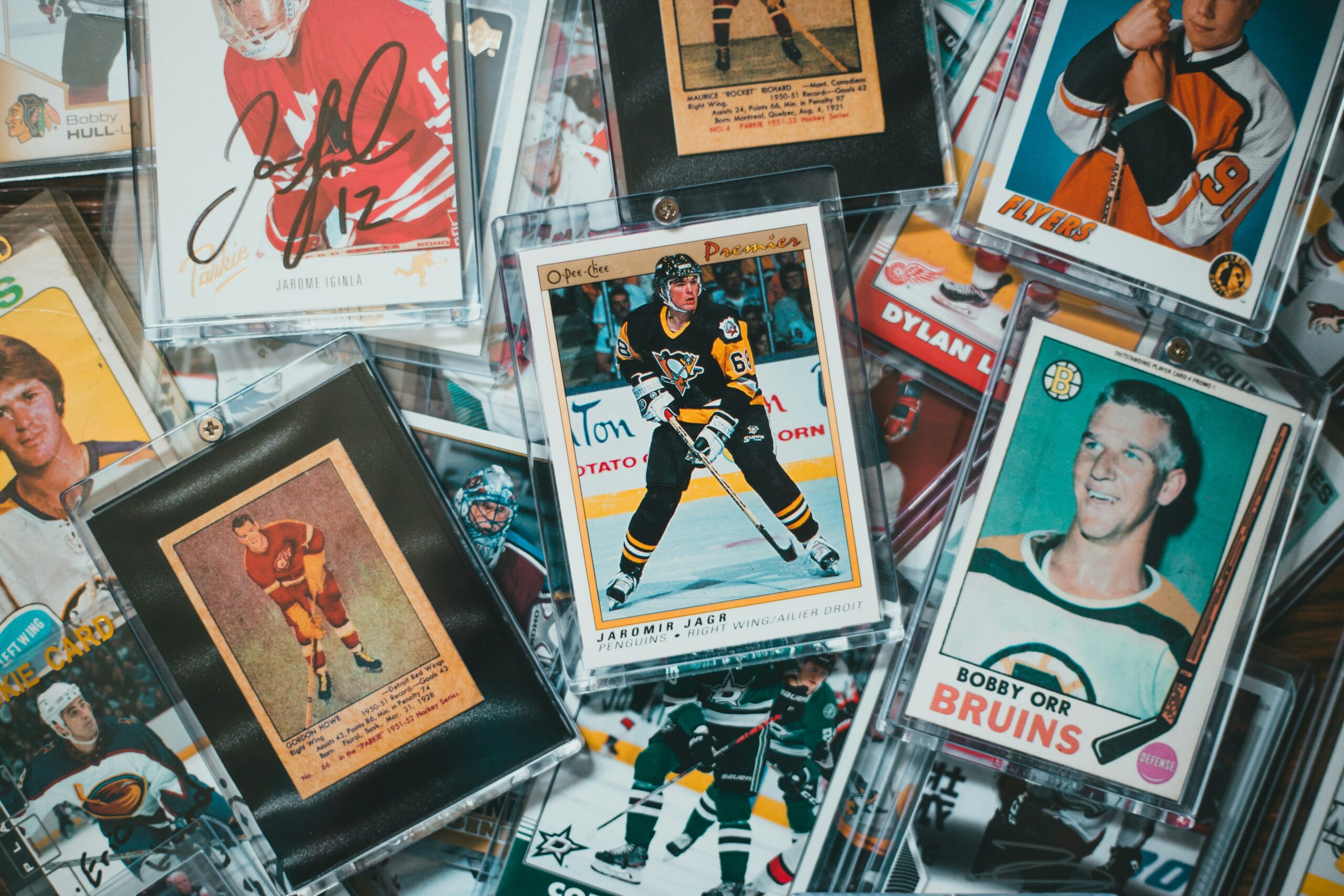
Sports card collecting has grown from a childhood hobby into a respected investment category. Many collectors now seek cards that hold both personal meaning and long-term value. However, building a strong collection takes more than luck. It requires knowledge, patience, and a clear strategy.
A successful, valuable sports card collection does not happen overnight. Instead, it grows through careful research, smart buying decisions, and consistent learning. Moreover, collectors who understand the market often make better choices than those who chase short-term trends. This guide explains the key principles that help create a collection with lasting appeal.
Define Your Goals Before You Build a Valuable Sports Card Collection
Every collector should begin with a clear purpose. Some people collect favorite athletes, while others focus on investment potential. Others enjoy completing full sets or preserving sports history. Your objective should guide every purchase.
A defined strategy also prevents emotional spending. It also helps you avoid buying cards simply because they are popular online. Instead, focus on cards that fit your collection goals. As a result, your collection becomes more consistent and valuable over time.
Learn the Sports Card Market Before Buying
Knowledge creates better buying opportunities. Before spending money, study how the sports card market works. Learn about rookie cards, parallels, inserts, serial-numbered editions, and autograph cards. Each category has different value drivers.
In addition, follow auction results and price history. Compare sales across trusted marketplaces instead of relying on asking prices. As a result, you will recognize fair values and identify opportunities before other buyers.
Understanding supply and demand also matters. Limited print runs often attract stronger interest. However, demand ultimately determines long-term value. Therefore, scarcity alone does not guarantee appreciation.
Focus on High-Quality Rookie Cards
Many experienced collectors consider rookie cards the foundation of a strong collection. These cards often receive the greatest attention from investors and long-term collectors. Therefore, they usually experience stronger demand than later career releases.
However, not every rookie card performs equally. Look for established brands, licensed products, and desirable card designs. Moreover, research the player’s career potential instead of reacting to temporary excitement.
Elite athletes with consistent performance often provide greater stability. Meanwhile, promising young players offer higher growth potential but also greater risk. Balancing both approaches creates a healthier portfolio.
Buy Graded Sports Cards When Appropriate
Professional grading increases buyer confidence by verifying authenticity and condition. Companies like PSA, Beckett, and SGC evaluate cards using standardized grading systems. Consequently, graded cards often sell more easily than raw examples.
Nevertheless, grading does not guarantee profit. Low-value cards rarely justify grading costs. Instead, reserve grading for cards with significant market demand or exceptional condition.
Additionally, inspect population reports before purchasing. A high grade loses some exclusivity when thousands of identical copies exist. Therefore, rarity should complement grade quality whenever possible.
Prioritize Card Condition and Proper Storage
Condition remains one of the strongest value factors. Even rare cards lose value when they show damage, scratches, or poor centering. Therefore, careful handling should become a daily habit.
Use penny sleeves and rigid top loaders immediately after opening valuable cards. Furthermore, store premium cards in magnetic holders or graded slabs for additional protection. Keep your collection in a cool, dry environment with stable humidity.
Avoid excessive handling whenever possible. Likewise, keep cards away from direct sunlight to prevent fading. Small preservation efforts today can protect significant value later.
Research Player Performance and Career Trends
A valuable collection depends on informed player selection. Study statistics, consistency, leadership qualities, and career milestones before investing heavily. Strong performance usually supports long-term collector interest.
Additionally, consider age and career stage. Young stars offer growth opportunities. However, established legends often provide greater market stability. Therefore, many experienced collectors combine both categories.
Hall of Fame potential also influences future demand. Moreover, championships, awards, and historic achievements frequently strengthen long-term market value.
Diversify Your Sports Card Collection
Diversification reduces overall risk. Rather than buying only one player, spread investments across multiple athletes, teams, and sports. This approach creates balance when market trends change.
For example, combine modern stars with legendary players. Also, include different card types, such as rookie cards, autographs, relics, and limited parallels. As a result, your collection gains broader appeal.
Furthermore, diversify across different manufacturers and release years. A varied collection often performs better during changing market cycles.
Buy From Trusted Sources
Purchase cards only from reputable dealers, auction houses, and established marketplaces. Trusted sellers reduce the risk of counterfeit cards or inaccurate descriptions. Therefore, always verify seller reputation before completing a transaction.
Moreover, request detailed photographs for expensive purchases. Review corners, edges, centering, and surface quality carefully. If something appears questionable, walk away. Patience often leads to better opportunities.
Attending respected card shows also provides valuable networking opportunities. You can inspect cards personally and build relationships with experienced collectors.
Keep Records and Track Collection Value
Organization supports long-term success. Maintain detailed records of purchase dates, prices, grading information, and storage locations. Good documentation simplifies insurance, resale, and tax reporting when necessary.
Additionally, monitor current market values regularly. Price guides, completed auctions, and specialized tracking software provide helpful insights. As a result, you will recognize market changes before making future purchases.
Digital inventory systems also reduce confusion. They allow collectors to evaluate strengths, identify gaps, and plan future acquisitions more effectively.
Stay Patient and Think Long Term
Successful collecting rewards discipline rather than speed. Market excitement often creates temporary price spikes that rarely last forever. Therefore, avoid making impulsive purchases based solely on social media trends.
Instead, concentrate on quality, scarcity, and long-term demand. Over time, carefully selected cards often outperform random purchases. Moreover, patient collectors usually make better financial decisions because they rely on research instead of emotion.
Building lasting value also requires continuous education. The sports card market evolves constantly, and informed collectors adapt accordingly.
Continue Learning as the Hobby Evolves
The hobby changes every year. Manufacturers introduce new products, grading companies update standards, and collector preferences continue to shift. Therefore, lifelong learning remains essential.
Read hobby publications, watch educational content, and participate in collector communities. Additionally, attend card shows whenever possible. These experiences provide insights that online research alone cannot replace.
Experienced collectors also benefit from sharing knowledge. Conversations with respected dealers and longtime hobbyists often reveal valuable lessons that books never cover.
Build a Valuable Sports Card Collection With Purpose
A successful valuable sports card collection reflects careful planning rather than random purchases. Strong collections combine quality, condition, research, and patience. Moreover, they balance personal enjoyment with long-term financial thinking.
The best collectors understand that value develops over time. They focus on proven principles instead of temporary hype. By researching players, protecting card condition, diversifying wisely, and following market trends, you can create a collection that delivers lasting satisfaction and meaningful value for years to come.