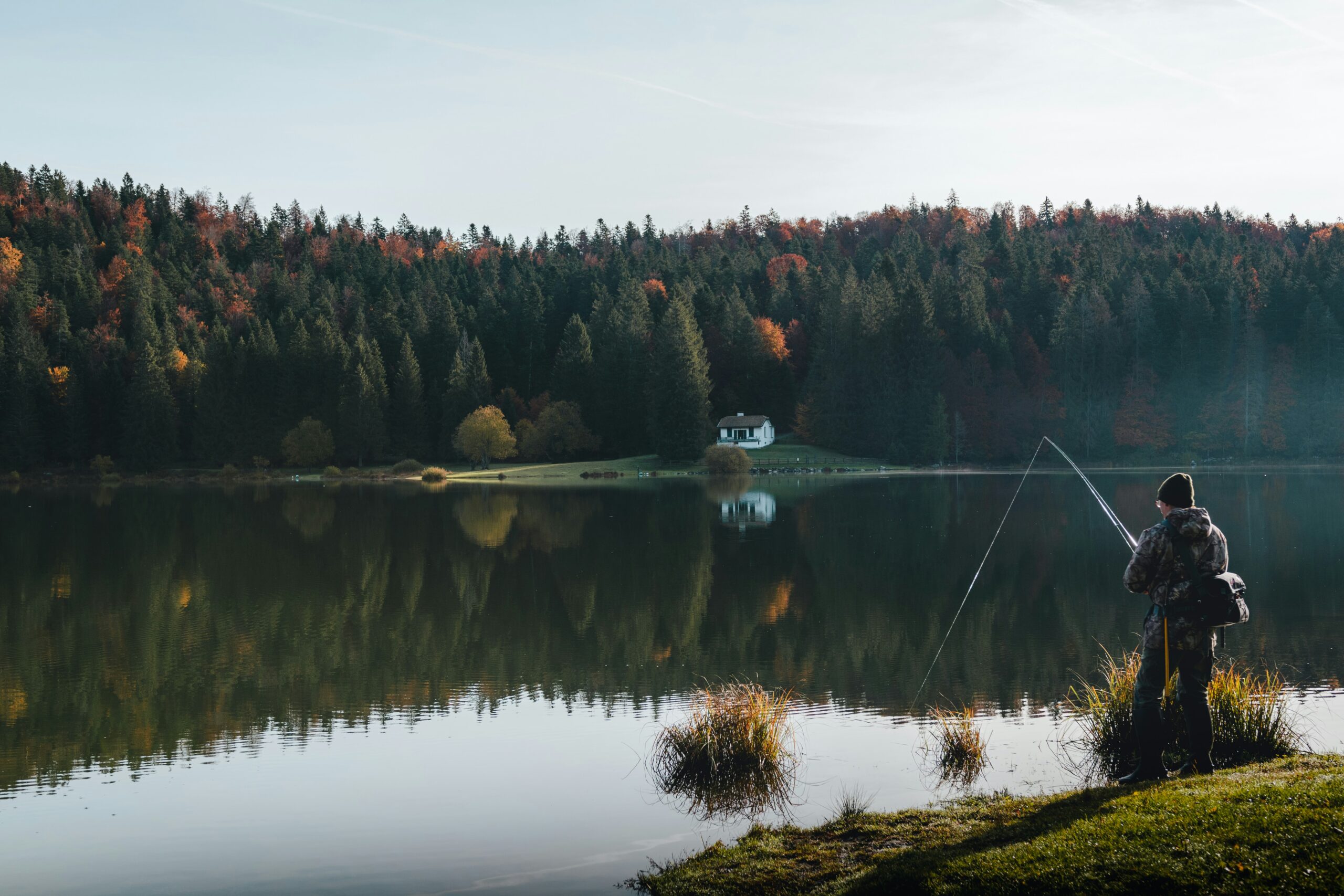
Outdoor adventures offer a powerful way to escape busy routines, reconnect with nature, and create lasting memories. Among the many activities available, hunting and fishing provide especially rewarding experiences because they combine skill, patience, preparation, and exploration. Whether you prefer tracking game through a quiet forest or waiting beside a peaceful river, these activities encourage you to slow down and appreciate the natural world. Moreover, they challenge both your physical abilities and your decision-making skills.
Hunting and fishing also appeal to people with different experience levels. Beginners can start with basic equipment and learn gradually, while experienced outdoor enthusiasts can continue developing advanced techniques. However, a successful outdoor adventure requires more than enthusiasm. You need proper planning, knowledge of local regulations, suitable equipment, and respect for wildlife. Therefore, understanding the fundamentals can help you enjoy every outdoor trip safely and responsibly.
Preparing for Your Outdoor Adventure
Good preparation often determines whether an outdoor trip becomes enjoyable or stressful. First, research your destination and learn about its terrain, weather patterns, wildlife, water conditions, and seasonal opportunities. Additionally, check local hunting and fishing regulations before you leave because rules can vary significantly by location. Licenses, permits, seasonal restrictions, bag limits, and equipment requirements can all affect your plans. By preparing ahead, you can avoid unnecessary problems and focus more fully on the adventure.
Equally important, create a practical packing plan based on the environment and length of your trip. Hunters may need appropriate clothing, navigation tools, binoculars, permitted firearms or archery equipment, game-processing supplies, and safety gear. Meanwhile, anglers should consider rods, reels, lines, hooks, bait or lures, tackle storage, and weather-resistant clothing. Furthermore, every outdoor enthusiast should carry essentials such as water, food, a first-aid kit, a flashlight, a communication device, and navigation equipment. As a result, careful preparation can provide greater confidence when conditions change unexpectedly.
Exploring the Art of Hunting
Hunting requires patience, awareness, and an understanding of animal behavior. Before entering the field, hunters should study the species they intend to pursue and learn how weather, food sources, terrain, and seasonal changes influence movement. Additionally, learning to recognize tracks, droppings, feeding areas, and other signs can improve your ability to understand the environment. Rather than rushing through the landscape, successful hunters often move carefully and observe their surroundings closely.
Ethical hunting also places responsibility at the center of the experience. Hunters should follow all applicable laws, respect private property, and make every reasonable effort to achieve clean and responsible harvests. Moreover, responsible hunters respect wildlife populations and understand the importance of conservation. Many hunting traditions connect directly with habitat management and wildlife preservation because regulated hunting can contribute to broader conservation programs. Therefore, responsible participation means treating the land, animals, and other outdoor users with respect.
Discovering the Rewards of Fishing
Fishing provides a different but equally engaging outdoor experience. Instead of tracking animals across changing terrain, anglers often spend long periods observing water, weather, and fish behavior. First, choose equipment that matches the species and environment you plan to fish. A lightweight setup may work well for smaller freshwater species, while larger fish may require stronger rods, reels, and lines. Likewise, selecting appropriate bait or lures can improve your chances of attracting fish.
Patience remains one of the most valuable qualities an angler can develop. Sometimes fish respond quickly, while other days require hours of careful observation and adjustment. Therefore, anglers should remain flexible and experiment with casting locations, depths, retrieval speeds, and lure choices when conditions change. In addition, fishing offers an opportunity to appreciate the surrounding environment even when the fish are not biting. A quiet morning on a lake or a peaceful afternoon beside a river can provide relaxation, reflection, and a welcome break from everyday responsibilities.
Choosing the Right Gear
The right gear can make an outdoor adventure more comfortable, efficient, and safe. However, buying the most expensive equipment does not automatically guarantee a better experience. Instead, choose equipment based on your skill level, destination, activity, and expected conditions. For example, hunters should prioritize reliable clothing, footwear, optics, navigation equipment, and legally permitted hunting tools. Similarly, anglers should select rods, reels, tackle, and accessories that suit their target species and fishing environment.
Quality clothing also plays an important role because outdoor conditions can change rapidly. Layering allows you to adjust to temperature changes, while waterproof outerwear can protect you from rain or wet conditions. Furthermore, sturdy footwear can improve comfort and stability when traveling across uneven terrain. You should also maintain your equipment regularly because damaged or neglected gear can create unnecessary difficulties in the field. Ultimately, practical and dependable equipment supports the adventure without becoming the focus of it.
Staying Safe in the Wild
Safety should always remain a priority during hunting and fishing adventures. Before leaving, tell someone where you plan to go and when you expect to return. Additionally, check weather forecasts and understand the risks associated with storms, extreme temperatures, strong currents, steep terrain, and remote locations. Carrying sufficient water and food can also become critical during longer trips. Therefore, preparation should include realistic planning for unexpected delays.
Hunters should maintain strict firearm and equipment safety practices, while anglers should remain aware of slippery surfaces, deep water, changing currents, and boat-related hazards. Moreover, everyone should understand basic first aid and know how to contact emergency services when necessary. Navigation tools can also prevent small mistakes from becoming serious problems, particularly in unfamiliar areas. By combining awareness, preparation, and responsible decision-making, outdoor enthusiasts can reduce risks while enjoying their surroundings.
Respecting Nature and Wildlife
Outdoor recreation becomes more meaningful when participants protect the environments they enjoy. Always follow the principle of leaving natural areas as clean as you found them, and pack out trash, fishing line, food containers, and other waste. Additionally, avoid damaging vegetation, disturbing nesting areas, or unnecessarily approaching wildlife. These simple actions help preserve natural spaces for future visitors and protect wildlife habitats.
Conservation also requires a broader commitment. Whenever possible, support organizations and programs that protect forests, wetlands, rivers, lakes, and wildlife populations. Furthermore, follow catch-and-release practices where appropriate and respect harvest regulations when hunting or keeping fish. Responsible outdoor enthusiasts understand that access to nature comes with responsibilities. Consequently, protecting natural resources today helps ensure that future generations can experience the same excitement and beauty.