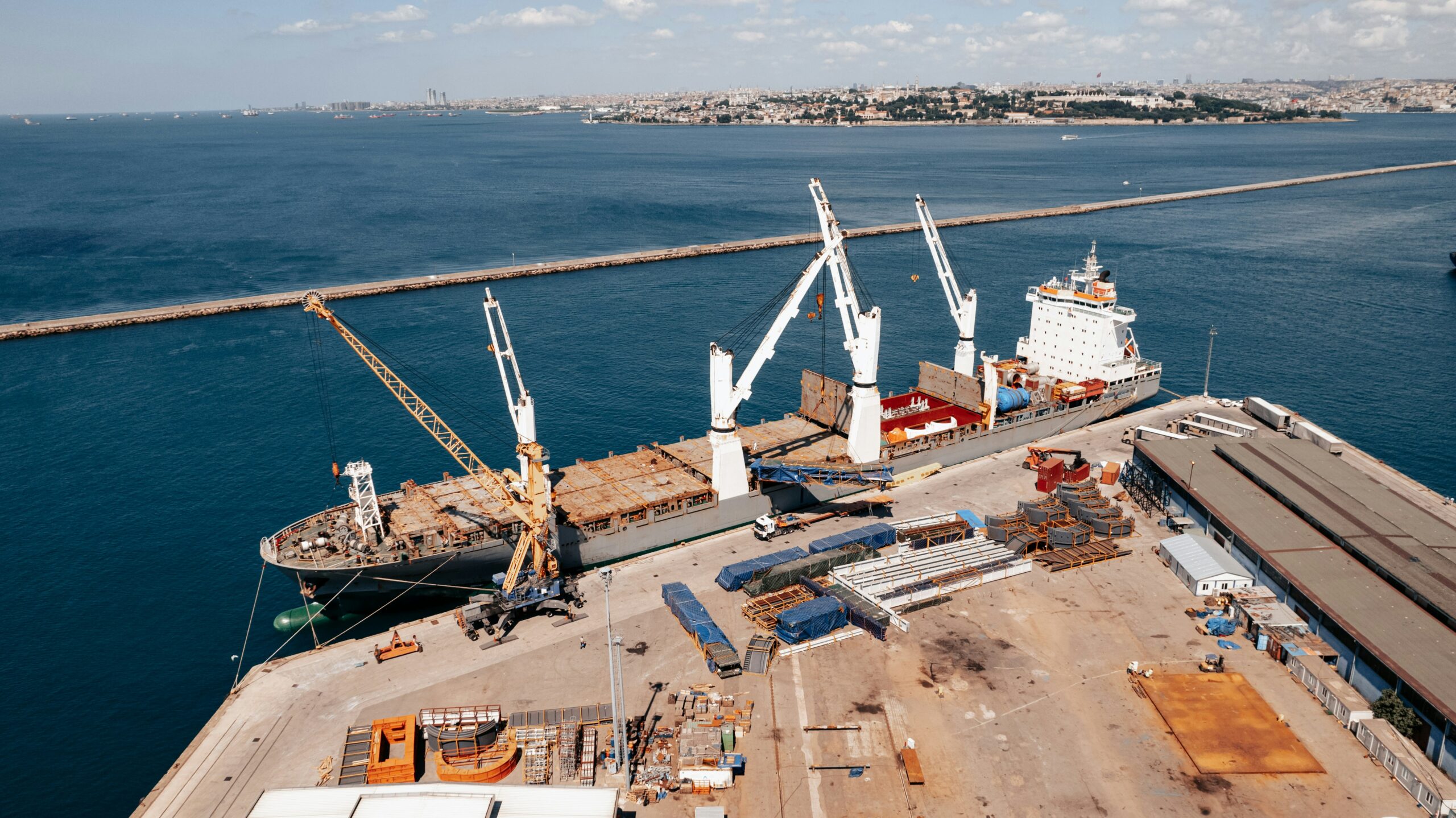
Marine construction faces extreme challenges when harsh ocean environments test the strength, durability, and precision of every offshore structure. Engineers use advanced techniques, modern materials, and innovative strategies to ensure that marine construction projects withstand strong waves, deep-water pressures, unpredictable storms, and constant environmental stress. As demand grows for offshore energy, coastal protection, and global infrastructure expansion, marine construction continues to evolve with solutions designed to perform under the most challenging conditions.
Engineering Foundations in Unstable Seafloors
Building stable foundations in the open ocean requires careful planning because soft sediments and shifting seafloors create constant pressure on support systems. Engineers rely on soil assessments to determine the appropriate placement methods for piles, anchors, and support frames. These assessments guide decisions about the depth and type of foundation needed to keep structures secure. By controlling the interaction between the seafloor and each element, teams maintain long-term strength in locations where erosion and underwater movement challenge every decision.
Innovative approaches like suction caissons and drilled shafts help crews secure platforms even in deep water. These techniques work well because they manage ocean forces that shift unpredictably throughout the year. Construction teams monitor pressure levels, sediment behavior, and hydrodynamic movement as work progresses, which allows them to adjust strategies and prevent weaknesses before they develop. As a result, marine construction projects achieve stability even in high-risk regions.
Corrosion Protection Strategies for Saltwater Exposure
Saltwater creates constant threats because it accelerates corrosion on metal surfaces, weakens structural elements, and affects long-term performance. To solve this problem, engineers add protective coatings designed to resist chemical reactions from salt, oxygen, and moisture. These coatings extend the lifespan of support beams, platforms, and deep-water installations. By using reinforced polymers and advanced sealants, teams deliver structural reliability that withstands daily exposure in harsh ocean environments.
Cathodic protection systems also help keep structures strong by redirecting corrosion activity away from essential components. These systems work through sacrificial metals or controlled electrical currents that guard against natural decay. As the ocean changes with temperature shifts and storm cycles, constant monitoring helps maintain the effectiveness of these systems. With these strategies in place, marine construction teams ensure the durability of offshore infrastructure.
Weather-Resistant Materials for Ocean Engineering
Choosing the right materials determines how well an offshore structure performs when winds strengthen and waves grow large. Engineers often use high-performance concrete because it resists cracking and withstands the pressure from constant wave impact. This concrete maintains strength even when harsh weather conditions create rapid changes in moisture and temperature. Steel alloys designed for offshore use provide added durability, offering marine construction projects a reliable balance of strength and flexibility.
Composite materials are also becoming more common in ocean engineering. Their lightweight design reduces stress on foundation systems, while their corrosion resistance minimizes maintenance needs. As storms intensify across many coastal regions, demand for weather-resistant materials continues to grow. These choices help marine construction teams build strong, sustainable structures that perform well during extreme environmental events.
Offshore Equipment and Robotic Assistance
Modern offshore equipment plays a significant role in how fast and safely a marine construction project moves from planning to completion. Heavy-duty cranes, dynamic positioning vessels, and advanced lifting systems allow crews to work efficiently even when waves create unpredictable motion. These tools help stabilize operations, keeping projects on schedule and improving overall accuracy during installation. With better control, teams reduce risk and maintain high safety standards throughout the process.
Robotic systems now support underwater tasks that were once dangerous for divers. Remote-operated vehicles inspect welds, remove debris, and help place materials at depths that challenge human endurance. Autonomous drones monitor weather changes, structural alignment, and worksite conditions in real time. This advanced technology improves efficiency, creates a safer work environment, and enhances the precision needed for marine construction in harsh ocean environments.
Structural Reinforcement for Extreme Wave Forces
Extreme waves place significant stress on offshore structures, making reinforcement essential. Engineers study wave patterns, tidal ranges, and storm history to predict how the ocean will behave in the future. This information guides the design of reinforced frames, flexible joints, and shock-absorbing elements. These features allow structures to bend without breaking, thereby improving their chances of surviving extreme weather events.
Hydrodynamic modeling supports this design process by showing how water forces move around a structure. When engineers understand these patterns, they can place reinforcements in the areas most likely to experience stress. This strategic placement creates balance and stability. As climate change intensifies storms, advanced reinforcement techniques help protect offshore infrastructure from long-term damage.
Deep-Water Construction Challenges and Solutions
Working in deep water changes the entire approach to marine construction because pressure increases with depth. Engineers rely on specialized methods to place foundations, guide heavy loads, and maintain alignment. Support vessels equipped with dynamic positioning systems maintain stability even as currents shift. These vessels help transport materials safely, reducing delays caused by rough conditions.
Diving becomes more difficult in deep water, so underwater habitats and pressurized chambers help protect divers when manual intervention is required. For many tasks, however, autonomous systems take over. With precise sensors and strong control technology, these systems handle installation tasks that demand accuracy. By combining human expertise with machine precision, marine construction projects reach greater depths with confidence.
Environmental Considerations in Offshore Projects
Marine construction always considers environmental impact because ocean ecosystems react quickly to disturbance. Engineers plan projects that avoid harm to aquatic life by monitoring migration routes, coral zones, and sensitive habitats. These considerations shape the design and placement of offshore infrastructure. When teams understand local conditions, they protect ecosystems while completing large projects.
Eco-friendly materials and low-impact installation methods also support better results. Noise reduction systems help prevent disruption during pile driving, while silt barriers reduce water contamination. These strategies help maintain ocean health and support long-term sustainability. As marine construction continues to expand, environmental responsibility remains a priority across the industry.
Innovations Shaping the Future of Marine Infrastructure
The future of marine construction continues to evolve with digital modeling and simulation. These tools improve accuracy by predicting how structures will behave in extreme conditions. With access to real-time data, engineers adjust their designs to enhance performance. This forward-thinking strategy supports projects that stay strong for decades.
Sustainable energy systems also influence modern offshore development. Wind farms, tidal turbines, and floating solar platforms depend on strong marine construction techniques. As demand for renewable energy increases, offshore infrastructure will expand even more. Advanced designs, safer building methods, and intelligent monitoring technology will guide the next generation of marine construction.