The eyewear industry has experienced a dramatic transformation over the last decade. What was once a niche market focused solely on vision correction has now evolved into a multibillion-dollar global business that blends healthcare, fashion, and cutting-edge technology. As consumer demand shifts and innovation accelerates, firms in this space must stay ahead of trends shaping the future of eye care.
People no longer wear glasses to see better; they wear them to express themselves, interact with digital devices, and even monitor their health. The intersection of lifestyle, tech, and medical needs is creating new opportunities for eyewear brands to redefine their value propositions. This article dives deep into the trends and technologies driving this ever-changing landscape.
Consumer-Driven Trends in Eyewear
Modern consumers expect more from their eyewear than just improved vision. Style, customization, and convenience now play a significant role in purchasing decisions. Eyewear has become a fashion accessory, and consumers are often willing to pay a premium for frames that match their personal aesthetics. As a result, brands that fuse design with functionality are thriving in today’s marketplace.
There’s also a growing preference for sustainable eyewear, as more consumers seek eco-friendly products. Companies are responding with frames made from biodegradable materials, recycled plastics, and renewable resources. These changes not only reduce environmental impact but also align with brand narratives that emphasize ethical production and corporate responsibility.
Eyewear Technology Redefining Vision
The most significant advancements in the industry are emerging from eyewear technology. From augmented reality to prescription lenses that adapt in real-time, innovation is reshaping how consumers interact with their glasses.
One standout innovation is the rise of smart glasses. Brands like Meta, Google, and Ray-Ban have introduced connected eyewear with features like audio control, live video capture, and real-time navigation. Although the mass adoption of smart glasses is still developing, their presence points to a future in which eyewear integrates seamlessly into daily digital experiences.
Adaptive lenses are another game-changer. These lenses adjust their tint based on lighting conditions or screen exposure, reducing eye strain and enhancing comfort. Technologies like blue-light filtering and anti-glare coatings are becoming standard offerings as screen time continues to rise.
Digital Eye Care and Teleoptometry
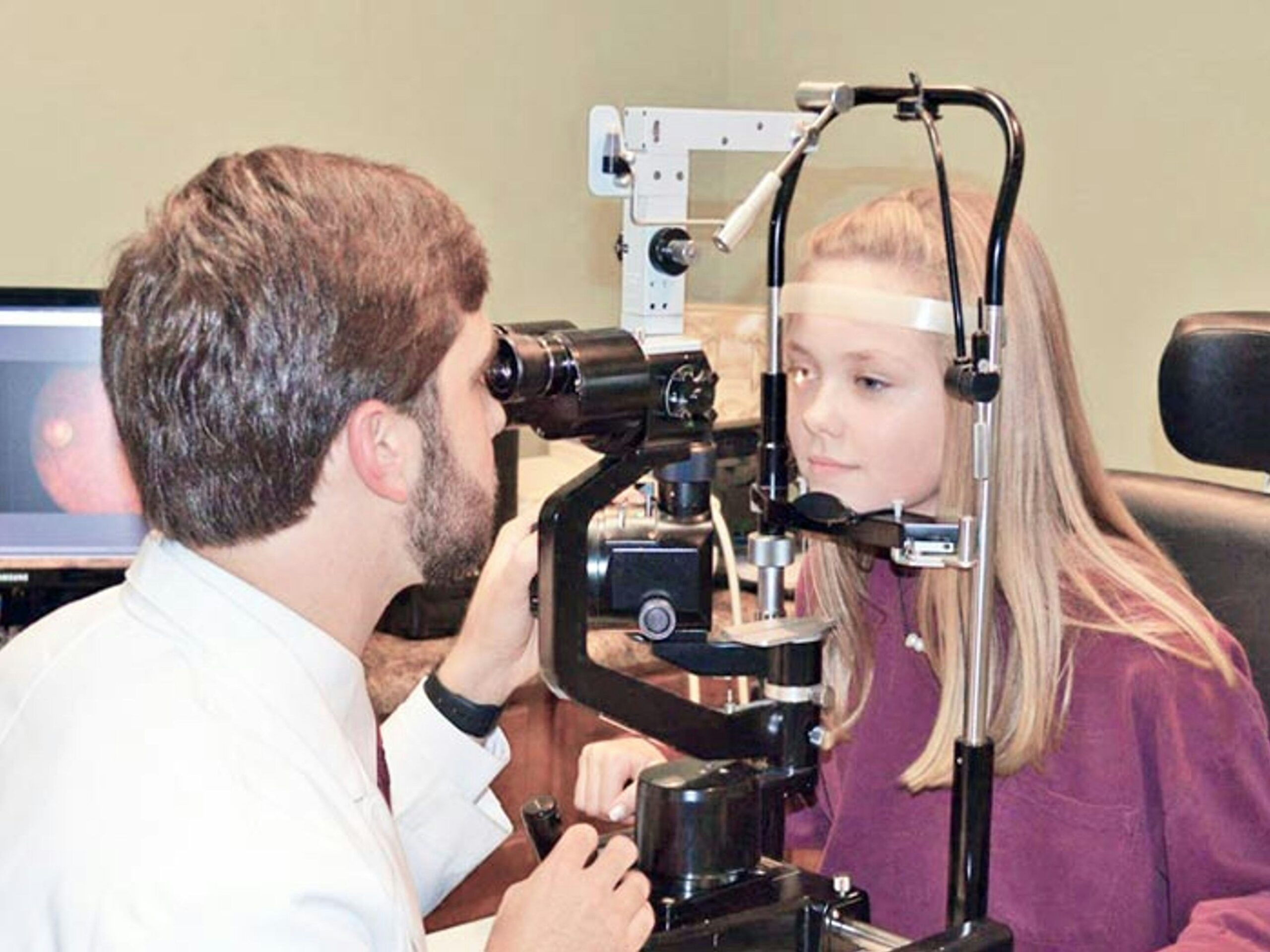
Technology isn’t just transforming eyewear; it’s revolutionizing how eye care services are delivered. With the growth of digital eye care, consumers can now receive comprehensive vision tests, consultations, and prescriptions from the comfort of their homes.
Teleoptometry platforms are leading this shift, providing virtual eye exams that use high-resolution cameras and AI to assess vision health. This trend gained traction during the COVID-19 pandemic and has since become a viable option for routine eye care, especially in underserved or remote regions.
AI-powered diagnostic tools are also helping optometrists detect early signs of glaucoma, cataracts, and retinal issues more accurately than traditional methods. These tools enhance efficiency and reduce the likelihood of human error, setting a new standard for quality care.
Personalized Shopping Experiences
Personalization is quickly becoming the norm in the optical retail space. Retailers are using data analytics, facial recognition, and virtual try-on tools to provide tailored frame recommendations and shopping experiences.
Online platforms now allow users to upload photos or scan their faces to visualize how frames will look on them before making a purchase. This virtual fitting room technology minimizes uncertainty and increases customer satisfaction, reducing return rates and driving conversions.
In physical stores, AI-driven tools guide customers toward frames that suit their face shapes, style preferences, and budget. Combined with data-driven inventory systems, optical retailers can now anticipate demand more accurately and streamline the supply chain for faster delivery.
Sustainability and Ethical Practices in Eyewear
Sustainability is no longer just a trend; it’s a mandate. The eyewear industry is responding by embracing eco-conscious production techniques and transparent supply chains. Brands are adopting closed-loop manufacturing systems that reuse or repurpose leftover materials to create new products.
Ethical labor practices and carbon-neutral operations are becoming key selling points. Certifications such as B Corp or Fair Trade are now part of a brand’s appeal, attracting socially responsible consumers. With Gen Z and Millennials prioritizing values-based shopping, companies that invest in sustainability stand to gain a competitive edge.
Eyewear as a Health Tech Extension
The concept of eyewear as a health tech device is rapidly gaining traction. Smart eyewear is used to track biometric data such as heart rate, body temperature, and blood pressure. In the near future, smart lenses could potentially measure glucose levels for diabetic patients or offer real-time feedback for neurological conditions.
Companies are also exploring therapeutic lenses that aid in migraine prevention or assist individuals with dyslexia and autism. This convergence of health monitoring and optical design suggests that eyewear will soon become a central tool in personalized medicine.
Global Expansion and Market Growth
The global eyewear market continues to grow, fueled by an aging population, increased screen usage, and rising awareness of vision health. Asia-Pacific, in particular, is experiencing rapid growth due to urbanization and a growing middle class. As access to healthcare improves, demand for eye care products and services increases.
Direct-to-consumer (DTC) brands are also changing the landscape by offering stylish, affordable eyewear without traditional retail markups. These brands rely heavily on digital marketing, influencer collaborations, and online customer engagement to scale quickly and reach global audiences.
The Future of Eye Care
Looking ahead, the future of eye care will be defined by greater integration between eyewear and digital ecosystems. The convergence of tech, fashion, and medicine will lead to more intelligent, multifunctional eyewear that addresses both aesthetic and health-related needs.
Investment in research and development will continue to push the boundaries of what eyewear can do. From energy-efficient smart lenses to AI-enhanced vision correction, tomorrow’s innovations promise to make glasses not just smarter but essential tools for everyday life.
The eyewear business is no longer limited to correcting vision; it’s a dynamic, technology-driven industry that touches every aspect of lifestyle, health, and sustainability. By embracing innovation and responding to consumer preferences, eyewear brands are poised to play a pivotal role in the future of eye care. Whether through smart glasses, virtual shopping tools, or eco-friendly materials, the trends and technologies shaping this industry are setting a bold new direction, one where fashion meets function, and technology meets wellness.