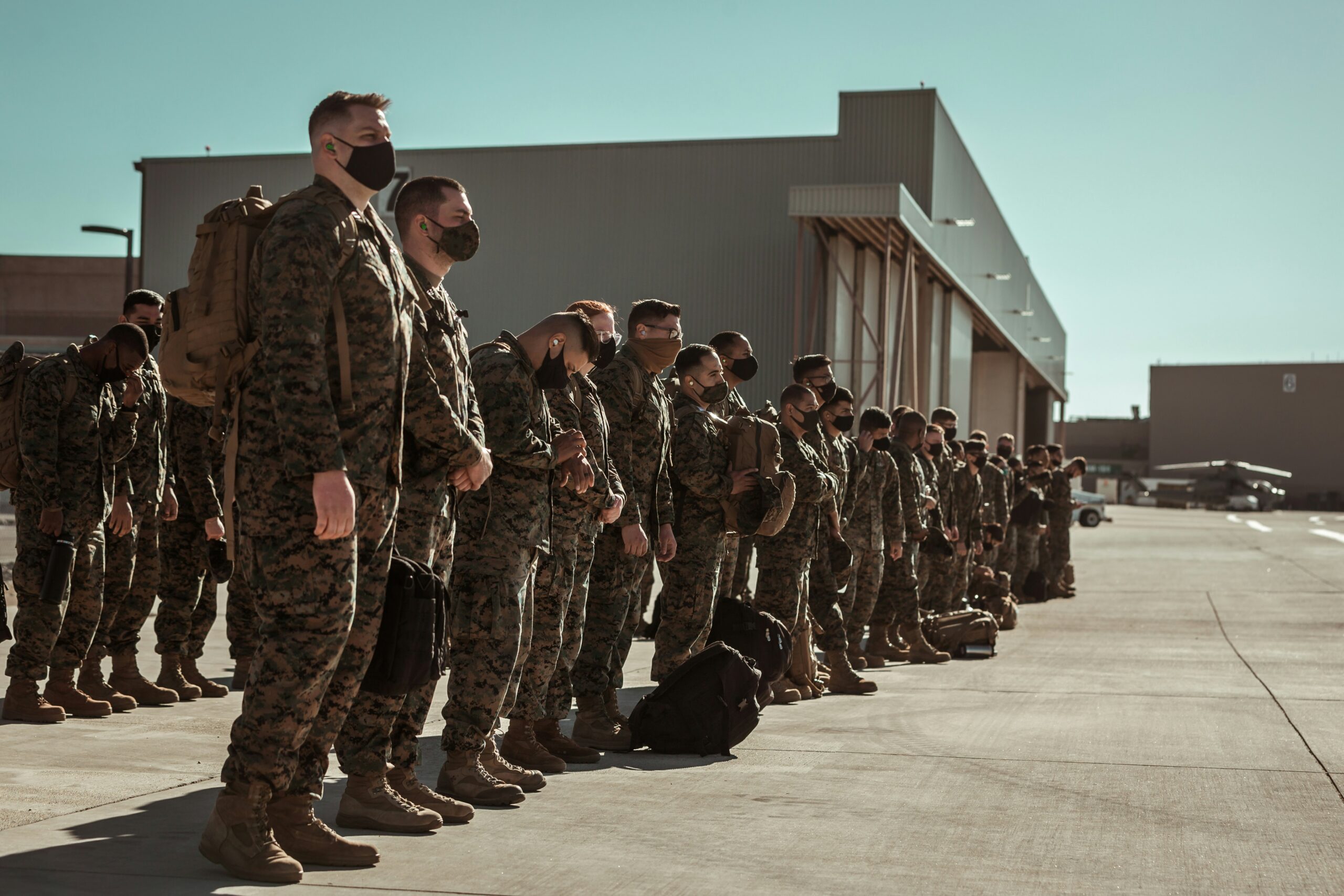
Military experience builds leadership under pressure, and MBA programs sharpen that leadership with analytical rigor. Together, they create a powerful combination that prepares graduates to solve complex business problems. Moreover, veterans often bring discipline, accountability, and resilience into the classroom, which strengthens group discussions and collaborative projects. As a result, they contribute practical insights that enrich case studies and strategic debates.
At the same time, business education introduces structured frameworks that help veterans reinterpret their experiences in commercial terms. For example, operational planning in the military can translate into project management in corporate environments. Therefore, MBA coursework in finance, marketing, and operations allows veterans to connect mission-driven thinking with market-driven outcomes. Consequently, they learn how to convert tactical leadership into sustainable organizational strategy.
Adapting to Academic and Corporate Cultures
Although military culture emphasizes hierarchy and command, MBA environments often encourage open dialogue and peer-driven learning. Initially, this shift can feel challenging, especially for those accustomed to clear chains of command. However, veterans quickly adapt because they understand teamwork and respect diverse viewpoints. In addition, they recognize that collaboration strengthens decision-making in complex business settings.
Furthermore, corporate culture values innovation, flexibility, and data-driven analysis. While the military prioritizes execution and mission completion, business education highlights experimentation and competitive positioning. Therefore, veterans must recalibrate their approach to align with market competition rather than solely with operational objectives. As they do so, they expand their ability to think strategically across industries and global markets.
Leveraging Discipline for Academic Excellence
Military training instills time management, focus, and accountability, which directly support MBA success. Because graduate programs demand consistent performance, veterans often excel at balancing coursework, internships, and networking activities. In turn, their structured routines help them meet deadlines and maintain high standards. Consequently, they can manage demanding schedules without compromising performance.
Moreover, discipline enhances preparation for presentations, group projects, and leadership exercises. Since MBA programs emphasize real-world simulations, veterans can draw upon their experience in planning and execution. Therefore, they approach assignments with clarity and determination. As a result, their commitment to excellence strengthens both individual performance and team outcomes.
Bridging Technical Knowledge with Strategic Thinking
Military roles often require technical expertise in logistics, engineering, intelligence, or operations. However, MBA programs expand that expertise into broader strategic thinking. Through coursework in economics and organizational behavior, veterans learn how decisions affect financial performance and market positioning. In addition, they develop the ability to evaluate risk from multiple perspectives.
Meanwhile, strategic thinking requires long-term vision and adaptability. Although military operations focus on defined objectives, business environments change rapidly due to competition and innovation. Therefore, veterans must learn to anticipate trends, analyze market data, and adjust plans accordingly. As they integrate technical experience with strategic frameworks, they become versatile leaders capable of guiding organizations through uncertainty.
Building Professional Networks Beyond the Service
Military careers foster strong bonds built on trust and shared responsibility. Nevertheless, MBA programs expand professional networks beyond familiar circles. Through alum events, internships, and industry partnerships, veterans connect with executives, entrepreneurs, and investors. Consequently, they gain exposure to diverse career paths and business models.
In addition, networking enhances access to mentorship and collaboration opportunities. While military advancement follows structured promotion systems, business careers often rely on relationship-building and visibility. Therefore, veterans must proactively engage with peers and faculty to maximize opportunities. As they expand their networks, they strengthen their ability to transition into leadership roles across industries.
Developing Financial Literacy and Market Awareness
Service members often manage large operational budgets or resource allocations, yet MBA programs deepen financial literacy. Through accounting and corporate finance courses, veterans learn how to interpret balance sheets, evaluate investments, and assess capital structures. Moreover, they gain insight into shareholder expectations and market valuation principles. As a result, they understand how financial decisions influence organizational growth.
Additionally, market awareness enhances competitive analysis and strategic positioning. Because businesses operate in dynamic environments, leaders must evaluate customer behavior, industry trends, and global forces. Therefore, veterans apply analytical skills learned in the military to interpret data and forecast outcomes. Consequently, they develop the confidence to make informed financial and strategic decisions.
Transforming Mission Focus into Organizational Vision
Military service centers on achieving specific missions with precision and accountability. Similarly, successful businesses rely on clear vision and measurable goals. However, MBA education broadens that focus from short-term objectives to long-term value creation. In this way, veterans learn to align operational execution with corporate strategy.
Furthermore, organizational vision requires communication, persuasion, and stakeholder engagement. While military leadership often depends on directives, business leadership relies on influence and consensus-building. Therefore, veterans refine their communication skills to inspire teams and align departments around shared objectives. As they do so, they strengthen organizational culture and performance outcomes.
Embracing Innovation and Entrepreneurial Thinking
Although military systems emphasize structure and protocol, business education encourages innovation and calculated risk-taking. Through entrepreneurship courses and experiential learning, veterans explore new product development and market entry strategies. In addition, they examine case studies that highlight disruptive companies and evolving industries. Consequently, they learn how creativity drives competitive advantage.
Moreover, entrepreneurial thinking empowers veterans to identify opportunities within existing organizations. Because they understand operational efficiency, they can propose improvements that increase productivity and profitability. Therefore, they contribute fresh perspectives grounded in discipline and practical experience. As a result, they become catalysts for positive organizational change.
Positioning for Long-Term Career Growth
Ultimately, combining military experience with an MBA creates strong career momentum. While service builds leadership credibility, business education enhances technical expertise and strategic awareness. Together, they position graduates for executive roles, consulting positions, or entrepreneurial ventures. Therefore, veterans gain flexibility in navigating multiple career paths.
In addition, employers value candidates who demonstrate resilience, adaptability, and a commitment to continuous learning. Because MBA programs reinforce analytical thinking and collaboration, veterans enhance their professional profiles. Consequently, they stand out in competitive job markets and leadership pipelines. As they integrate both experiences, they create a foundation for sustained growth and meaningful impact.
Integrating Service and Strategy for Impact
In conclusion, balancing military experience with business education produces well-rounded leaders prepared for complex challenges. Although the transition requires adaptation, veterans bring discipline and integrity that strengthen academic and professional environments. Moreover, MBA programs provide the analytical tools and strategic frameworks necessary for modern business success. As these elements combine, they generate powerful leadership capabilities.
Therefore, individuals who transition from military service to MBA studies should view their background as an asset rather than a limitation. By applying structured thinking, embracing collaboration, and expanding financial knowledge, they transform their experience into a strategic advantage. Ultimately, this integration of service and scholarship equips them to lead organizations with confidence, vision, and measurable impact.