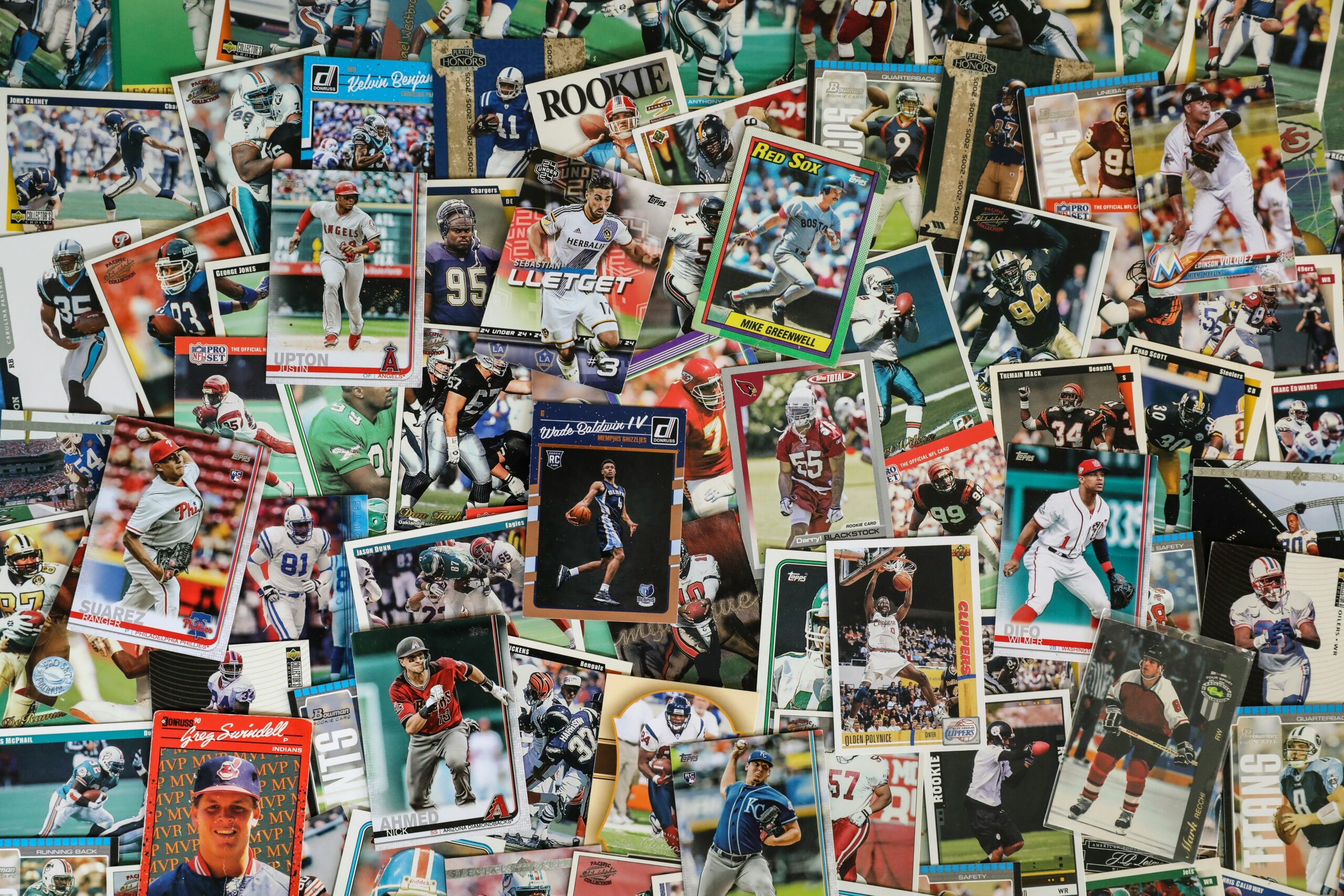
Sports card collecting has evolved far beyond a childhood pastime. What once began as a hobby centered around trading cards among friends has grown into a sophisticated marketplace that attracts collectors, historians, and investors. The blend of nostalgia, sports history, and financial opportunity has transformed sports card collecting into an activity that combines passion with strategic thinking.
Collectors today approach the hobby with a deeper understanding of rarity, player legacy, and market demand. Modern technology and online marketplaces have also expanded collectors’ reach, making it easier to discover valuable cards and connect with communities around the world. As a result, sports card collecting now exists at the intersection of art, history, and investment.
The Historical Roots of Sports Card Collecting
Sports cards first appeared in the late nineteenth century when manufacturers included them in product packaging as promotional items. Early cards often featured athletes from popular sports such as baseball and boxing, capturing the attention of fans who admired these competitors.
Over time, these cards became cherished collectibles because they preserved moments from sports history. Each card tells a story about a particular athlete, season, or era. For many collectors, the value of sports cards lies not only in their financial worth but also in the memories and traditions they represent.
As sports leagues gained global popularity, the demand for collectible memorabilia increased. Card manufacturers began producing detailed designs, limited editions, and special series that appealed to both casual fans and dedicated collectors.
Understanding the Appeal of the Hobby
One reason sports card collecting remains popular is the emotional connection fans have with their favorite athletes and teams. Owning a card featuring a legendary player allows collectors to feel closer to the sport’s history.
Many collectors also enjoy the thrill of discovery. Searching for rare cards, attending trading events, and completing sets create an engaging experience that combines patience and excitement. The process often requires research, negotiation, and strategic thinking, which adds intellectual depth to the hobby.
Another appealing aspect is the sense of community that develops among collectors. Enthusiasts share knowledge, discuss market trends, and celebrate important discoveries together. These connections strengthen the hobby and encourage new generations of collectors to participate.
The Role of Rarity and Condition
The value of a sports card depends largely on two key factors: rarity and condition. Cards produced in limited quantities or from early historical sets tend to attract significant attention from collectors.
Condition is equally important because it reflects how well a card has been preserved over time. Professional grading organizations evaluate cards based on criteria such as centering, surface quality, and edge sharpness. Higher graded cards often command significantly higher prices because they are considered more desirable and collectible.
Collectors who understand these factors can make informed decisions when acquiring new cards. Careful storage and protection also play an essential role in maintaining long-term value.
The Influence of Iconic Athletes
Certain athletes have had an enormous impact on the popularity of sports card collecting. Cards featuring legendary players often become centerpiece items within collections. These athletes represent defining moments in sports history, which increases demand for memorabilia associated with their careers.
When an athlete achieves remarkable milestones or enters the Hall of Fame, the value of their cards may rise significantly. Collectors who follow player performance closely often anticipate these changes in value.
Modern athletes also influence the market. Rookie cards featuring promising young players attract attention from collectors who believe these athletes may become future legends.
Technology and the Expansion of the Market
The digital era has dramatically transformed sports card collecting. Online marketplaces allow collectors to buy, sell, and trade cards with individuals from around the world. This global accessibility has expanded the market and increased competition for rare items.
Digital platforms also provide valuable information about pricing trends and card availability. Collectors can research historical sales data and compare card conditions before making purchases. These tools help both beginners and experienced collectors make more informed investment decisions.
Social media communities and virtual trading events have also contributed to the hobby’s growth. Collectors share images of their collections, discuss emerging trends, and celebrate major acquisitions with audiences worldwide.
Sports Cards as an Investment Opportunity
In recent years, sports cards have gained attention as an alternative investment. Rare and historically significant cards have sold for impressive amounts at auctions and private sales. This financial potential has attracted investors who see collectibles as a way to diversify their portfolios.
However, successful investing in sports cards requires careful research and patience. Market demand can fluctuate depending on factors such as athlete performance, cultural trends, and economic conditions. Investors who understand these dynamics are better prepared to make strategic decisions.
Long-term collectors often emphasize the importance of focusing on quality rather than quantity. Acquiring cards featuring historically significant players or limited-edition releases can increase the likelihood of long-term appreciation.
Protecting and Preserving Valuable Collections
Proper preservation is essential for maintaining the value of sports cards. Collectors typically store cards in protective sleeves, rigid holders, or specialized storage boxes designed to prevent damage.
Environmental conditions also play a role in preservation. Excessive humidity, heat, or exposure to sunlight can cause deterioration over time. Maintaining stable storage conditions helps ensure that cards remain in excellent condition for future generations.
Insurance and documentation are additional considerations for collectors who own particularly valuable items. Detailed records and photographs provide proof of ownership and assist with valuation if needed.
The Cultural Impact of Sports Card Collecting
Beyond financial value, sports card collecting plays an important role in preserving sports history. Cards capture images and statistics from different eras, allowing fans to reflect on the evolution of athletics and competition.
Collectors often become informal historians who study player achievements, team rivalries, and historical milestones. Through their collections, they keep these stories alive and share them with others who appreciate the legacy of sports.
The hobby also encourages younger fans to learn about past generations of athletes. By exploring older card sets, new collectors discover legends whose achievements shaped the sports they enjoy today.
The Future of the Collecting Community
The future of sports card collecting appears promising as new technologies and creative designs continue to attract interest. Card manufacturers now experiment with innovative materials, artistic designs, and interactive features that enhance the appeal of modern cards.
At the same time, vintage cards remain highly valued because they represent the hobby’s origins. This balance between tradition and innovation ensures that sports card collecting remains dynamic and engaging.
Collectors who approach the hobby with curiosity and dedication often find that it offers more than financial rewards. It provides opportunities to connect with fellow enthusiasts, celebrate sports history, and build collections that reflect personal passion.
Sports card collecting demonstrates how a simple hobby can grow into a sophisticated pursuit that combines art, history, and investment. For many enthusiasts, the joy of discovering a rare card or completing a cherished set is just as meaningful as the potential financial return. Through patience, knowledge, and appreciation for the legacy of sports, collectors continue to shape a vibrant and enduring community.