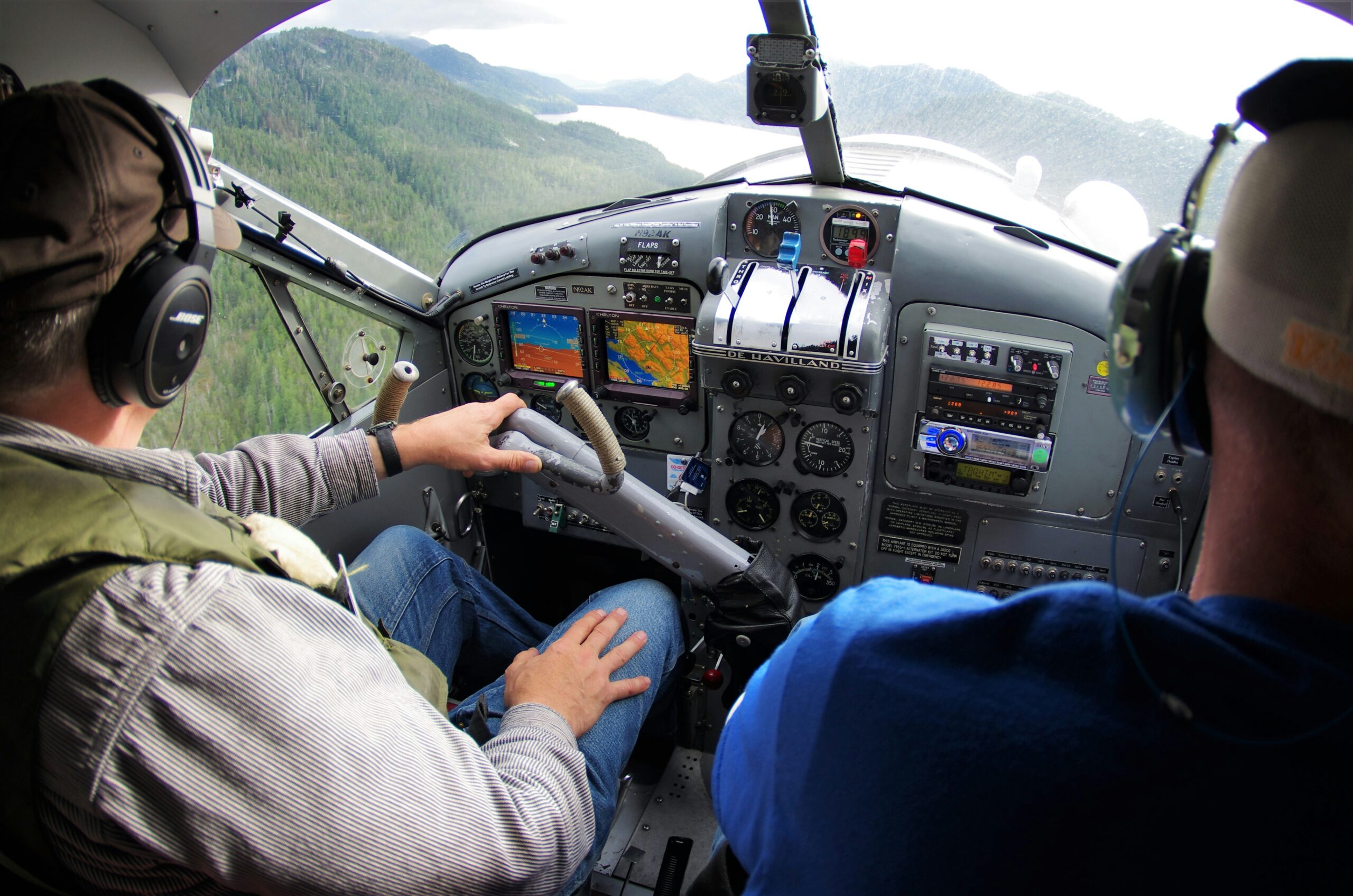
Private aviation is changing how outdoor enthusiasts reach the most isolated landscapes in America, and today, private aviation for hunters and anglers stands at the center of this shift. As more sportsmen and women seek untouched rivers, high-country basins, and deep backcountry terrain, they look for faster, safer, and more flexible travel options. Commercial airlines often limit gear, routes, and schedules; however, private aviation opens direct access to remote wilderness travel without the stress of crowded terminals or long drives. Because hunters and anglers value time in the field, this modern approach to transportation allows them to focus on the experience rather than the journey.
Why Private Aviation Is Transforming Remote Wilderness Travel
Private aviation gives hunters and anglers direct access to remote airstrips, mountain runways, and bush landing zones that commercial flights cannot reach. As a result, travelers can land closer to prime hunting grounds or secluded fishing waters. Instead of losing a full day to layovers and ground transfers, they can arrive within hours of departure. Moreover, private charters operate on flexible schedules, which means outdoor trips no longer revolve around airline timetables.
Private aviation improves overall travel efficiency. Pilots who specialize in wilderness routes understand terrain, weather shifts, and seasonal patterns. Therefore, they can recommend the safest arrival windows and alternate landing options. Because remote wilderness travel often involves unpredictable conditions, experienced flight crews help reduce delays and cancellations. This level of planning ensures that hunters and anglers spend more time outdoors and less time navigating logistics.
Accessing Remote Hunting and Fishing Destinations with Ease
Remote wilderness travel often requires multiple vehicles, boats, or long hikes before the adventure even begins. However, private aviation eliminates many of these obstacles by providing direct access to backcountry locations. For example, small aircraft can land on gravel bars, alpine strips, or tundra runways that sit just miles from trophy game areas or world-class fishing streams. Consequently, athletes conserve energy for the hunt or the cast rather than exhausting themselves during travel.
Private aviation allows groups to customize their drop-off and pickup points. If weather or wildlife patterns shift, pilots can adjust flight plans accordingly. This flexibility gives hunters and anglers a strategic advantage. Instead of committing to one fixed lodge or access point, they can respond to real-time conditions. Because success often depends on timing and movement, adaptable transportation is crucial to modern remote wilderness travel.
Transporting Gear and Equipment Without Compromise
Hunters and anglers often carry rifles, bows, coolers, waders, decoys, and other bulky gear. Commercial airlines impose strict baggage limits and complex firearm regulations. In contrast, private aviation offers tailored cargo solutions that match the needs of outdoor travelers. As a result, clients can transport specialized equipment safely and efficiently without splitting gear across multiple flights.
Private charters provide secure storage and organized loading processes. Pilots and crew members understand how to handle sensitive gear, including optics and fishing rods. Therefore, equipment arrives intact and ready for use. Because remote wilderness travel rarely offers replacement supplies, reliable transport reduces the risk of ruined trips. This advantage makes private aviation for hunters and anglers not just convenient but essential for serious expeditions.
Saving Time and Extending Time in the Field
Time remains one of the most valuable resources for outdoor enthusiasts. Many hunters and anglers balance busy work schedules with limited seasonal windows. However, private aviation maximizes time in the field by reducing transit time. Instead of spending two days traveling, they can arrive at camp the same day they depart. Consequently, even short trips become productive adventures.
Private flights reduce the stress associated with delays, missed connections, and crowded terminals. When travelers avoid these disruptions, they start their trips focused and energized. Because remote wilderness travel often demands physical endurance, arriving rested makes a measurable difference. Private aviation supports this advantage by offering streamlined boarding, minimal wait times, and direct routes.
Enhancing Safety in Remote Environments
Safety remains a top priority during remote wilderness travel. Isolated terrain presents risks such as sudden storms, medical emergencies, and wildlife encounters. However, private aviation companies that specialize in backcountry access train their crews for these conditions. They monitor weather patterns closely and adjust flight paths to ensure safe arrivals and departures.
Private aircraft offer faster evacuation options in the event of an emergency. Should a hunter suffer an injury or an angler face a health issue, pilots can coordinate rapid transport to medical facilities. This level of responsiveness adds peace of mind to high-risk environments. Therefore, private aviation for hunters and anglers enhances both adventure and security.
Supporting Conservation and Responsible Travel
Many outdoor enthusiasts value conservation and responsible land use. Private aviation can support these goals when operators follow sustainable practices. For instance, modern aircraft often use fuel-efficient engines and optimized routing to reduce emissions. Furthermore, direct flights reduce the need for multiple vehicles to drive through sensitive habitats.
Because remote wilderness travel depends on healthy ecosystems, responsible transportation matters; charter companies that partner with conservation groups or follow strict environmental guidelines contribute to long-term preservation efforts. As hunters and anglers continue to invest in habitat protection, choosing mindful private aviation services aligns with their broader stewardship values.