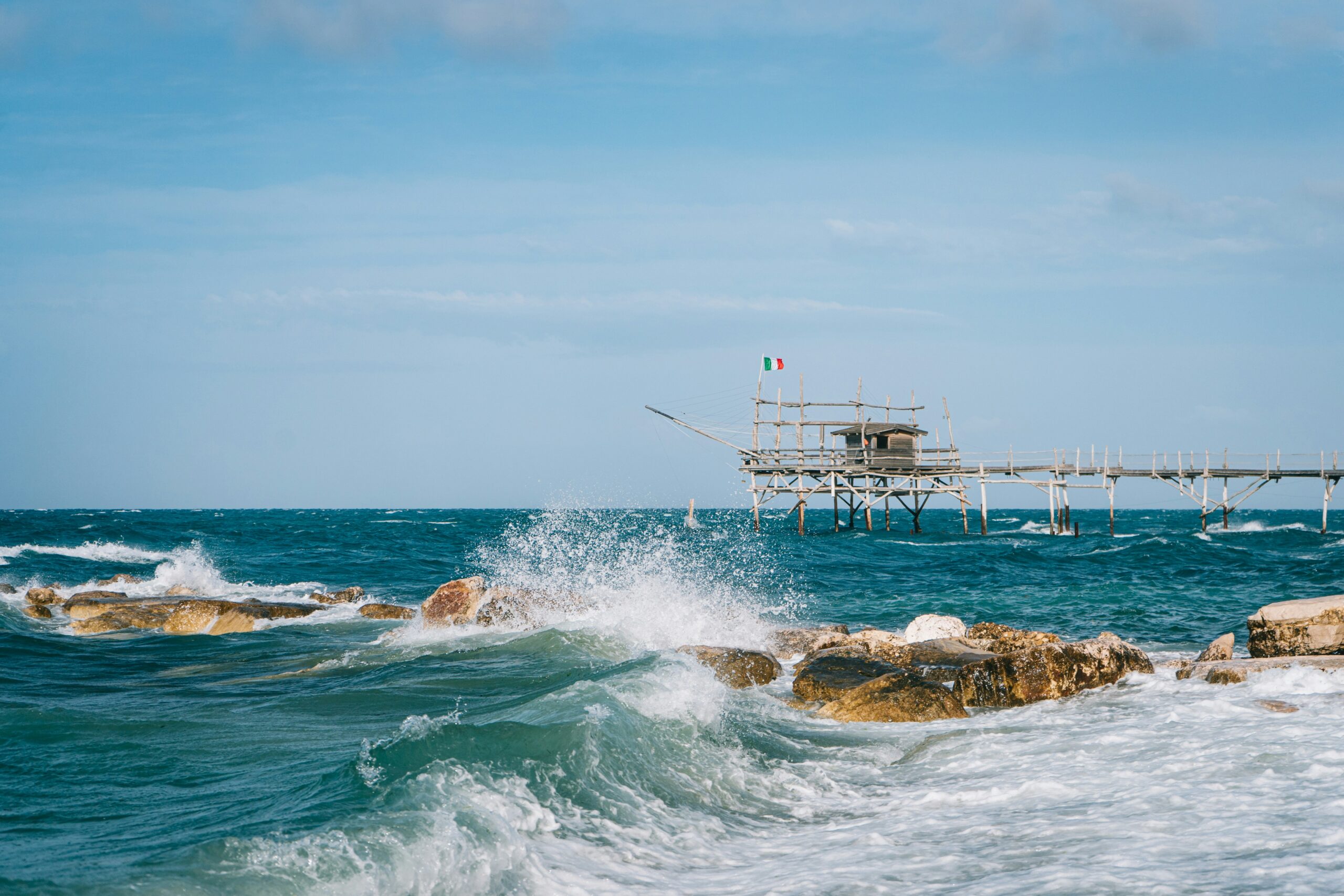
Marine construction in extreme environments pushes engineering to its limits. From freezing polar seas to turbulent tropical storms, building structures that endure these harsh conditions requires precision, innovation, and deep expertise. Engineers must design with an understanding of water dynamics, material resilience, and environmental impact while balancing cost and safety. This field goes far beyond typical construction—it’s a battle between human ingenuity and nature’s unpredictable power.
Designing for Harsh Marine Conditions
Creating durable marine structures begins with understanding environmental forces such as waves, tides, currents, and salinity. Engineers use advanced modeling systems to simulate these conditions before construction begins. These digital simulations predict potential stress points and help determine the best materials and structural designs to ensure longevity. For instance, offshore oil platforms and wind turbines are built to withstand hurricane-level winds and corrosive seawater, requiring reinforced steel alloys and specialized coatings.
Moreover, engineers consider the long-term impacts of shifting sea levels and climate change. Coastal erosion and stronger storms demand adaptable designs that can be elevated, expanded, or relocated when necessary. This forward-thinking approach ensures that projects remain functional and safe for decades, even as environmental conditions evolve.
Materials That Endure the Elements
Selecting materials for marine projects is a science in itself. Traditional concrete and steel, while strong, must be modified to resist corrosion caused by saltwater and constant moisture. To combat this, engineers incorporate additives like silica fume and fly ash into concrete mixes, improving density and reducing permeability. Stainless steel reinforcements or fiber-reinforced polymers are often used to provide additional strength without compromising durability.
In addition, innovations like self-healing concrete and anti-fouling coatings are becoming more common. These materials can repair micro-cracks and prevent marine organisms such as barnacles from attaching to submerged structures. Such advancements not only extend the lifespan of marine infrastructure but also reduce maintenance costs—an essential factor in remote or dangerous environments.
Technological Innovations in Marine Engineering
Technology has revolutionized marine construction, making once-impossible projects achievable. Remote-operated vehicles (ROVs) and underwater drones are now essential for surveying and inspecting underwater sites. These devices provide high-resolution images and data that guide construction teams with precision, even in deep or murky waters. Furthermore, computer-aided design (CAD) software enables engineers to create 3D models that account for every potential environmental factor.
In recent years, modular construction has also gained traction. Prefabricated components built onshore are transported and assembled at sea, minimizing the risks associated with underwater work. This technique shortens project timelines, enhances safety, and allows teams to maintain strict quality control before deployment. Combined with advancements in robotics and automation, marine construction is becoming more efficient, sustainable, and precise than ever before.
Environmental Considerations and Sustainability
While marine construction supports economic growth, it must also respect delicate aquatic ecosystems. Engineers now prioritize sustainability by incorporating eco-friendly materials and building techniques that reduce ecological disruption. For instance, artificial reefs can be integrated into structures such as piers or breakwaters to support marine biodiversity. Environmental impact assessments are mandatory for large-scale projects, ensuring that construction activities minimize harm to marine life.
Furthermore, renewable energy projects like offshore wind farms and tidal power stations are setting new benchmarks for sustainable engineering. These initiatives not only demonstrate the technical possibilities of marine construction but also contribute to global clean energy goals. By blending innovation with environmental responsibility, engineers are redefining what it means to build sustainably on the water.
Overcoming Logistical and Safety Challenges
Operating in extreme marine environments presents unique logistical challenges. Equipment must be transported across long distances, often in unpredictable weather conditions. Construction schedules can shift dramatically due to storms, freezing temperatures, or high waves. To counter these risks, detailed planning and real-time monitoring are essential. Project teams rely on satellite data and meteorological forecasts to make informed decisions and ensure worker safety.
Safety protocols are equally vital. Workers are trained to handle emergencies, from underwater welding hazards to sudden equipment failures. Strict adherence to international maritime safety standards ensures that every project meets both performance and human safety requirements. Despite the challenges, meticulous coordination and technology-driven planning make it possible to execute even the most complex marine projects successfully.
The Future of Marine Construction
The future of marine construction lies at the intersection of resilience, sustainability, and innovation. As sea levels rise and global energy demands grow, engineers will continue to push boundaries—developing smarter materials, autonomous construction systems, and floating infrastructures. Floating cities, offshore hydrogen plants, and underwater research hubs are no longer ideas of science fiction; they’re emerging realities built on today’s engineering breakthroughs.
Ultimately, marine construction in extreme environments exemplifies humanity’s ability to adapt and innovate. Each project, from deep-sea pipelines to offshore wind farms, represents a testament to engineering excellence and environmental stewardship. With continued technological progress and sustainable design, the next generation of marine infrastructure will stand stronger—and greener—against the forces of nature.