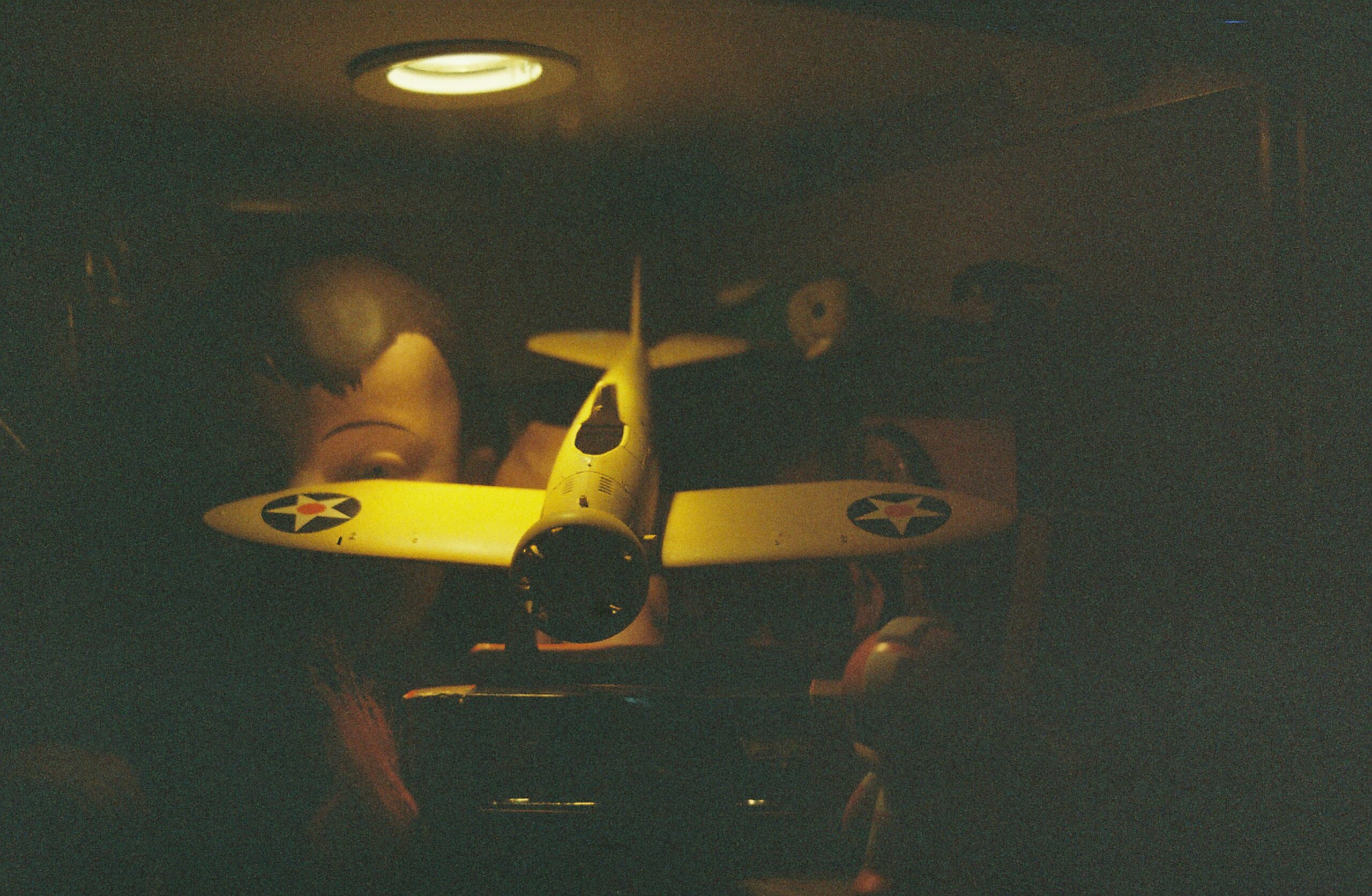
Remote-control airplanes bring the joy of flight to people of all ages. They combine skill, creativity, and outdoor fun in one exciting hobby. From smooth takeoffs to gentle landings, flying these planes creates a sense of freedom that few hobbies can match. Remote-control airplanes are not just toys. They are learning tools, stress relievers, and a great way to enjoy open spaces.
This article explores why remote-control airplanes are so thrilling, how they work, and why more people are choosing this hobby every year.
What Are Remote-Control Airplanes
Remote-control airplanes are small aircraft guided by a handheld transmitter. The pilot controls speed, direction, and altitude using radio signals. These signals travel from the controller to a receiver inside the plane.
Most remote-control airplanes are made from foam, plastic, or light wood. They use electric motors, though some advanced models still use fuel engines. Electric planes are more common today because they are quiet, clean, and easy to maintain.
Why Remote-Control Airplanes Feel So Exciting
Flying remote-control airplanes gives a feeling of control and freedom. You stand on the ground, but your focus is in the sky. Every turn and climb depends on your hands and timing.
This hobby also brings calm. Many pilots say flying helps them relax after a busy day. The steady motion of the plane and the focus needed to guide it can reduce stress.
There is also a strong sense of achievement. Learning to take off, fly smoothly, and land without damage takes practice. Each improvement feels rewarding.
A Hobby for All Skill Levels
Remote-control airplanes fit beginners and experts alike. New pilots can start with simple models that fly slowly and stay stable. These planes often include safety features like auto-leveling.
More experienced pilots can choose faster planes or models that perform tricks. Some pilots enjoy aerobatics like loops and rolls. Others prefer long, smooth flights that focus on control.
Because of this range, remote-control airplanes grow with the pilot. You do not outgrow the hobby. You just move to new challenges.
Learning Through Flight
Remote-control airplanes teach real skills. Pilots learn basic physics like lift, drag, and balance. They also learn patience and problem solving.
When a plane crashes, and most do at some point, the pilot learns how to fix it. This builds confidence and hands-on skill. For younger pilots, this hobby supports learning in a fun way.
Many parents choose remote-control airplanes to help kids develop focus and responsibility. Taking care of the plane and learning flight rules builds good habits.
Choosing the Right Remote-Control Airplane
Picking the right plane is important for a good start. Beginners should look for remote-control airplanes labeled as trainer models. These planes are light, durable, and easy to control.
Electric planes are best for new pilots. They start quickly and need less upkeep. Ready-to-fly models are also a good choice. They come fully assembled and include the controller.
Before buying, consider where you plan to fly. Small parks and open fields work well for lightweight planes. Larger planes need more space.
Where to Fly Safely
Safety matters when flying remote-control airplanes. Always choose open areas away from people, roads, and buildings. Many cities have designated flying fields or clubs.
Check local rules before flying. Some areas have limits on altitude or location. Following rules keeps the hobby safe and enjoyable for everyone.
Weather also matters. Calm days are best, especially for beginners. Strong wind can make control difficult and increase crash risk.
The Social Side of Remote-Control Airplanes
Remote-control airplanes bring people together. Many pilots join local clubs to share tips and fly together. These groups welcome new members and often help beginners learn faster.
Flying with others adds fun and motivation. You can watch different planes, learn new skills, and enjoy friendly competition.
Online communities also play a big role. Pilots share videos, advice, and reviews. This makes learning easier and keeps the hobby fresh.
Technology Makes Flying Easier
Modern technology has improved remote-control airplanes. Gyro systems help keep planes stable. GPS features assist with navigation and return-to-home functions.
Batteries now last longer and charge faster. Controllers are more precise and easier to use. These advances lower the barrier for beginners and expand options for experts.
Despite these changes, the core thrill remains the same. You are still guiding a plane through the sky with your own skill.
Why This Hobby Keeps Growing
Remote-control airplanes continue to grow in popularity. They offer outdoor fun in a world full of screens. They encourage learning, focus, and creativity.
The hobby fits many lifestyles. You can fly for ten minutes or several hours. You can fly alone or with friends. You can keep it simple or make it complex.
Most of all, remote-control airplanes offer a feeling that is hard to replace. The moment a plane lifts off and responds to your command is pure excitement.
Final Thoughts on the Joy of Flight
Remote-control airplanes give people a chance to experience flight in a personal way. They combine learning, relaxation, and excitement into one hobby.
Whether you are young or old, new or experienced, this hobby offers something special. The sky becomes your playground, and every flight tells a new story.
Wings of freedom are not just for birds. With remote-control airplanes, they are within reach of anyone ready to look up and take control.