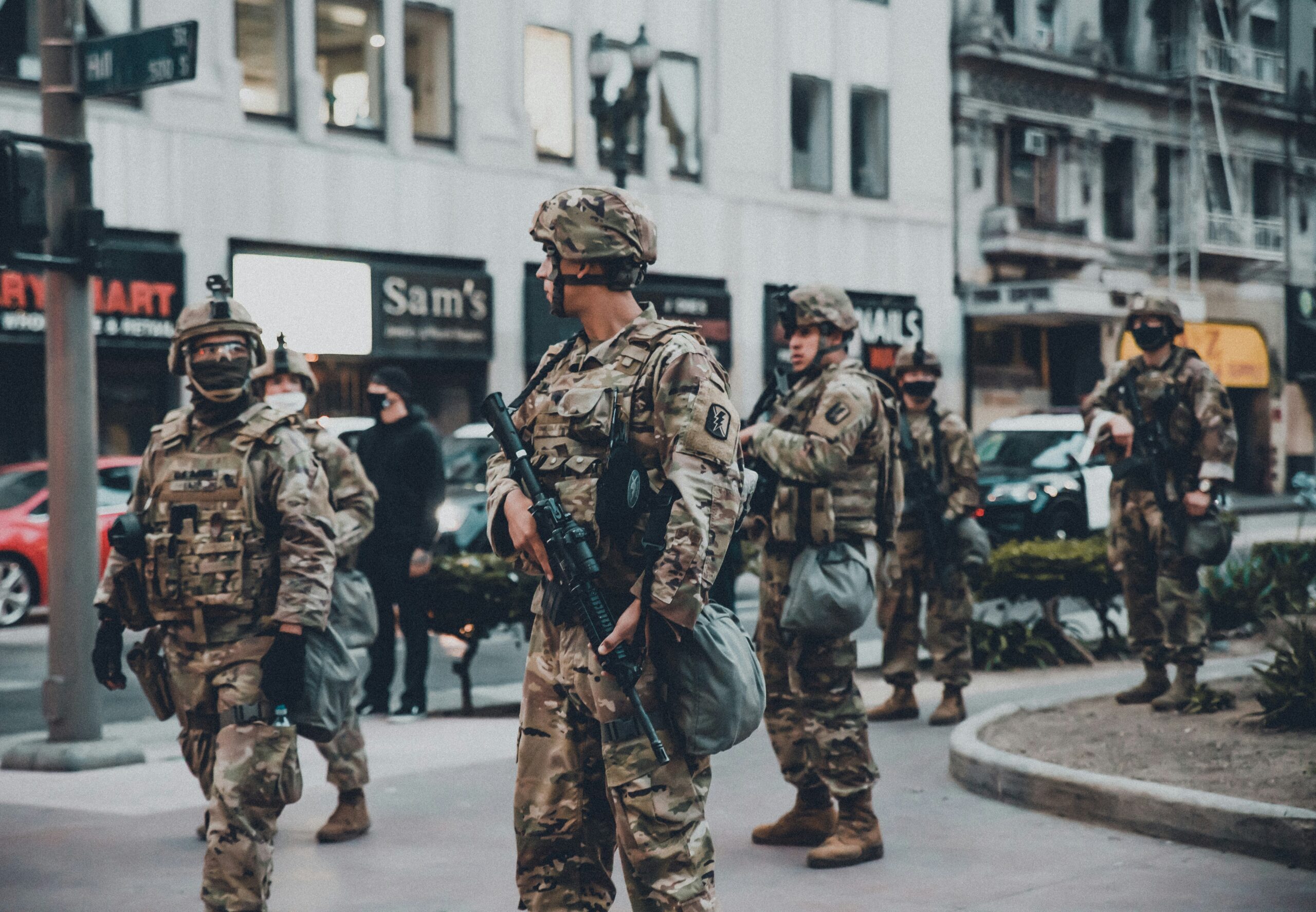
Leadership does not begin with a job title. It begins with responsibility, decision-making, and the ability to guide others through challenges. A military commander faces some of the most difficult situations where choices can affect many lives. However, the same leadership skills used on the battlefield can also create stronger businesses and more effective teams. Military leaders learn how to stay calm under pressure, communicate clearly, and build trust among their people. These qualities are valuable in modern workplaces where leaders must manage change, solve problems, and inspire success. Therefore, the lessons from military leadership can help business professionals become more confident, focused, and prepared for future challenges.
Building Trust Through Strong Leadership
Trust is the foundation of every successful team. A military commander understands that people perform better when they believe in their leader. Soldiers follow leaders who show honesty, fairness, and commitment. Similarly, employees respect business leaders who support their teams and keep their promises. A leader cannot demand loyalty without first earning respect. Therefore, trust must become a daily practice, not just a leadership goal.
Military leaders build trust by standing with their teams during difficult moments. They do not avoid challenges or place all responsibility on others. Instead, they accept accountability and provide guidance. In business, this approach helps create a positive workplace culture. When employees know their leaders will support them, they become more willing to share ideas, take ownership, and work toward common goals.
A commander also understands the importance of knowing the people they lead. Effective military leaders learn about their team members, including their strengths and challenges. Likewise, business leaders should understand employee needs and motivations. This personal connection improves communication and creates stronger professional relationships.
Moreover, trust improves teamwork during uncertain situations. Companies often face market changes, financial pressure, and unexpected problems. However, teams with strong trust can respond faster and work together more effectively. This is one of the most important military leadership lessons that applies directly to business success.
Making Decisions Under Pressure
A military commander must make important decisions with limited information and time. Waiting for perfect conditions is often impossible. Therefore, military leaders develop the ability to analyze situations quickly and choose the best possible action. Business leaders face similar challenges when dealing with competition, customer demands, and operational problems.
Good decision-making does not mean avoiding mistakes. Instead, it means learning how to evaluate risks and move forward with confidence. Military leaders study situations carefully before acting. They consider available resources, possible outcomes, and the impact on their teams. In business, leaders can use the same approach to make smarter choices.
Additionally, successful leaders understand that indecision can create more problems. A delayed decision can confuse and reduce team confidence. However, a clear direction helps employees understand their responsibilities. Business leaders who communicate decisions effectively can keep their teams focused even during difficult periods.
A strong commander also knows when to adjust plans. Conditions on the battlefield can change quickly, and leaders must remain flexible. Similarly, businesses must adapt to new technologies, customer behaviors, and market trends. Therefore, flexibility becomes a key leadership skill for long-term success.
Creating a Culture of Discipline and Excellence
Discipline plays an important role in military success. A commander teaches teams to follow standards, prepare carefully, and complete tasks with attention to detail. However, discipline does not mean strict control. Instead, it creates structure that helps people perform at their best.
Businesses also benefit from disciplined leadership. Clear goals, strong processes, and consistent expectations help employees understand what success looks like. When leaders create a culture of excellence, teams become more productive and confident. Therefore, discipline becomes a tool for improvement rather than a limitation.
Military commanders also focus heavily on preparation. They train their teams before facing challenges. In business, preparation includes employee development, planning, and continuous learning. Companies that invest in growth create teams that can handle future opportunities and problems.
Furthermore, discipline helps leaders maintain focus during difficult times. Every organization experiences setbacks. However, disciplined teams can recover faster because they understand their purpose and responsibilities. This mindset separates successful organizations from those that struggle during uncertainty.
Communication That Inspires Action
Clear communication is one of the most important skills a military commander develops. In critical situations, unclear instructions can create serious problems. Therefore, military leaders learn to communicate messages directly. Business leaders can use the same method to improve workplace performance.
Employees need to understand goals, expectations, and priorities. When communication is unclear, teams may waste time or work toward different objectives. However, leaders who communicate effectively create alignment across the organization. This improves teamwork and reduces confusion.
Strong leaders also understand that communication involves listening. Military commanders often gather feedback from their teams because those closest to a situation may provide valuable information. Similarly, business leaders should encourage employees to share ideas and concerns. Listening creates trust and helps leaders make better decisions.
In addition, great communication inspires people. A commander does not only give instructions. They motivate their team by explaining the purpose behind their actions. Business leaders who connect daily tasks with a larger mission can encourage employees to work with greater commitment.
Leading Through Change and Uncertainty
Change is unavoidable in both military operations and business environments. A commander must prepare teams to handle unexpected events. Likewise, modern business leaders must guide employees through technological changes, economic shifts, and new challenges. Therefore, adaptability has become one of the most valuable leadership qualities.
Military leaders develop resilience by teaching their teams how to recover from setbacks. They understand that challenges are part of progress. In business, resilient leaders help employees stay motivated during difficult periods. They focus on solutions rather than allowing fear to dictate decisions.
Moreover, effective leaders understand that change requires vision. A commander must know the mission and help others understand the path forward. Business leaders also need a clear vision that connects daily actions with future success. Without direction, teams may lose focus and confidence.
Successful leaders also encourage continuous improvement. They review past experiences and identify ways to perform better in the future. This habit helps organizations grow stronger over time. Therefore, learning from challenges becomes an important part of leadership development.