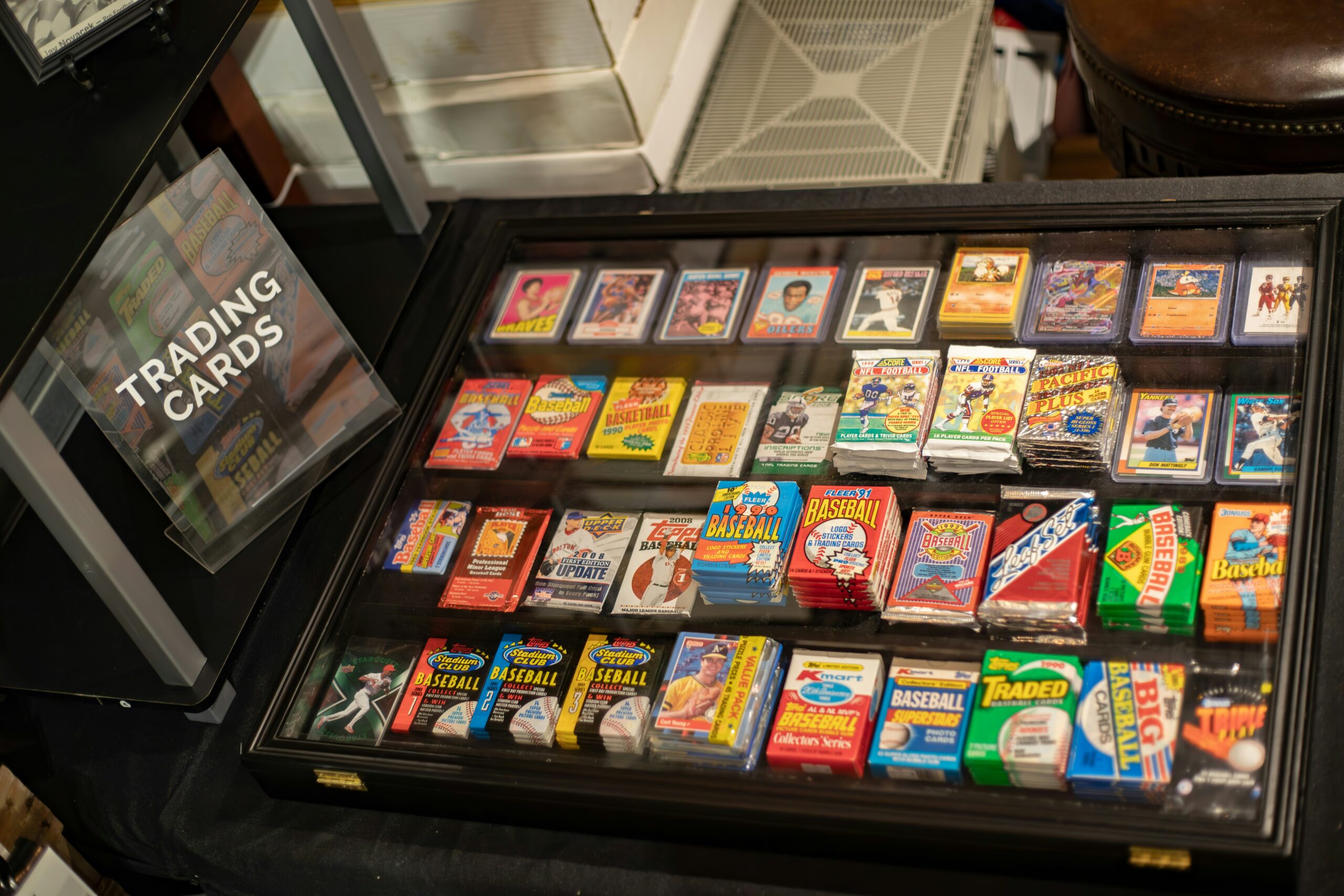
Sports card collecting has evolved far beyond a childhood hobby. For generations, fans have collected cards because they admire certain athletes, teams, seasons, and memorable moments. Today, however, many collectors also view sports cards as alternative assets with potential financial value. As a result, the hobby now combines nostalgia, market research, condition analysis, and investment strategy.
The growing sports card market attracts longtime enthusiasts and newcomers alike. Some collectors focus on vintage baseball cards, while others search for modern rookie cards, rare parallels, autographs, or limited editions. Although financial returns can attract attention, successful sports card collecting still requires knowledge, patience, and a genuine understanding of the hobby.
Understanding the Appeal of Sports Card Collecting
Sports cards connect collectors with athletes and memorable moments in sports history. A single card can represent a championship season, a record-breaking performance, or the early career of an athlete who later became a legend. As a result, collecting often creates an emotional connection that goes beyond money.
At the same time, scarcity adds another level of excitement. Collectors may search for specific cards for months or even years. Finding a difficult card can feel rewarding because the search itself becomes part of the experience. As a result, sports card collecting combines personal interest with the challenge of building a meaningful collection.
Moreover, every collector can develop a different strategy. Some collect one athlete, while others focus on a particular team, era, sport, or card manufacturer. This flexibility allows people to create collections that reflect their individual interests.
How Sports Cards Became an Investment Market
Sports cards once traded mainly among fans and hobbyists. However, the market has grown as collectors have become more aware of scarcity, grading, historical significance, and long-term demand. Online marketplaces have also made it easier to compare prices and connect buyers and sellers worldwide.
Certain cards can increase in value when demand grows while supply remains limited. For example, rookie cards of successful athletes often receive strong attention. Vintage cards can also attract buyers because fewer high-quality examples survive over time.
However, sports card investing does not guarantee profits. Prices can rise or fall based on athlete performance, collector demand, economic conditions, and changing trends. Therefore, investors should research carefully instead of assuming every rare-looking card will increase in value.
Why Card Condition Matters So Much
Condition plays a major role in sports card value. Two copies of the same card can sell for dramatically different prices if one remains in excellent condition while the other shows visible damage.
Collectors examine several details when evaluating condition. Corners should remain sharp, surfaces should avoid scratches, and edges should show minimal wear. Centering can also affect how collectors judge a card. Printing defects, stains, creases, or fading may also reduce its appeal.
For this reason, proper storage matters from the moment someone acquires a card. Protective sleeves, card holders, and stable storage conditions can reduce unnecessary damage. Collectors should also avoid excessive handling because fingerprints and surface wear can affect condition over time.
The Role of Professional Card Grading
Professional grading has significantly changed the sports card market. Grading companies evaluate cards and assign numerical grades based on factors such as corners, edges, surfaces, and centering. After evaluation, the company places the card inside a protective holder that displays the assigned grade.
Grading can help create a more consistent way to discuss condition. As a result, buyers often feel more confident comparing graded cards than evaluating raw cards through online photographs alone.
However, grading does not automatically make every card valuable. Collectors should consider grading fees, shipping expenses, and the card’s potential market value before submitting it. In some cases, grading costs may exceed the financial benefit. Therefore, researching recent sales before submitting can help collectors make more informed choices.
Scarcity, Demand, and Sports Card Value
Scarcity can influence value, but scarcity alone does not create demand. A card may have a low production number, yet it may attract little interest if collectors do not care about the athlete or product.
Demand often depends on the athlete’s popularity, achievements, career potential, and historical significance. In addition, certain sets develop strong reputations among collectors, which can increase interest in their most important cards.
Modern cards often include numbered parallels, autographs, memorabilia pieces, and other limited variations. These features can create scarcity, although collectors still need to understand how many similar versions exist. Therefore, studying the full product line can provide better insight than simply focusing on a printed serial number.
Researching the Market Before Buying Cards
Research remains one of the most important parts of sports card investing. Asking prices do not always reflect actual market value. Instead, collectors can gain better insight by reviewing completed sales and comparing similar cards.
Recent sales can reveal whether demand is rising, falling, or remaining stable. However, collectors should also look beyond one unusual transaction. A single high sale may not represent the broader market.
Additionally, collectors should compare the exact card variation, year, grade, autograph status, and serial number when studying prices. Small differences can create major value changes. Careful research can therefore prevent buyers from paying a premium for the wrong version.
Balancing Passion With Investment Strategy
The strongest sports card collections often combine personal interest with financial discipline. Collectors who genuinely enjoy the sport may find the hobby rewarding even when market prices fluctuate. At the same time, thoughtful purchasing decisions can reduce unnecessary financial risk.
Setting a budget can help collectors avoid emotional purchases. It can also encourage them to focus on quality instead of constantly buying large numbers of cards. Furthermore, collectors should avoid spending money they cannot afford to keep tied up for an uncertain period.
Diversification can also help. Instead of relying entirely on one athlete or card type, collectors may choose cards from different eras, players, or sports. Nevertheless, every purchase should still fit the collector’s broader goals.
Avoiding Common Sports Card Collecting Mistakes
New collectors often make decisions based on excitement rather than research. For instance, they may purchase a card immediately after a strong performance when attention and prices have already increased significantly.
Another common mistake involves assuming every rookie card has strong investment potential. Modern athletes may have dozens or even hundreds of different rookie-related cards. As a result, understanding which cards collectors consider most important can make a major difference.
Collectors should also learn how to identify altered, counterfeit, or misleadingly advertised cards. Careful buying practices matter most when dealing with expensive vintage cards, autographs, or rare releases. Therefore, reputable sellers and reliable authentication can reduce risk.
Building a Collection for the Long Term
Long-term sports card collecting requires patience. Markets can move quickly, but meaningful collections often develop slowly. Collectors learn from experience, refine their interests, and become more selective as their knowledge grows.
Keeping records can make the process easier. Collectors can track purchase prices, grading costs, card conditions, and sales information. These records help them understand the true cost of their collection and evaluate financial performance more accurately.
At the same time, collectors should remember why sports cards became popular in the first place. They provide a physical connection to sports history and personal memories. Financial value may add another dimension, but enjoyment remains one of the hobby’s greatest strengths.
Where Passion and Investment Meet
The art and science of sports card collecting come together through passion, research, and careful decision-making. The artistic side involves discovering cards that carry personal meaning, while the scientific side involves evaluating condition, scarcity, pricing data, and market demand.
Sports card investing can offer opportunities, but successful collectors usually avoid chasing quick profits. Instead, they study the market, understand what they buy, protect their cards, and remain patient.
Ultimately, sports card collecting works best when collectors appreciate both sides of the hobby. A carefully selected card can carry emotional significance while also becoming a valuable asset. By balancing enjoyment with informed investing, collectors can build collections that remain meaningful regardless of short-term market trends.