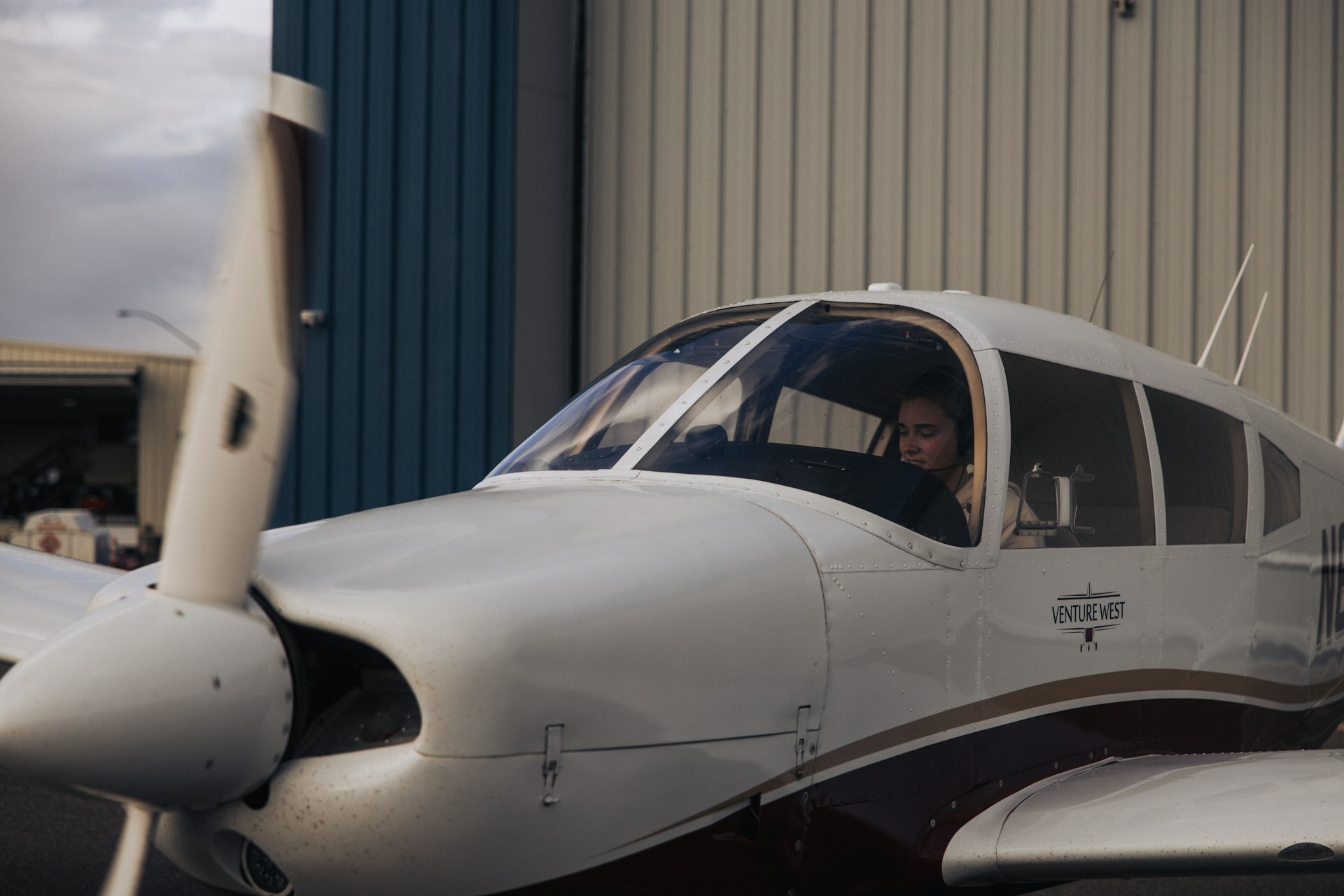
For many people, flying begins as a fascination long before it becomes a profession. Building a pilot career, however, requires more than enthusiasm. Aspiring aviators need disciplined training, sound judgment, financial planning, and a clear understanding of aviation’s demanding professional standards. The path can take years, yet each stage builds skills that support safer and more capable pilots. With thoughtful preparation, students can turn early ambition into a sustainable career above the clouds. Careful planning also helps candidates manage setbacks, protect training momentum, and make informed choices as new opportunities emerge.
Choosing the Right Path Into Professional Aviation
Aviation offers several career routes, so future pilots should first define what kind of flying interests them. Some aim for airlines, while others prefer cargo, charter, corporate, agricultural, or instructional work. Military aviation also provides a distinct route for qualified candidates. Each path has different training expectations, schedules, responsibilities, and long-term opportunities. Therefore, early research helps students choose goals that match their abilities and preferred lifestyle.
A strong pilot career plan should also consider cost, location, and training pace. Full-time flight schools may offer structured progress, while local programs can provide greater scheduling flexibility. However, students should compare instructor availability, aircraft condition, safety culture, and graduate outcomes before enrolling. A polished website alone cannot reveal training quality. Speaking with current students can provide valuable perspective before making a major financial commitment.
Building a Strong Foundation Through Flight Training
Professional flight training develops technical ability alongside habits that protect passengers, crews, and aircraft. Students learn aircraft control, navigation, weather interpretation, regulations, radio communication, and emergency procedures. Just as importantly, instructors teach decision-making under changing conditions. Good pilots do not simply manipulate controls well. They constantly evaluate risk, anticipate problems, and know when a flight should be delayed.
Progress usually depends on consistent practice rather than rushing through lessons. Long gaps between flights can weaken skills and increase overall training costs. Therefore, students benefit from realistic schedules and dependable study routines. Simulator sessions can reinforce procedures, while ground study strengthens knowledge before practical application. Over time, repeated practice turns individual tasks into coordinated cockpit habits.
Earning Pilot Licenses and Valuable Experience
Pilot licenses and ratings mark important stages, but certificates alone do not create professional readiness. Requirements vary by country and career path, so students must understand the rules governing their intended work. Many civilian pilots progress through private, instrument, commercial, and multi-engine qualifications. Later, additional credentials may support airline, instructor, or specialized flying opportunities.
After earning commercial privileges, pilots often focus on building flight hours and broader operational experience. Flight instruction is one common route because it develops communication, awareness, and procedural discipline. Other pilots gain experience through surveying, charter operations, or other eligible commercial roles. Still, pilots should value quality alongside quantity. Diverse weather, airports, aircraft, and operational situations can sharpen judgment when approached safely.
Developing Skills Beyond the Cockpit
Aviation employers evaluate more than logbooks. They also look for professionalism, communication, teamwork, reliability, and sound aeronautical decision-making. Modern flight crews operate within systems where coordination matters greatly. Consequently, a pilot who communicates clearly can reduce confusion and support safer operations. Respectful teamwork also becomes essential during abnormal situations, when stress can quickly expose weak habits.
Physical and mental readiness deserve equal attention throughout an aviation career. Pilots must meet applicable medical standards and manage fatigue responsibly. They should also protect sleep, fitness, and concentration as seriously as technical proficiency. Meanwhile, recurrent study keeps knowledge current as procedures and technology evolve. A successful aviator remains a student throughout an entire career.
Creating Connections and Career Momentum
Networking can open doors, but genuine professional relationships matter more than collecting contacts. Students can meet instructors, examiners, recruiters, maintenance professionals, and working pilots through aviation communities. These conversations often reveal realistic expectations about hiring, schedules, and workplace culture. In addition, mentors can help younger pilots recognize mistakes before those mistakes become expensive career setbacks.
A clear professional record also strengthens job prospects. Pilots should maintain accurate logbooks, prepare focused resumes, and practice technical interviews before opportunities appear. Employers may closely review training history, judgment, and consistency. Therefore, candidates should treat every training flight and entry-level role as part of their reputation. Aviation is a relatively connected industry, and professional conduct travels far.
Turning Aviation Training Into a Lasting Career
The transition from student pilot to working aviator rarely follows a perfectly straight line. Hiring cycles change, training delays happen, and personal finances can alter timelines. Resilient pilots adjust without abandoning safety or professional standards. They continue learning, seek constructive feedback, and make measured decisions instead of chasing shortcuts. That approach creates durable progress even when opportunities temporarily slow.
Ultimately, building a pilot career means combining skill with patience, responsibility, and purposeful growth. Flight training provides the foundation, while experience turns knowledge into dependable judgment. Strong communication and professional relationships further expand future options. Most importantly, aspiring aviators should measure progress by competence rather than speed. A career in the air is built flight by flight, with each decision shaping the pilot who eventually takes command.