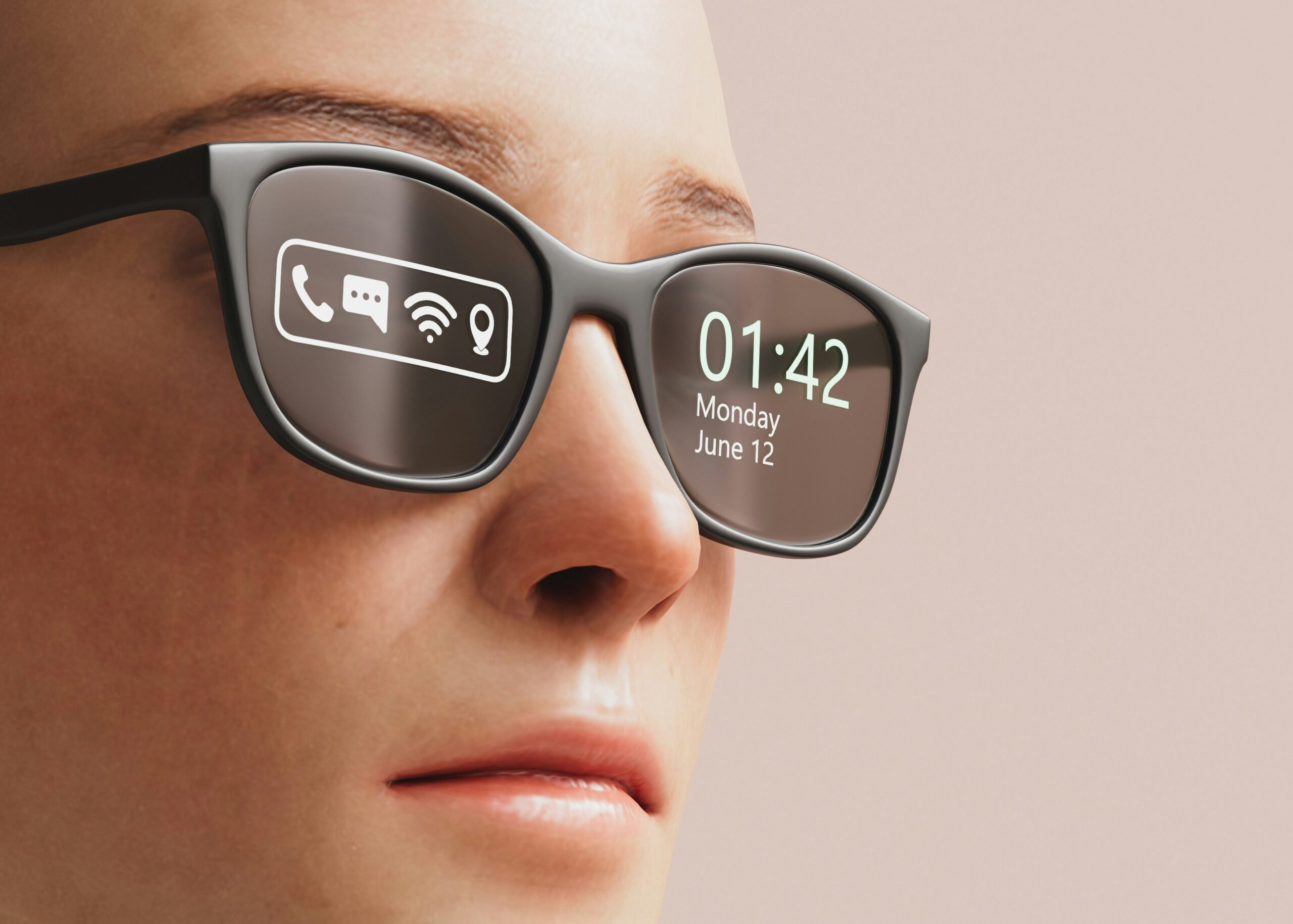
Technology is changing how people protect their vision and manage their eye health. Smart glasses, mobile applications, and digital eye care tools are creating new ways to monitor vision, access information, and connect with eye care professionals. These innovations can make eye care more convenient and help people understand their vision needs. As digital technology continues to develop, patients and providers have more opportunities to make informed decisions about eye health.
Smart glasses are an important part of this change. Depending on the model, they can display digital information, capture images, provide audio guidance, or connect with mobile devices. Some advanced systems also support vision assistance and specialized medical applications. These features can help people with certain visual challenges and support professionals during eye examinations. However, smart glasses do not replace comprehensive eye exams or professional medical advice. Their greatest value comes from combining useful technology with proper eye care.
How Smart Glasses Support Everyday Vision
Smart glasses can offer practical assistance to people who need visual support in their daily lives. Some devices use cameras, voice commands, and audio descriptions to help users recognize objects, read signs, or navigate familiar environments. These functions may benefit people with low vision by making certain activities easier to manage. Other models provide hands-free access to messages, navigation instructions, and digital information, allowing users to interact with technology without constantly looking at a phone.
The benefits depend on the device’s features and the user’s needs. Smart glasses designed for everyday convenience may not provide the same support as specialized low-vision devices. Users should consider comfort, battery life, display quality, and accessibility before choosing a product. They should also understand the device’s limitations, especially when navigating unfamiliar places or identifying potential hazards. Smart glasses can improve access to information, but users must remain aware of their surroundings and follow appropriate safety practices.
Digital Tools Make Eye Health Monitoring Easier
Digital tools are also changing how people track and manage their eye health. Mobile applications can send reminders for eye appointments, help users record symptoms, and provide educational information about common eye conditions. Some applications offer basic vision screening activities that may help identify a possible need for further evaluation. These tools can encourage people to pay closer attention to changes in their eyesight and seek professional care when necessary.
However, digital vision screening is not the same as a complete eye examination. A smartphone application cannot reliably detect every eye condition or replace tests performed by a qualified eye care professional. Users should also check the reliability of health information and understand how an application collects and stores personal data. When people use digital tools as part of a broader eye care routine, they can organize important information and communicate more effectively with their providers.
Artificial Intelligence and Modern Eye Examinations
Artificial intelligence is becoming an important part of modern eye care. Certain AI systems can analyze retinal images and identify patterns associated with specific eye diseases. Depending on the system and its approved use, this technology may help professionals screen for conditions such as diabetic retinopathy. Automated image analysis can support clinical decisions and help identify patients who need additional testing or specialist attention.
Even with these advances, human expertise remains essential. AI tools can produce inaccurate results, and their performance may vary depending on image quality, patient characteristics, and the condition being assessed. Eye care professionals must interpret results alongside medical history, symptoms, and other examination findings. Responsible use of AI also requires appropriate data protection and clinical oversight. When providers use these tools carefully, technology can support more efficient screening while keeping patient safety at the center of care.
Reducing Digital Eye Strain in a Screen-Focused World
As people spend more time using phones, computers, and wearable displays, digital eye strain has become an important concern. Long periods of screen use can contribute to tired eyes, dryness, headaches, and temporary blurred vision. People may also blink less frequently while concentrating on digital content, which can increase eye discomfort. Smart glasses do not automatically prevent these problems. Some displays may create additional discomfort if users do not adjust them properly or take regular breaks.
Healthy screen habits remain important regardless of the device. People can follow the 20-20-20 rule by looking at something about 20 feet away for 20 seconds every 20 minutes. Adjusting screen brightness, reducing glare, maintaining a comfortable viewing distance, and taking regular breaks may also help. Users should choose wearable displays that fit comfortably and follow the manufacturer’s guidance. Persistent pain, frequent headaches, or lasting vision changes deserve professional attention rather than relying on digital adjustments alone.
Personalized Eye Care Through Connected Devices
Connected devices can help people take a more active role in managing their vision. Some wearable technologies collect information about usage patterns, while other digital systems help patients share relevant details with eye care providers. In certain settings, remote consultations and digital follow-ups can make it easier for patients to discuss concerns and receive guidance without traveling to a clinic. These options may be particularly useful for people who face transportation challenges or live far from eye care services.
Personalized eye care also depends on responsible data management. Vision records, retinal images, and other health information require appropriate privacy protections. Before using a connected device or application, people should review its privacy settings and understand what information it collects. Providers should explain how they use digital tools and when an in-person examination remains necessary. Technology can improve convenience, but patients need clear information and meaningful control over their health data.
The Future of Smart Glasses and Eye Health
The future of eye care may bring more advanced smart glasses, improved vision assistance, and stronger connections between wearable devices and medical services. Developers are exploring ways to make displays more comfortable, improve accessibility, and provide more useful information in real time. As these technologies mature, they may support new approaches to vision rehabilitation, patient education, and clinical care. Their practical impact will depend on scientific evidence, affordability, usability, and access to reliable professional support.
Ultimately, smart glasses and digital tools are most effective when they complement established eye care practices. Regular comprehensive eye exams, appropriate eyewear, healthy screen habits, and timely medical attention remain essential for protecting vision. Consumers should evaluate new devices carefully and avoid treating marketing claims as proof of medical benefits. By combining responsible technology use with professional guidance, people can make better-informed decisions and support their long-term eye health.