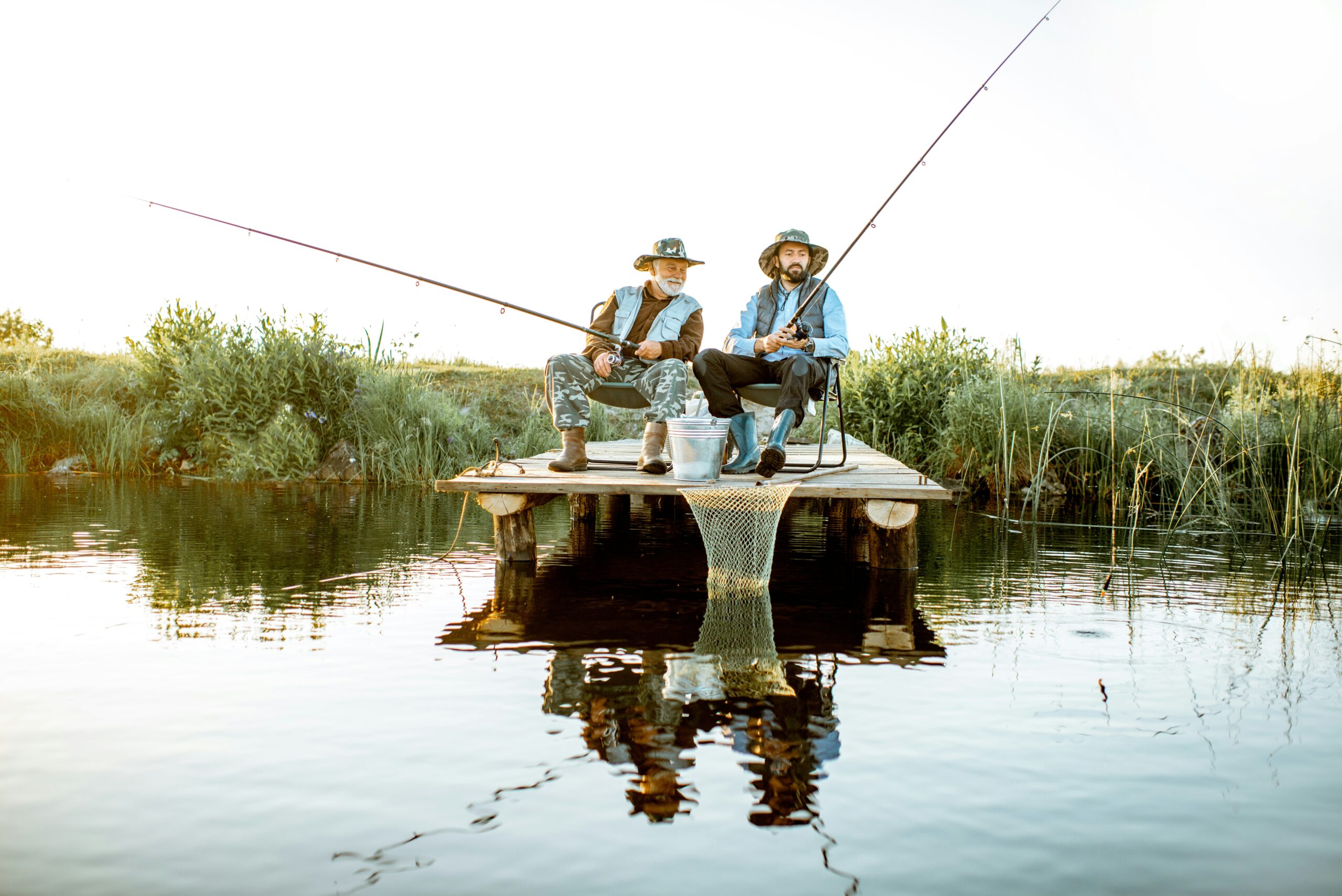
Hunting and fishing offer some of the most rewarding ways to experience the outdoors. Instead of simply observing nature from a distance, outdoor enthusiasts become part of the landscape. They learn to read changing weather, recognize animal behavior, understand water conditions, and make thoughtful decisions. Moreover, these activities provide a welcome escape from crowded schedules and constant digital distractions.
At the same time, successful hunting and fishing adventures require more than enthusiasm. Preparation, patience, safety, and respect for wildlife all play important roles. Therefore, anyone planning an outdoor trip should understand the basics before heading into the field or onto the water.
Preparing for an Outdoor Adventure
Good preparation can make the difference between an enjoyable trip and a frustrating experience. First, outdoor enthusiasts should research the destination, local climate, terrain, wildlife, and expected conditions. Hunters should understand the species they plan to pursue, while anglers should learn which fish live in the chosen waters. Additionally, checking weather forecasts helps travelers select suitable clothing and equipment.
Every trip also requires reliable gear. Hunters may need appropriate clothing, navigation equipment, optics, and legally permitted hunting equipment. Anglers usually need rods, reels, tackle, bait, and other fishing essentials. However, carrying too much equipment can become a burden. Therefore, travelers should focus on practical items that match the location, season, and planned activity.
Choosing the Right Hunting Destination
A great hunting destination combines healthy wildlife populations, suitable habitat, legal access, and manageable terrain. For example, forests may offer deer hunting opportunities, while wetlands can attract various game birds. Meanwhile, open landscapes may offer completely different challenges. As a result, hunters should choose locations based on their experience, physical ability, and preferred type of hunt.
In addition, hunters must understand local laws before entering the field. Seasons, licenses, permits, hunting methods, and bag limits can vary significantly between jurisdictions. Therefore, checking current regulations through the appropriate wildlife authority remains essential. Responsible hunters also respect property boundaries and obtain permission whenever private land access requires it.
Finding the Perfect Fishing Location
Fishing destinations can range from quiet ponds and mountain streams to large lakes, rivers, and coastal waters. However, each environment requires a different approach. Freshwater anglers may pursue bass, trout, catfish, or other regional species. Meanwhile, saltwater fishing can offer opportunities to target larger species in bays, coastal areas, or offshore waters.
Anglers should also study water temperature, depth, structure, weather, and seasonal fish movement. Fish often gather around vegetation, submerged structures, drop-offs, or areas with reliable food sources. Understanding the water can improve your chances of success. Even when fish remain difficult to catch, however, the peaceful surroundings often make the experience worthwhile.
Building Skills Through Patience and Observation
Hunting rewards people who learn to observe small details. Tracks, feeding signs, movement patterns, wind direction, and natural cover can reveal valuable information about wildlife. As a result, skilled hunters often spend considerable time watching and listening before deciding. Patience matters because rushing can create unnecessary noise or cause hunters to miss important clues.
Similarly, fishing develops patience and adaptability. An angler may begin with one lure or technique and discover that changing conditions require another approach. Therefore, successful anglers pay attention to water clarity, weather, fish activity, and presentation. Over time, these observations build practical knowledge that no equipment upgrade can completely replace.
Making Safety a Priority
Safety should guide every hunting and fishing adventure. Hunters need to identify targets clearly, understand what lies beyond them, and follow all applicable firearm or archery safety practices. They should also tell someone where they plan to go and when they expect to return. Carrying communication equipment, navigation tools, water, basic first-aid supplies, and emergency essentials can also reduce risks.
Likewise, anglers need to consider hazards around water. Life jackets become especially important when fishing from boats, kayaks, or areas with dangerous currents. Slippery rocks, sudden storms, strong sunlight, and changing temperatures can also create unexpected problems. Because outdoor conditions can shift quickly, careful planning and good judgment should always take priority.
Respecting Wildlife and Natural Habitats
Responsible outdoor recreation depends on conservation. Hunters and anglers should follow legal harvest limits because wildlife agencies use regulations to help manage animal and fish populations. Moreover, ethical participants avoid unnecessary disturbance and take only what regulations permit. These habits can support healthier ecosystems and help maintain outdoor opportunities for future generations.
At the same time, everyone should protect the places they visit. Packing out trash, reducing damage to vegetation, respecting wildlife habitat, and preventing water pollution can make a meaningful difference. Additionally, anglers should follow local rules concerning catch-and-release practices and invasive species. Responsible behavior allows people to enjoy nature while helping preserve it.
Enjoying More Than the Harvest
Hunting and fishing adventures offer benefits that extend beyond bringing home game or catching fish. For many people, the real reward comes from watching a sunrise over the water, walking through a quiet forest, or sharing a camp with friends and family. Furthermore, these moments create lasting memories that often become more meaningful than the final result.
Ultimately, hunting and fishing encourage people to slow down and reconnect with the natural world. Preparation builds confidence, patience improves skill, and responsible practices protect valuable resources. Therefore, whether someone spends the day beside a peaceful lake or explores remote hunting country, the experience can provide adventure, challenge, and a deeper appreciation for the outdoors.