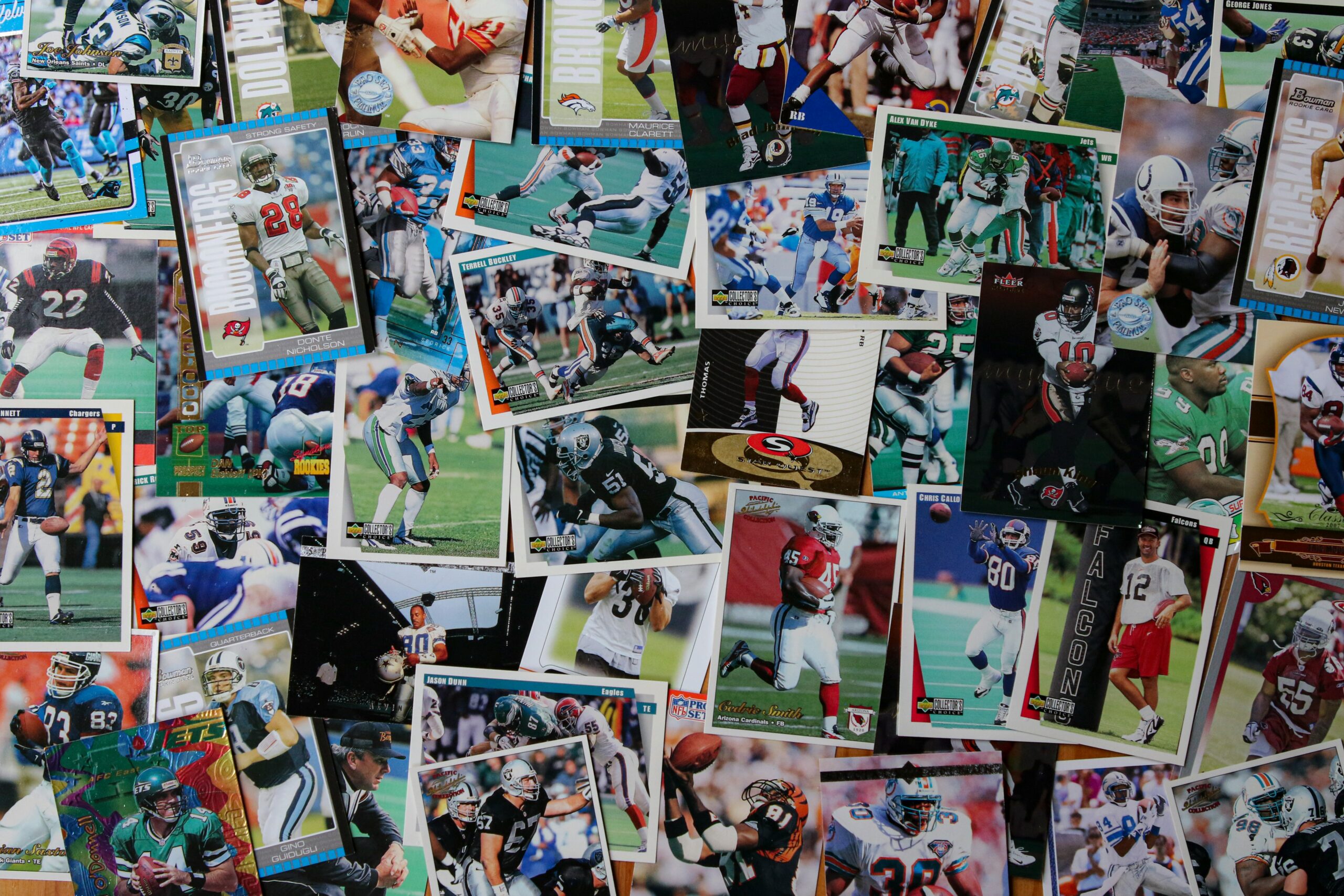
Sports card collecting has changed dramatically over the years. What began as a simple childhood activity has grown into a worldwide hobby with strong financial interest. Many people once collected cards because they loved sports, admired famous athletes, or enjoyed trading with friends. Today, collectors also study market trends, evaluate rare finds, and build collections that may become valuable assets.
The rise of sports card collecting shows how personal interests can develop into serious markets. Collectors now view cards as pieces of sports history that carry emotional and financial value. A single card can represent an athlete’s early career, a historic achievement, or a memorable moment that fans want to preserve.
Moreover, technology and global access have helped expand the sports card market. Online marketplaces, digital pricing tools, and social communities allow collectors to research, buy, and sell cards more easily. As a result, more people recognize collectible sports cards as opportunities that combine passion with investment potential.
The Early Days of Sports Cards as Childhood Treasures
Sports card collecting started as a fun activity for young sports fans. Children often collected cards featuring their favorite players and teams, traded duplicates with classmates, and followed player statistics printed on the back of each card. During these early years, the main goal was enjoyment rather than financial gain.
However, these childhood collections often became valuable over time. Many older cards survived because collectors protected them carefully and preserved them for future generations. As sports history gained more attention, fans began recognizing the importance of these cards as cultural artifacts.
Furthermore, nostalgia became a major force behind the growth of the hobby. Adults who collected cards during childhood often returned to the activity later in life. They wanted to reconnect with meaningful memories while exploring the possibility that their old collections could hold significant value.
How Sports Cards Became Valuable Collectibles
The transition from hobby to financial asset happened because collectors started paying closer attention to what makes certain cards valuable. Factors such as rarity, condition, athlete popularity, and historical importance began influencing prices. As demand increased, the sports card collecting market became more organized and competitive.
Rare sports cards gained attention because they offered something unique. Limited production, special editions, rookie releases, and historically important cards became highly desirable among collectors. When demand increased while supply remained limited, these cards often gained higher market value.
Additionally, professional grading services changed the way collectors viewed card quality. These companies created systems to evaluate condition and authenticity. Because of this, buyers gained more confidence when purchasing expensive cards, and sellers could better demonstrate the value of their collections.
The Role of Legendary Athletes in Sports Card Value
Athletes have always played a central role in determining the popularity of sports cards. Cards featuring legendary players often attract strong interest because fans connect these athletes with unforgettable achievements. A card becomes more meaningful when it represents a player who changed the history of a sport.
Rookie cards often receive special attention because they capture the beginning of an athlete’s professional journey. When a player develops into a superstar, early cards can become highly sought after. Collectors often search for these cards because they represent the starting point of a remarkable career.
Moreover, an athlete’s influence extends beyond statistics. Some players become cultural icons because of their leadership, personality, or impact on fans. Therefore, their cards may maintain long-term demand because collectors value the story and legacy behind them.
The Growth of Sports Card Investing
Sports card investing has become an important part of the modern collecting world. Many collectors now approach the hobby with a strategy similar to other investment activities. They research market trends, analyze player performance, and look for cards that may increase in value over time.
However, successful sports card investment requires patience and knowledge. Collectors must understand that prices can change based on demand, economic conditions, and athlete popularity. Therefore, smart investors focus on long-term value rather than short-term excitement.
In addition, sports card investing allows people to combine financial goals with personal interests. Unlike traditional assets, cards provide a connection to sports history. Investors can enjoy owning meaningful collectibles while also exploring potential financial opportunities.
Technology’s Impact on the Sports Card Market
Technology has transformed sports card collecting in many ways. In the past, collectors depended mostly on local shops, printed price guides, and in-person events. Today, digital platforms provide instant access to global markets and valuable information.
Online marketplaces have made it easier for collectors to find rare sports cards from different regions. Buyers can compare prices, review sales history, and communicate with sellers without geographical limitations. As a result, the hobby has become more accessible for beginners and experienced collectors alike.
Furthermore, social media has introduced sports card collecting to new audiences. Collectors share their collections, discuss market changes, and showcase valuable discoveries online. These communities encourage more people to explore the hobby and learn about collectible sports cards.
Building a Valuable Sports Card Collection
Creating a valuable collection requires planning, research, and patience. Successful collectors often develop a clear focus instead of purchasing random cards. Some focus on specific athletes, sports, teams, or historical periods that interest them.
A strong collection usually includes cards with lasting appeal. Collectors often consider factors such as athlete reputation, rarity, condition, and market demand before making purchases. By understanding these elements, collectors can make more informed decisions.
Additionally, protecting cards is essential for maintaining value. Proper storage, careful handling, and professional grading can help preserve condition. A well-maintained collection has a better chance of maintaining its appeal among future buyers and collectors.