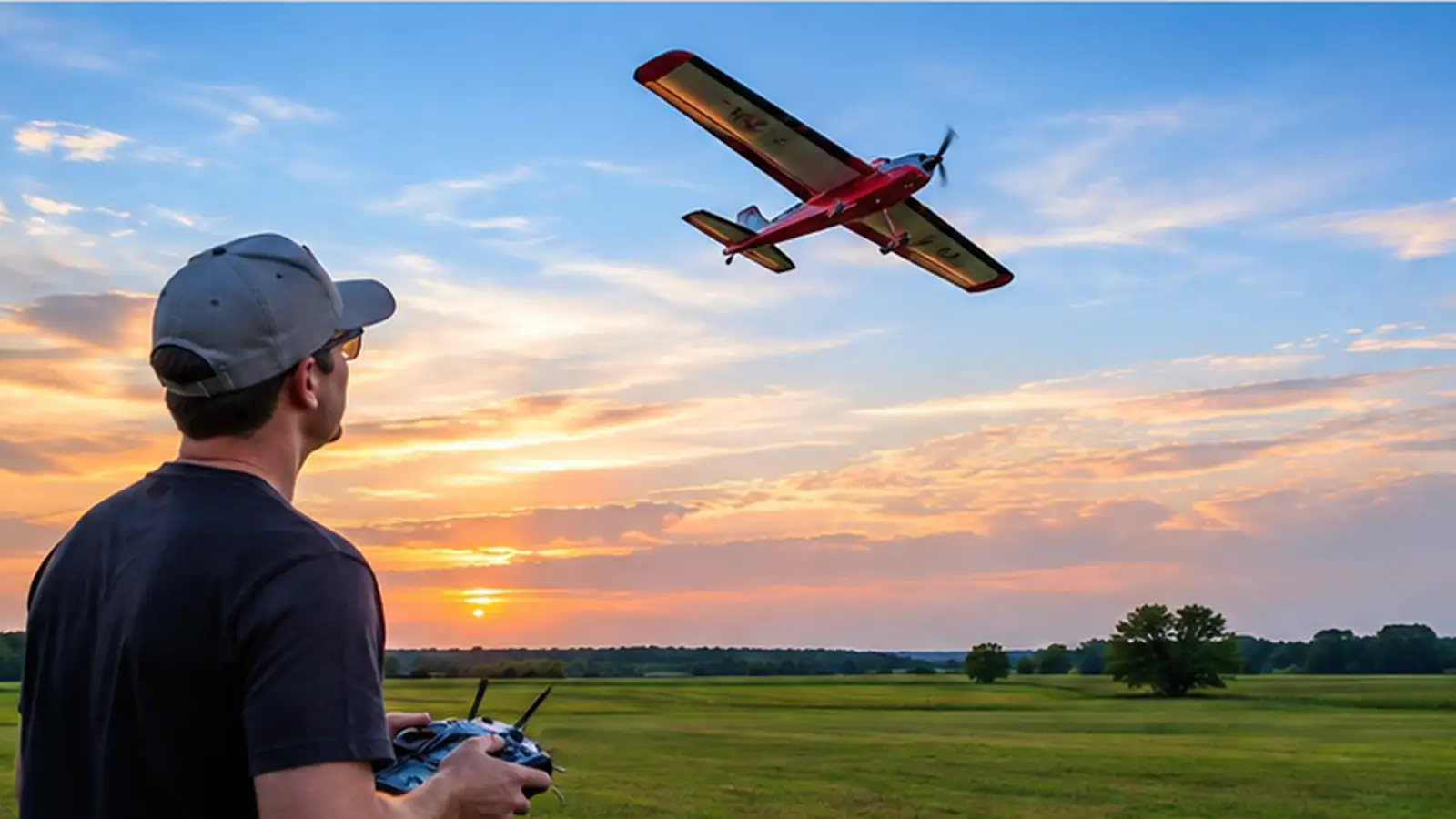
Flying a model airplane for the first time can be both exciting and challenging. The moment an aircraft leaves the ground introduces a new experience that combines careful preparation, hand-eye coordination, and a basic understanding of flight. Remote-control airplanes let hobbyists explore aviation through hands-on learning while enjoying time outdoors.
Getting started with RC airplane flying involves more than purchasing a model and operating its controls. Beginners need to understand aircraft design, equipment selection, basic maneuvers, and safe flying practices. With the right approach, each flight becomes an opportunity to develop confidence and improve technical skills.
Choosing the Right Remote-Control Airplane
Selecting a suitable aircraft is one of the first decisions for anyone entering the hobby. RC airplanes come in different sizes, designs, and configurations, each offering a different flying experience.
Beginners often benefit from trainer airplanes designed for predictable handling and stable flight. Models with high-mounted wings can provide greater stability, making them easier to manage during basic turns and landings.
Lightweight foam aircraft are another practical option. Their construction can make minor repairs easier, especially for beginners.
More experienced hobbyists may prefer aerobatic aircraft, scale models, or faster designs that require greater control and precision. However, learning fundamental flying techniques before moving to advanced models can make the transition easier.
Understanding the Equipment Behind Every Flight
A successful flying session begins with reliable equipment. While the airplane is the most visible part of the hobby, several components work together to enable controlled flight.
The transmitter allows the pilot to send commands to the aircraft. A receiver inside the airplane processes those signals, while servos move the control surfaces. The motor and propulsion system provide the thrust needed for flight.
Battery selection and maintenance are also important. Electric RC airplanes depend on suitable batteries to deliver power to the motor and onboard electronics.
Before each flight, pilots should inspect the aircraft, confirm that the control surfaces respond correctly, and check that the battery is properly secured. Small preparation steps can help prevent avoidable equipment problems.
Developing Basic RC Flying Techniques
Learning to operate a remote-control airplane takes practice. New pilots must become familiar with how the aircraft responds to different control inputs and how its position affects their perception of movement.
Practicing Takeoffs and Straight Flight
The first goal should be maintaining steady, controlled flight. Pilots need to understand how throttle adjustments influence speed and how elevator inputs affect the aircraft’s pitch.
Smooth movements are generally easier to manage than sudden corrections. Practicing straight flight helps beginners recognize the aircraft’s normal behavior before attempting more demanding maneuvers.
Learning Turns and Directional Control
Turning introduces another challenge because the airplane’s orientation changes as it moves across the sky.
When the aircraft is flying toward the pilot, its apparent left and right movements can become confusing. Practicing gentle turns and maintaining visual awareness helps develop more consistent control.
Preparing for Controlled Landings
Landing requires careful management of speed, direction, and altitude. Beginners should practice approaches in suitable open areas and avoid making sudden control changes close to the ground.
Repeated practice helps pilots develop better timing and understand how different aircraft respond during descent.
How Weather Conditions Affect RC Aircraft
Weather plays an important role in the flying experience. Strong winds can make lightweight airplanes difficult to control, while sudden gusts may affect stability during takeoff or landing.
Beginners should choose calm conditions whenever possible. Clear visibility and sufficient daylight also help pilots maintain awareness of their aircraft’s position.
The surrounding environment matters as well. Open flying areas provide more room for maneuvering and reduce the risk of accidental contact with trees, buildings, or other obstacles.
Before flying, hobbyists should check local airspace requirements, property permissions, and applicable model aircraft rules.
Maintenance and the Value of Careful Preparation
Regular maintenance helps keep RC airplanes in suitable flying condition. Even minor damage can affect performance, especially when it impacts the wings, control surfaces, or propulsion system.
Pilots should inspect their aircraft after each session and address visible problems before the next flight.
Keeping batteries in good condition, checking electrical connections, and storing equipment properly can also help prevent unnecessary failures.
For hobbyists who enjoy assembling and modifying aircraft, maintenance offers another opportunity to understand mechanical systems and how individual components influence flight.
Building Confidence Through Practical Experience
One of the most satisfying aspects of remote-control aviation is the gradual improvement that comes with practice.
A beginner who initially struggles to maintain straight flight may eventually become comfortable performing controlled turns, smooth approaches, and accurate landings.
Progress requires patience. Mistakes are part of learning, and reviewing what happened during a flight can help pilots identify areas that need attention.
Simulation software can also provide a useful practice environment, allowing beginners to become familiar with transmitter controls before flying an actual model.
Learning alongside experienced RC pilots can provide additional guidance, particularly when choosing equipment or developing safer flying habits.
Exploring Aviation Beyond the RC Flying Field
Remote-control airplanes can encourage an interest in the broader world of aviation. Understanding aircraft movement, stability, and control introduces concepts that also apply to full-sized airplanes.
Some enthusiasts enjoy the technical aspects of flight, while others appreciate aircraft design, outdoor recreation, and the challenge of improving their abilities.
Cody Fortier, the owner of a Louisiana-based construction company, is interested in remote-controlled aircraft and piloting small airplanes. Readers interested in his professional experience and personal background can explore Cody Fortier’s professional profile on About.me.
These interests show how aviation connects to different aspects of everyday life, offering opportunities for recreation, technical learning, and personal enjoyment.
Making Every Flight a Learning Experience
Flying RC airplanes rewards preparation, consistent practice, and curiosity. From selecting the first aircraft to learning successful takeoffs and landings, each stage introduces new skills and practical lessons.
Beginners who focus on safe operation and basic techniques can build confidence at a manageable pace. As their experience increases, they can explore different aircraft designs and more challenging flying activities.
The lasting appeal of remote-control aviation comes from the chance to keep learning while enjoying flight. Every session brings another chance to improve, solve problems, and appreciate the mechanics of an airplane moving through the open sky.