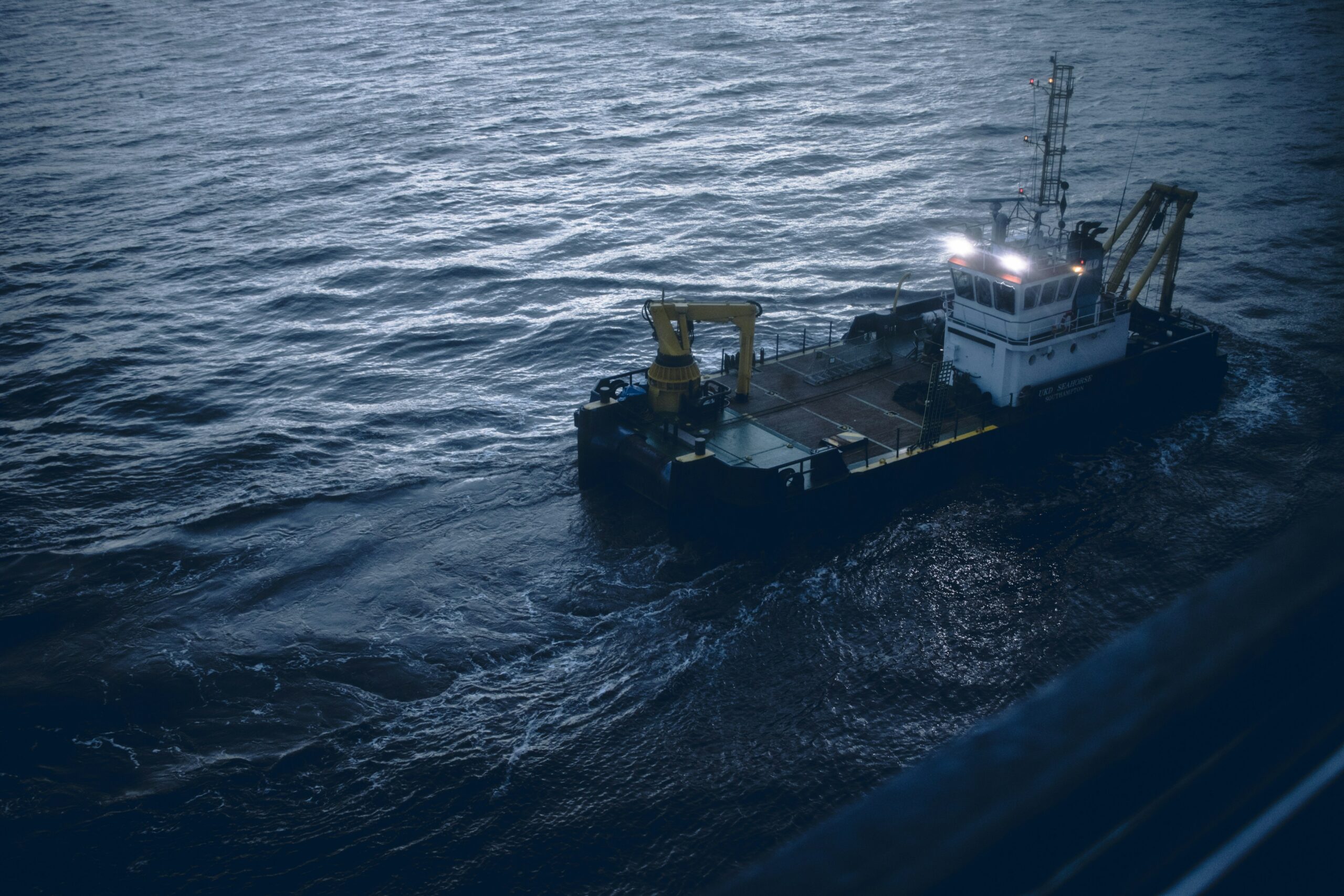
Marine construction is an important part of modern infrastructure development. It involves building structures in oceans, rivers, lakes, and coastal areas to support transportation, shipping, energy production, and waterfront development. Unlike traditional construction, marine construction requires special equipment, skilled workers, and advanced engineering techniques because projects take place in challenging water environments. From underwater foundations to offshore platforms, marine construction solutions help engineers create strong and reliable structures that can withstand waves, currents, and changing weather conditions. As coastal development continues to grow, innovative technologies and sustainable construction methods are making marine projects safer, more efficient, and environmentally responsible.
Understanding Marine Construction and Its Importance
Marine construction refers to the planning, building, repairing, and maintaining of structures located in or near water. These projects include bridges, ports, harbors, docks, piers, seawalls, breakwaters, underwater pipelines, and offshore energy facilities. Each structure serves a specific purpose and requires careful engineering to ensure long-term stability. For example, ports support international trade, while seawalls help protect coastal communities from erosion and wave damage. Marine construction also plays an important role in renewable energy development by supporting offshore wind farms and other energy infrastructure. As demand for reliable coastal facilities increases, advanced construction techniques have become essential for completing projects successfully.
Major Challenges in Marine Construction Projects
Marine construction projects face several challenges that make them more complicated than land-based construction. Water movement, unpredictable weather, underwater soil conditions, and limited accessibility can affect both construction schedules and structural safety. Strong waves and currents may interrupt operations, while changing tides can limit the time available for certain activities. Additionally, working underwater requires specialized equipment and safety procedures. Engineers must carefully analyze these conditions before beginning a project. Proper planning, detailed site investigations, and modern marine engineering techniques can help reduce risks and improve overall construction performance.
Weather Conditions and Their Impact on Construction
Weather is one of the most unpredictable factors affecting marine construction. Heavy rainfall, powerful winds, storms, and rough seas can delay construction activities and create dangerous working conditions. Changes in water levels and tidal movement can also affect equipment positioning and underwater installation work. Construction companies often use advanced weather forecasting systems to monitor upcoming conditions and adjust their schedules. By combining accurate forecasts with flexible project planning, teams can reduce delays and protect workers. Understanding local weather patterns is especially important for large offshore projects where access to the construction site may be limited during severe conditions.
Corrosion and Durability of Marine Structures
One of the biggest concerns in marine construction is the long-term durability of materials exposed to saltwater and moisture. Saltwater accelerates corrosion in steel and can contribute to deterioration in reinforced concrete structures. Over time, these problems may weaken foundations, support systems, and other important components. Engineers address these challenges by selecting corrosion-resistant materials, applying protective coatings, and using specially designed concrete mixtures. Regular inspection and preventive maintenance also help identify damage before it becomes serious. Choosing durable materials during the early design stage can significantly reduce future repair expenses and extend the service life of marine infrastructure.
Advanced Technologies Improving Marine Construction
Modern technology is changing how marine structures are designed, installed, and maintained. Digital planning tools, underwater robotics, automated equipment, and advanced monitoring systems are helping construction teams complete complicated tasks with greater accuracy. Remotely operated underwater vehicles can inspect submerged structures without requiring workers to enter dangerous environments. Digital modeling software also helps engineers identify possible design problems before construction begins. These underwater construction technologies improve efficiency while reducing unnecessary risks. As equipment becomes more advanced, companies can complete challenging marine projects with better precision and stronger quality control.
Prefabrication and Modular Construction Methods
Prefabrication and modular construction have become valuable techniques for marine infrastructure development. Instead of building every structural component directly over water, engineers manufacture selected sections in controlled facilities and transport them to the project site for installation. This process can improve material quality, reduce on-site labor, and shorten construction schedules. Prefabricated bridge sections, floating platforms, and concrete components are commonly used in suitable marine projects. Modular methods also allow different construction activities to happen simultaneously, improving coordination between teams. Although transportation and installation require careful planning, prefabrication can offer significant advantages for projects facing difficult environmental conditions.
Underwater Robotics and Remote Inspection Systems
Underwater robotics has created new opportunities for safer and more accurate marine construction activities. Remotely operated vehicles, commonly called ROVs, use cameras, sensors, and specialized equipment to inspect structures below the water’s surface. These machines can examine bridge foundations, offshore platforms, pipelines, and submerged support systems. They are particularly useful in deep water or locations where human diving would involve significant risks. Some underwater robots can also collect measurements and create detailed images that help engineers evaluate structural conditions. As robotic technology continues to improve, these systems are becoming increasingly useful for inspection, monitoring, and maintenance operations.
Sustainable Marine Construction and Environmental Protection
Environmental sustainability is an essential consideration in modern marine construction. Construction activities can affect aquatic habitats through underwater noise, sediment movement, water pollution, and changes to natural coastal conditions. To reduce these impacts, engineers are adopting sustainable marine building practices that focus on environmental protection and responsible resource use. These methods include selecting lower-impact materials, controlling sediment movement, reducing unnecessary underwater noise, and carefully scheduling construction near sensitive habitats. Some projects also incorporate living shorelines and nature-based coastal protection systems. Sustainable approaches help balance infrastructure development with the need to protect marine ecosystems for future generations.
Importance of Strong Foundations in Marine Structures
A stable foundation is essential for the safety and performance of any marine structure. Unlike land-based projects, marine foundations must often support heavy loads while resisting constant water movement and changing seabed conditions. Engineers conduct geotechnical investigations to understand underwater soil layers, sediment strength, and potential erosion risks. Depending on the project, they may use driven piles, drilled foundations, or gravity-based support systems. Scour, which occurs when flowing water removes sediment around foundations, is another important concern. Proper foundation design and protective measures help reduce the risk of structural movement or failure. Strong foundations allow marine infrastructure to remain stable under demanding environmental conditions.
The Role of Digital Modeling and Smart Monitoring
Digital technologies are helping marine engineers improve project planning and structural maintenance. Building Information Modeling, commonly known as BIM, allows project teams to create detailed digital representations of structures before construction begins. These models improve coordination, identify potential design conflicts, and support more accurate planning. Smart sensors provide additional benefits by monitoring vibration, movement, pressure, and environmental conditions after installation. Engineers can use this information to identify unusual structural behavior and schedule maintenance more effectively. Digital monitoring systems are especially valuable for large bridges, offshore platforms, and port facilities where regular physical inspections may be difficult or expensive.
Marine Construction and Coastal Infrastructure Development
Marine construction supports economic development by creating infrastructure that connects communities and strengthens transportation networks. Ports and harbors allow ships to move products between countries, while bridges and waterfront transportation systems improve regional connectivity. Coastal protection structures help reduce certain risks associated with erosion, storm waves, and flooding. Offshore construction also supports energy production and industrial activities. However, infrastructure development must account for environmental conditions, future maintenance costs, and changing coastal risks. Careful planning ensures that marine facilities provide long-term benefits while remaining safe and functional. Continued investment in coastal infrastructure development will be important as waterfront communities and maritime industries evolve.
Future Innovations in Marine Construction
The future of marine construction will be influenced by automation, artificial intelligence, advanced materials, and improved environmental engineering. Automated equipment may help complete repetitive construction tasks with greater consistency, while artificial intelligence can support project planning and structural data analysis. Digital twins, which are virtual models connected to information from actual structures, may help engineers understand performance and predict maintenance requirements. Researchers are also developing more durable materials and lower-carbon construction methods. At the same time, rising sea levels and changing storm patterns are encouraging engineers to design more resilient coastal infrastructure. These innovations will help the industry respond to new environmental and technical challenges.
Choosing the Right Marine Construction Approach
Selecting an appropriate construction method is important for achieving a successful marine project. Engineers must consider water depth, soil conditions, structural requirements, environmental regulations, weather patterns, and available equipment. For example, prefabricated components may be suitable for projects requiring shorter installation periods, while specialized underwater construction methods may be necessary for deep-water foundations. Project owners should also evaluate maintenance requirements and long-term operating costs before selecting materials and structural systems. Experienced engineering teams can compare different solutions and develop practical construction plans. A well-designed approach helps improve safety, reduce unexpected expenses, and ensure dependable structural performance.
Marine construction is a vital industry that supports transportation, coastal protection, offshore energy, and global commerce. However, building in water presents unique challenges involving weather, corrosion, underwater access, environmental protection, and structural stability. Modern technologies such as underwater robotics, modular construction, digital modeling, and smart monitoring are helping engineers overcome these difficulties. Sustainable marine construction solutions are also becoming increasingly important as developers work to protect aquatic environments while meeting infrastructure needs. By combining innovative engineering methods with careful planning and responsible construction practices, the industry can create durable marine structures that support economic development and coastal communities for many years.