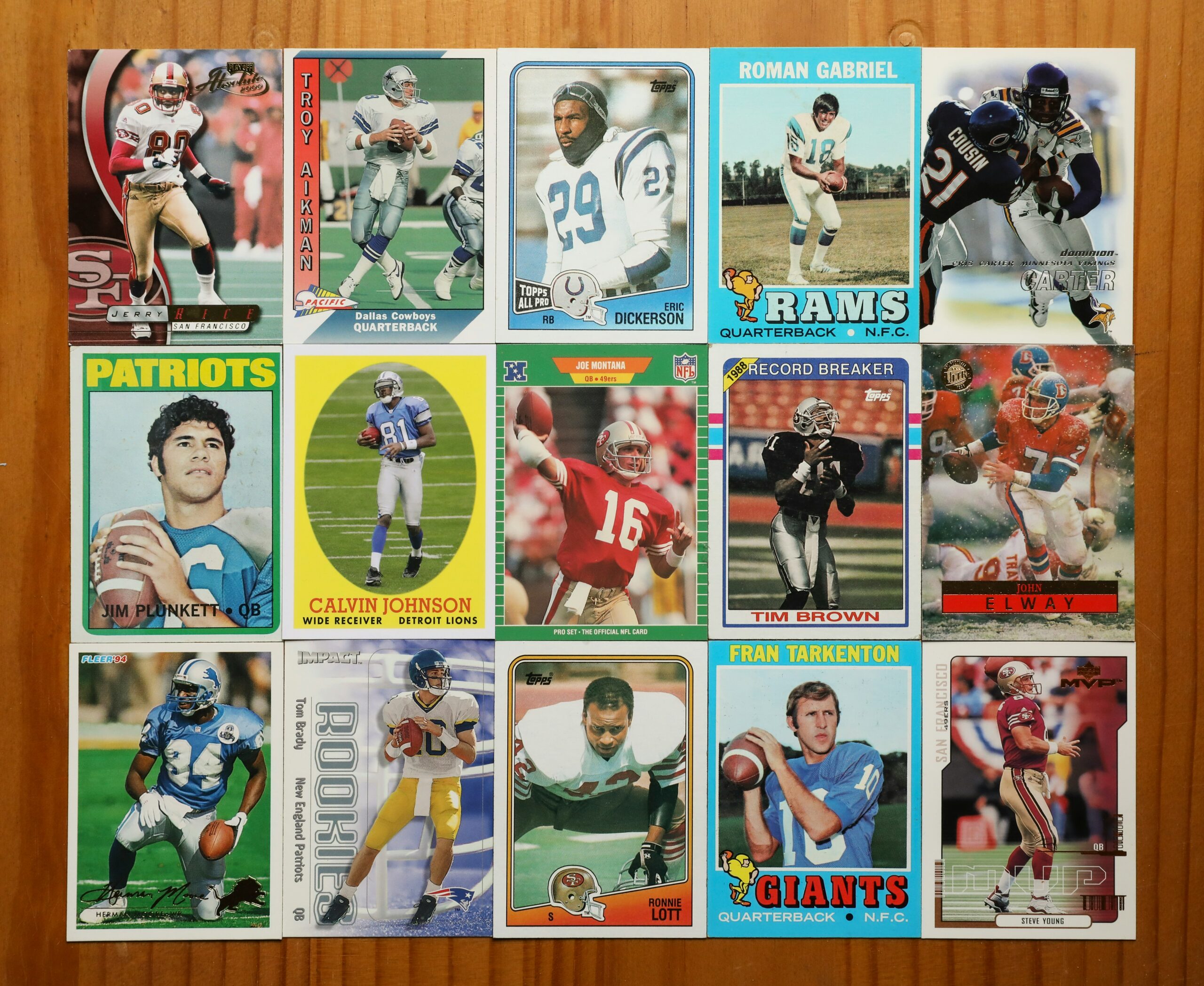
Sports card collecting has changed from a simple hobby into a serious financial opportunity. Many collectors now view rare cards as alternative assets alongside stocks, real estate, and precious metals. As a result, sports card collecting has gained attention from investors, athletes, and financial experts alike.
However, success in this market requires knowledge, patience, and careful research. Buyers who understand player performance, card scarcity, and market trends often make stronger decisions. Therefore, today’s collectors focus on long-term value instead of quick profits.
The Evolution of Sports Card Collecting
Sports card collecting began as a pastime for sports fans who wanted to celebrate their favorite athletes. Early cards often came inside tobacco products or gum packages. Over time, manufacturers introduced higher-quality cards with better designs and stronger protection.
Eventually, collectors began to notice that rare cards were increasing in value. Limited production runs created greater demand among enthusiasts. Consequently, collectors realized that scarcity could drive prices much higher over time.
Today, the industry looks very different. Digital marketplaces connect buyers and sellers worldwide. Professional grading companies also provide trusted evaluations that help establish card values. Therefore, collecting has become more organized and transparent than ever before.
Why Sports Card Collecting Appeals to Investors
Many investors seek assets that perform independently from traditional financial markets. Sports cards offer that opportunity because their value depends on collector demand rather than stock market performance. As a result, they attract people looking for portfolio diversification.
Rare collectibles also provide emotional value. Unlike stocks, collectors can display and enjoy valuable cards while holding them. This combination of financial potential and personal satisfaction creates strong appeal.
Moreover, younger generations continue entering the hobby. Their growing interest expands the customer base and supports long-term demand. Consequently, many experts believe the market has room for continued growth.
Card Rarity Drives Long-Term Value
Scarcity remains one of the strongest factors driving the value of sports cards. Manufacturers now produce numbered cards, limited editions, and exclusive releases. These products create competition among collectors who want unique items.
Additionally, rookie cards often receive the greatest attention. A player’s first officially licensed card usually attracts strong interest throughout that athlete’s career. Therefore, collectors frequently prioritize rookie cards when building investment portfolios.
Autographed cards and memorabilia cards also command premium prices. These products combine rarity with personal connections to athletes. As a result, they often appreciate faster than standard cards.
Professional Card Grading Builds Buyer Confidence
Professional grading transformed sports card collecting into a more trusted marketplace. Companies inspect cards for authenticity and evaluate their physical condition. They then assign standardized grades using detailed criteria.
High grades usually increase resale value because buyers trust independent evaluations. Furthermore, graded cards remain protected inside tamper-resistant holders. This protection preserves condition during storage and shipping.
Investors often focus on top grades because even small differences in condition can significantly affect prices. Therefore, understanding grading standards has become essential for anyone entering the hobby.
Market Trends Influence Sports Card Investment
Sports card values change with athlete performance, championship victories, and career milestones. A strong season often creates immediate excitement among collectors. Consequently, demand can increase rapidly.
Retirement announcements also affect prices. Legendary athletes often experience renewed interest after leaving professional competition. Similarly, Hall of Fame selections frequently boost market demand.
Economic conditions also play a role. During periods of higher disposable income, collectors may spend more on premium cards. However, experienced investors avoid emotional buying during short-term price spikes.
Instead, successful collectors study long-term market trends before making purchases. This disciplined approach reduces unnecessary risk and supports better investment decisions.
Technology Has Expanded the Sports Card Market
Technology has reshaped sports card collecting in remarkable ways. Online marketplaces allow collectors to compare prices instantly across thousands of listings. Therefore, buyers make more informed purchasing decisions.
Auction platforms also attract global audiences. Competitive bidding often establishes current market values for rare collectibles. As a result, price discovery has become more efficient.
Social media further strengthens the hobby. Collectors share discoveries, discuss market developments, and educate newcomers through videos and live broadcasts. Consequently, information spreads much faster than in previous decades.
Digital price guides also improve transparency. Investors can monitor historical pricing and identify long-term trends before making purchases.
Risk Management Matters in Sports Card Investing
Every investment carries risk, including sports card collecting. Player injuries, declining performance, or unexpected controversies may reduce card values. Therefore, diversification remains an important strategy.
Experienced investors rarely concentrate all purchases on one athlete. Instead, they build collections across different sports, eras, and player categories. This balanced approach helps reduce potential losses.
Storage also deserves careful attention. Cards require protection from moisture, sunlight, and physical damage. Proper storage preserves condition and supports future resale value.
Insurance becomes valuable for expensive collections as well. High-value cards deserve protection against theft, fire, or accidental loss. Consequently, serious investors often insure their collections.
Understanding Supply and Demand Creates Better Opportunities
Supply and demand remain the foundation of every collectible market. Limited availability, combined with strong collector interest, often drives prices higher. Therefore, understanding both factors improves investment decisions.
Manufacturers now release many specialty products each year. However, not every limited card becomes valuable. Collectors should evaluate player popularity, historical significance, and overall market demand before purchasing.
Additionally, timing matters. Buying during quieter market periods sometimes produces better long-term returns than purchasing during peak excitement. Patience often rewards disciplined investors.
The Role of Research in Successful Sports Card Collecting
Knowledge separates successful collectors from casual buyers. Investors should study player statistics, career achievements, and historical market performance before spending significant money.
Research also includes understanding different card manufacturers, production years, and print variations. Small details sometimes create substantial price differences. Therefore, careful examination protects buyers from costly mistakes.
Networking within the collecting community offers additional benefits. Experienced collectors often share valuable insights about market conditions and emerging opportunities. Consequently, ongoing education strengthens investment strategies.
Reliable information also helps investors recognize unrealistic pricing. Instead of following hype, disciplined collectors rely on verified market data.
Building a Long-Term Sports Card Investment Strategy
A successful sports card investment strategy requires clear goals and consistent discipline. Some collectors focus on Hall of Fame athletes with proven legacies. Others seek promising rookies with strong future potential.
Budget planning remains equally important. Investors should avoid overspending during periods of market excitement. Instead, regular purchases often create stronger long-term collections.
Periodic portfolio reviews also improve decision-making. Collectors can evaluate performance, identify weaknesses, and adjust strategies as market conditions change. Therefore, continuous improvement supports lasting success.
Most importantly, investors should enjoy the collecting experience. Financial returns matter, yet personal passion often encourages smarter and more patient decisions.
Why Sports Card Collecting Continues to Gain Investment Recognition
Sports card collecting has earned recognition because it combines passion with financial opportunity. Rare cards, professional grading, and global marketplaces have transformed the hobby into a respected alternative investment.
Furthermore, strong collector demand continues supporting market growth. Technology, education, and transparent pricing have created a healthier marketplace than ever before. As a result, informed investors can make better long-term decisions.
The future of sports card collecting depends on careful research, disciplined buying, and realistic expectations. Those who understand market fundamentals position themselves for greater success. Ultimately, collectors who balance enthusiasm with smart investing principles stand the best chance of building valuable collections that appreciate over time.