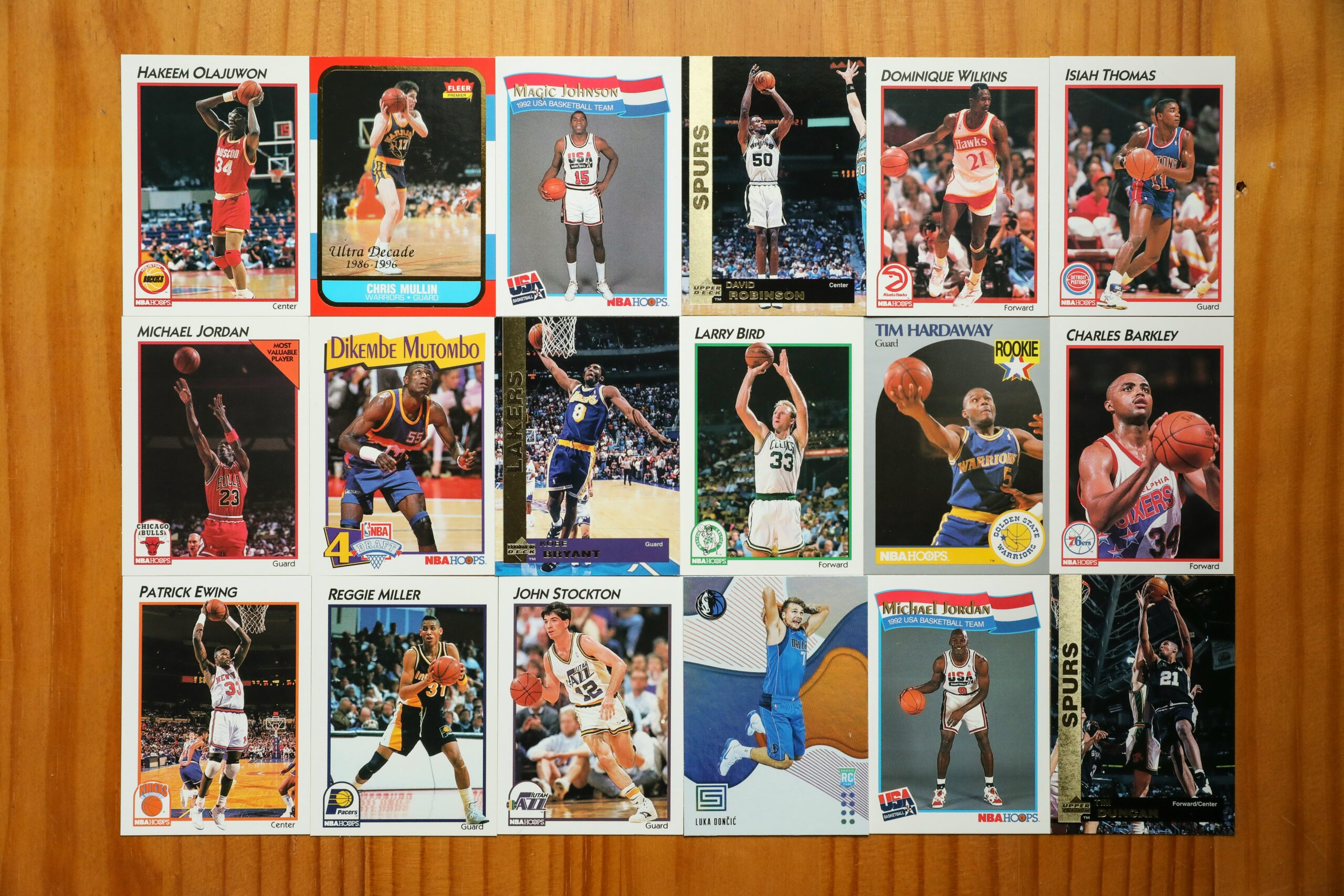
Sports cards have evolved from simple collectibles into high-value investment assets. Today, some rare cards sell for millions of dollars at major auctions. Collectors, investors, and sports fans often wonder why one card commands a few dollars while another reaches record-breaking prices.
The answer involves several factors that influence sports card value. Rarity, condition, historical significance, player legacy, and market demand all play critical roles. Understanding these elements helps explain why certain cards become some of the most valuable sports cards in history.
The Importance of Rarity in Sports Card Value
Rarity remains one of the strongest drivers of sports card value. When only a small number of cards exist, collectors compete aggressively to acquire them. As a result, prices often rise dramatically.
Manufacturers sometimes release limited-edition cards with strict production caps. In other cases, older cards become rare because many copies have disappeared over time. Therefore, surviving examples gain exceptional value.
Collectors place special emphasis on cards with low print runs. Cards numbered to 10, 5, or even 1 often attract significant attention. Consequently, scarcity creates a powerful foundation for long-term appreciation.
Card Condition Plays a Critical Role
Condition directly impacts how much collectors will pay for a card. Even rare sports cards lose substantial value when they show visible damage or wear.
Professional grading companies evaluate cards based on centering, corners, edges, and surface quality. Cards that receive top grades become especially desirable. For example, a Gem Mint 10 grade can increase a card’s value many times over.
Moreover, high-grade examples become harder to find as cards age. Therefore, pristine vintage cards often command premium prices in the marketplace.
Player Legacy and Career Achievements
The athlete featured on a card significantly affects its worth. Cards associated with legendary players consistently attract strong demand from collectors worldwide.
Athletes who dominate their sport often build lasting market appeal. Players such as Michael Jordan, Babe Ruth, Mickey Mantle, and Tom Brady have become iconic figures. As a result, their cards frequently reach extraordinary price levels.
Furthermore, championship victories, awards, and record-breaking performances strengthen a player’s legacy. Consequently, collectors view cards featuring these athletes as valuable pieces of sports history.
Why Rookie Cards Generate Massive Demand
Rookie cards represent a player’s first officially recognized trading card. Because of this distinction, collectors often consider them the most important cards in an athlete’s portfolio.
Many investors focus specifically on rookie cards because they mark the beginning of a player’s professional journey. If an athlete later achieves greatness, demand for that rookie card often increases substantially.
Additionally, rookie cards create a direct connection to a player’s rise to fame. Therefore, they remain among the most sought-after collectibles in the sports card market.
Historical Significance Creates Lasting Value
Some cards gain value because they represent important moments in sports history. These cards tell stories that extend beyond statistics and achievements.
For example, cards featuring groundbreaking athletes often carry cultural significance. Likewise, cards connected to major sporting eras attract strong collector interest.
Historical relevance adds emotional value to a collectible. As a result, buyers frequently pay premium prices for cards that symbolize important milestones within a sport.
Autographs and Memorabilia Increase Collectibility
Modern manufacturers often include autographs and game-used memorabilia in premium card products. These special features make cards more unique and desirable.
Authenticated signatures add a direct connection between the athlete and the collector. Similarly, memorabilia cards may contain pieces of jerseys, bats, gloves, or equipment used during competition.
Because these cards offer additional authenticity and exclusivity, they often command higher prices. Consequently, many of the most valuable sports cards include autograph or memorabilia components.
Market Demand Drives Record-Breaking Sales
Even the rarest card requires strong buyer interest to achieve extraordinary value. Market demand is the engine driving prices higher.
Collector enthusiasm often fluctuates based on player popularity and broader economic trends. For example, demand can surge when a player enters a hall of Fame or breaks a major record.
Additionally, increased media attention frequently introduces new buyers into the hobby. Therefore, rising demand can transform an already valuable card into a multimillion-dollar asset.
The Influence of Auction Houses and Private Sales
Major auction houses play an important role in establishing market value. High-profile sales attract global attention and create benchmarks for future transactions.
When a rare sports card appears at a prestigious auction, wealthy collectors often compete aggressively. This competition can drive prices far beyond initial estimates.
Private sales also influence the market. However, public auctions provide transparent pricing data that helps collectors understand current market trends.
Population Reports Affect Sports Card Value
Population reports track how many copies of a card exist at each grading level. Collectors frequently study these reports before making purchasing decisions.
A card with only a few Gem Mint examples becomes significantly more attractive. In contrast, a card with thousands of high-grade copies may face pricing limitations.
Therefore, population scarcity often adds another layer of rarity. This factor helps explain why some graded cards achieve remarkable valuations despite larger original print runs.
Investor Interest Has Changed the Industry
The sports card market has attracted increasing attention from investors. Many now view high-end cards as alternative assets alongside stocks, real estate, and fine art.
This investment perspective has brought new capital into the hobby. Consequently, competition for elite cards has intensified over recent years.
While collector passion remains essential, investor participation has expanded the market’s financial potential. As a result, record-breaking sales have become more common.
Why Emotional Connection Matters
Numbers and scarcity explain much of a card’s value. However, emotional attachment often influences purchasing decisions just as strongly.
Collectors frequently pursue cards linked to childhood memories, favorite teams, or beloved athletes. These personal connections create demand that extends beyond financial considerations.
Furthermore, nostalgia encourages long-term ownership and sustained interest. Therefore, emotional appeal remains an important component of sports card value.
The Future of Million-Dollar Sports Cards
The market for high-end sports cards continues to evolve. Digital platforms, global auctions, and increased transparency have expanded access for collectors worldwide.
At the same time, demand for rare sports cards remains strong. Elite collectors continue searching for iconic pieces that combine rarity, condition, and historical importance.
As sports legends continue to inspire new generations, certain cards will likely remain highly valuable. Consequently, the most exceptional examples may continue setting new sales records for years to come.
Understanding what makes certain sports cards worth millions requires examining several interconnected factors. Rarity, condition, player legacy, historical significance, and market demand all contribute to overall value.
While no single element guarantees success, the most valuable sports cards typically excel in multiple categories. As a result, these collectibles become far more than pieces of cardboard. They become treasured artifacts that capture defining moments in sports history while serving as highly desirable investment assets.