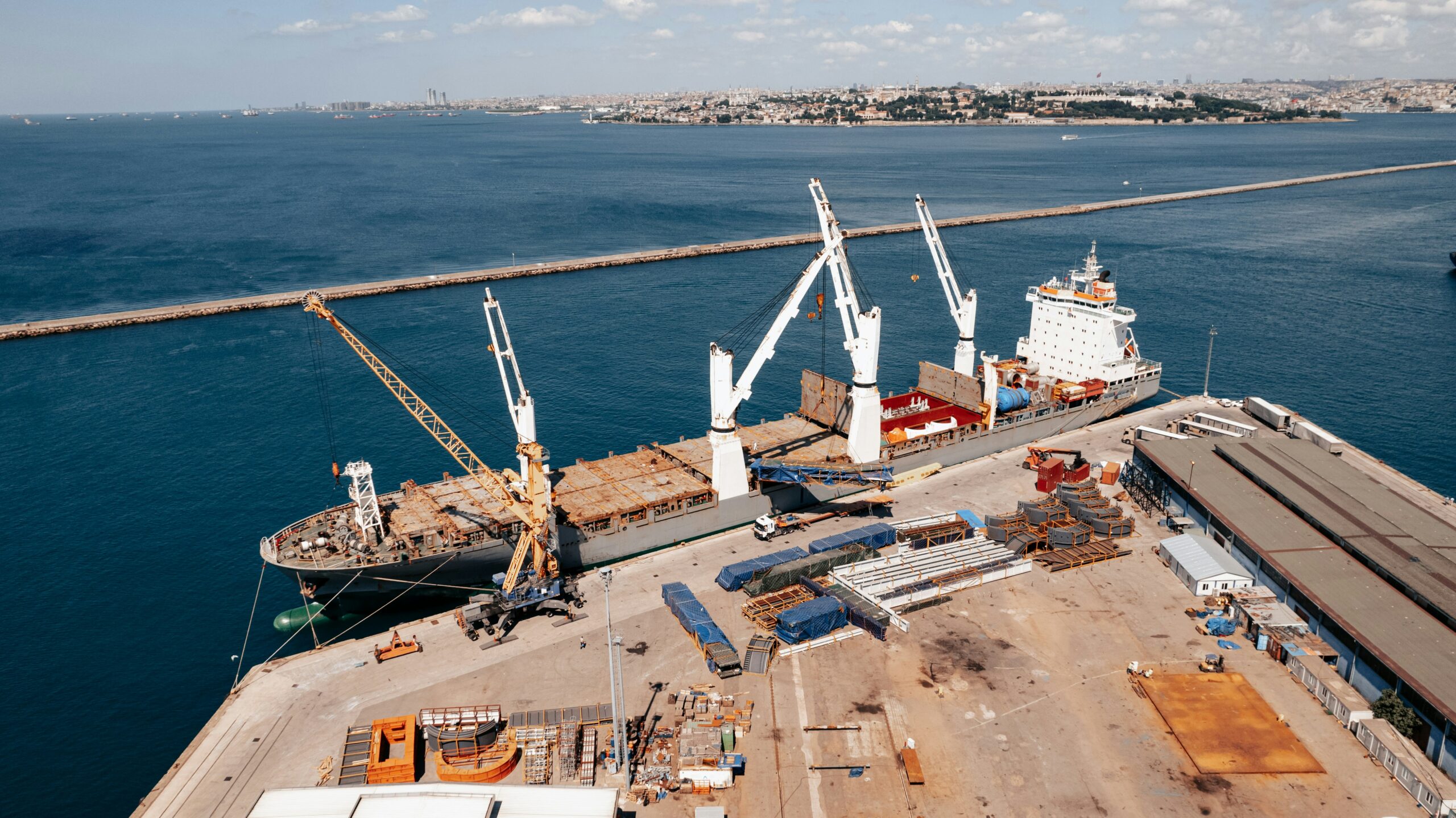
Constructing marine structures is never simple. When the environment becomes extreme, the difficulty rises sharply. Engineers face conditions that test both technology and human endurance. Harsh weather, strong currents, and remote locations demand careful planning. Every decision can affect safety, costs, and the structure’s lifespan.
In extreme conditions, the margin for error is small. Traditional construction methods often fail under high winds or icy waters. Teams must adapt and innovate to meet these challenges. The combination of nature’s unpredictability and the technical demands of marine construction makes it one of the most complex areas in civil engineering.
Harsh Weather and Its Impact on Marine Projects
Storms, heavy rain, and freezing temperatures make marine work risky. Strong winds can overturn cranes or shift floating platforms. Cold weather can freeze machinery, slowing progress and increasing the risk of accidents. Even small waves become dangerous when the environment is already unstable.
Water conditions often change without warning. Tides rise and fall, affecting stability and timing. Ice can form rapidly, damaging structures before they are completed. Teams must constantly monitor weather reports and water patterns to plan operations effectively. Flexibility and rapid response are essential to prevent costly delays or damage. Careful timing can determine whether a project proceeds safely or faces critical setbacks.
Material Challenges in Extreme Conditions
Materials behave differently in harsh environments. Metals may corrode more quickly in saltwater. Concrete may fail to cure properly in freezing temperatures. Using the wrong materials can shorten a project’s lifespan and compromise safety. Choosing durable materials is more than a preference; it is essential for survival in extreme environments.
Engineers must carefully select materials designed for extreme conditions. Reinforced steel, specially treated concrete, and high-performance composites provide better durability. Regular testing ensures materials perform as expected under stress. Protective coatings and specialized treatments add another layer of defense. This attention to detail keeps structures safe for decades and reduces costly repairs.
Logistics and Remote Site Difficulties
Many extreme marine projects take place far from major ports. Transporting equipment, supplies, and personnel is complicated and expensive. Delivery delays can halt construction, increasing costs and risk. Even small logistics mistakes can cause cascading delays that are difficult to recover from.
Remote sites also limit emergency response options. Injuries or equipment failure require careful planning and redundancy. Teams must ensure access to medical help and backup machinery. Every shipment and movement is planned to avoid disruption. Effective communication and contingency plans are crucial when working far from conventional support.
Safety Concerns and Risk Management
Human safety is always the top priority. Working over water in strong currents or icy conditions is inherently dangerous. Protective gear and safety protocols reduce risk but cannot eliminate it. Every worker must be aware of their surroundings at all times.
Risk management strategies are essential. Detailed site surveys, simulation drills, and constant monitoring help anticipate problems. Teams must respond quickly to emergencies to prevent accidents. Safety is built into every stage of construction, not just as a set of rules but as a daily practice. A culture of vigilance ensures that small oversights do not turn into major incidents.
Innovative Construction Techniques
Extreme environments often require new approaches. Floating platforms, modular construction, and specialized cranes allow work in conditions that traditional methods cannot handle. These techniques reduce exposure to danger while maintaining progress.
Technology plays a key role. Remote-operated vehicles can inspect structures underwater without risking lives. Sensors track stress and movement, alerting engineers to potential failures. Drone surveys provide real-time data on changing conditions. Innovation is no longer optional; it is essential to effectively address environmental challenges.
Environmental Considerations
Marine construction can impact fragile ecosystems. Extreme sites are often home to sensitive species and habitats. Poorly planned projects can cause erosion, pollution, or long-term ecological damage. Maintaining environmental balance is critical to responsible construction.
Sustainable practices are critical. Engineers use designs that minimize disturbance to the seabed and marine life. Careful monitoring ensures compliance with environmental standards. Reducing noise, controlling runoff, and preserving local habitats are key considerations. Balancing human needs with nature’s protection is a constant challenge that requires ongoing attention.
Cost and Time Management
Working in extreme environments dramatically increases costs. Specialized equipment, materials, and labor all add to the budget. Delays caused by weather or logistics make accurate forecasting difficult. Without careful planning, budgets can quickly spiral out of control.
Effective planning reduces unnecessary expenses. Project managers must anticipate risks, schedule work efficiently, and allocate resources wisely. Time management is as important as technical skill. Structured schedules, adaptive timelines, and regular reviews keep projects on track. Projects that respect both cost and schedule are more likely to succeed under extreme conditions and ensure long-term viability.
Future of Marine Construction in Extreme Conditions
The demand for marine infrastructure continues to grow. Offshore energy, transportation, and defense projects are increasingly operating in extreme environments. Future construction will rely on smarter materials, automated equipment, and better forecasting tools.
Collaboration between engineers, scientists, and technology developers is crucial. By learning from past challenges and embracing innovation, the industry can continue building safely and sustainably. The combination of human ingenuity and modern technology offers hope for projects in even the harshest conditions. With careful planning and innovation, marine construction can meet the growing demands of a changing world.
Marine construction in extreme environments is a field of constant challenge. Harsh weather, difficult materials, remote locations, and safety risks require careful planning and innovation. Every decision has a direct impact on a project’s success.