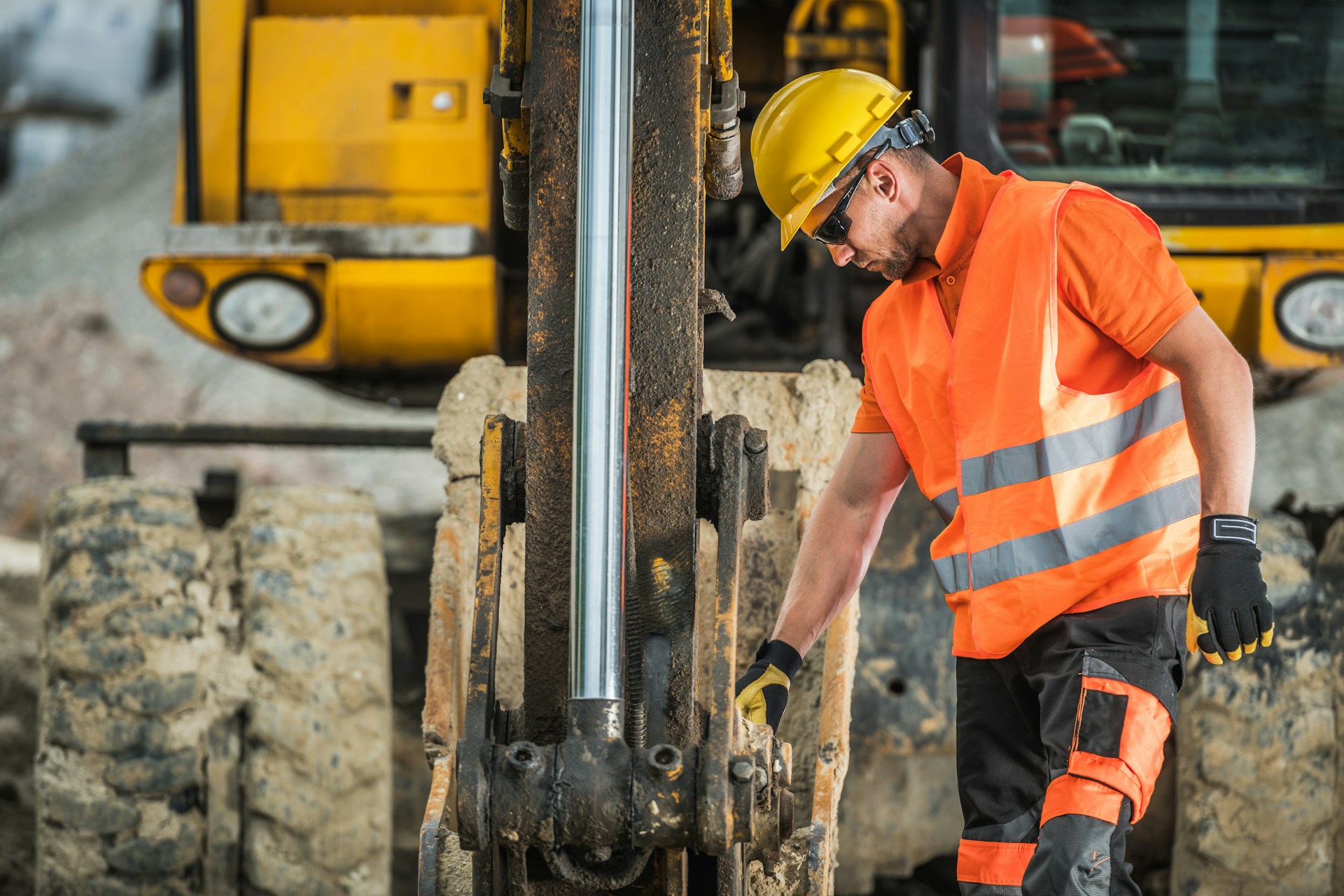
Modern construction begins long before walls rise or concrete gets poured. Every successful structure depends on the quality of the ground beneath it. Dirt work plays a major role in preparing construction sites for roads, buildings, drainage systems, and large commercial projects. Without proper land preparation, even the strongest structures can face serious issues over time. As a result, contractors now focus heavily on advanced grading, excavation, and soil management techniques. Today, precision earthmoving services continue to transform how construction teams prepare land for safe, efficient development.
Dirt work combines science, engineering, and skilled labor to create stable foundations. Contractors use specialized equipment to excavate soil, level surfaces, and manage drainage systems before construction begins. These tasks may seem simple from a distance, but they require detailed planning and technical knowledge. As construction technology improves, modern dirt work continues to become faster, safer, and more accurate.
Why Dirt Work Matters in Construction
Every construction project relies on proper site preparation. Dirt work creates stable conditions that support roads, buildings, parking lots, and utility systems. Without careful groundwork, structures may shift, crack, or settle unevenly over time. Therefore, contractors invest significant time and resources into preparing the land correctly before moving to the next phase of construction.
Excavation forms one of the most important parts of dirt work. Contractors remove unwanted soil, rocks, and debris to properly shape the construction site. In addition, excavation creates space for underground utilities, foundations, and drainage systems. Proper excavation also helps prevent future flooding and erosion, which may damage structures later.
Grading is equally important during site preparation. Construction crews use grading equipment to level surfaces and create controlled slopes that direct water away from buildings. Smooth and balanced grading improves both safety and long-term durability. As a result, modern dirt work supports both structural stability and environmental protection.
Modern Technology in Dirt Work Operations
Technology has changed nearly every part of the construction industry, including dirt work. Modern contractors now use GPS systems, drones, and laser-guided equipment to improve accuracy during excavation and grading projects. These tools help operators complete tasks faster while reducing costly mistakes.
GPS-controlled bulldozers and excavators allow crews to follow detailed site plans with impressive precision. Operators can adjust grading levels more accurately, which helps save time and reduce material waste. Drones also provide aerial views of construction sites, allowing project managers to monitor progress and identify potential issues quickly.
In addition, modern software programs improve communication between engineers, contractors, and equipment operators. Digital mapping systems help teams plan excavation depths, drainage systems, and grading patterns before work begins. Because of these improvements, construction projects now move more efficiently from planning to completion.
The Role of Excavation in Site Preparation
Excavation serves as the foundation of most dirt work operations. Contractors begin by analyzing soil conditions, terrain, and environmental factors before removing earth from the site. Careful planning helps ensure safe excavation practices and proper land preparation for future construction.
Large excavators, loaders, and backhoes handle most excavation work on modern job sites. These machines remove soil quickly while allowing operators to shape the land according to engineering plans. Excavation crews also create trenches for water lines, sewer systems, and electrical utilities during this phase of construction.
Safety remains extremely important during excavation work. Construction crews must monitor soil stability and prevent cave-ins around deep trenches or slopes. In many projects, engineers inspect excavation areas regularly to ensure the site remains secure for workers and nearby structures.
Building Stable Foundations Through Soil Management
Soil quality directly affects the strength and durability of any construction project. Dirt work crews carefully evaluate soil conditions before construction begins to determine whether the ground can safely support heavy structures. Weak or unstable soil may require additional treatment before building starts.
Compaction forms one of the most important parts of soil preparation. Construction crews use rollers and compactors to compress soil and remove air pockets beneath the surface. Proper compaction increases soil strength and reduces the risk of future settling. As a result, roads and buildings maintain greater long-term stability through advanced ground stabilization methods.
Drainage control also plays a major role in soil management. Excess water can weaken soil and damage foundations over time. Therefore, contractors design grading systems and drainage channels to move water away from construction areas safely.
Advancing Efficiency with Site Grading Solutions
Modern construction companies constantly seek ways to improve efficiency during dirt work. Advanced grading systems now help crews complete projects faster while maintaining high levels of accuracy and safety. These improvements allow contractors to handle larger projects with fewer delays and lower operating costs.
Laser-guided grading equipment creates smoother surfaces and more consistent elevation levels across construction sites. Operators can automatically adjust grading blades based on digital site plans, reducing human error and improving precision. In addition, automated systems help minimize fuel consumption and unnecessary machine movement.
Efficient grading also improves project scheduling. Faster dirt work preparation allows other construction phases to begin sooner, helping contractors meet tight deadlines more effectively. Because of these advantages, modern grading technology continues to play a major role in large construction developments.
Environmental Responsibility in Dirt Work
Environmental concerns now influence many construction decisions, including dirt work practices. Contractors must follow regulations that protect nearby ecosystems, waterways, and air quality during excavation and grading operations. Responsible land management helps reduce environmental damage while supporting sustainable construction practices.
Erosion control remains one of the most important environmental priorities on construction sites. Dirt work crews install barriers, drainage systems, and protective coverings to prevent loose soil from washing into rivers or storm drains. These measures help preserve water quality and reduce environmental impact.
Many companies also recycle soil and construction materials whenever possible. Instead of removing excess dirt completely, contractors may reuse it for landscaping, road construction, or site leveling. Sustainable practices help reduce waste and lower transportation costs during large projects.
The Future of Dirt Work in Construction
The future of construction will continue to depend on strong site preparation and efficient earthmoving practices. Every road, bridge, and commercial building begins with proper groundwork. In many ways, successful construction results from careful planning, advanced technology, and reliable dirt work. Companies that invest in modern methods and skilled labor will continue shaping the future of infrastructure through foundation excavation experts and innovative construction practices.
Modern dirt work continues to evolve as construction technology advances. New equipment, digital mapping systems, and automated machinery now allow crews to complete projects faster and with greater accuracy than ever before. These innovations help improve both productivity and job site safety.
Skilled operators remain essential despite increasing automation. Experienced workers understand soil behavior, grading techniques, and equipment operation in ways that technology alone cannot replace. Their expertise helps ensure safe and successful project completion from start to finish.