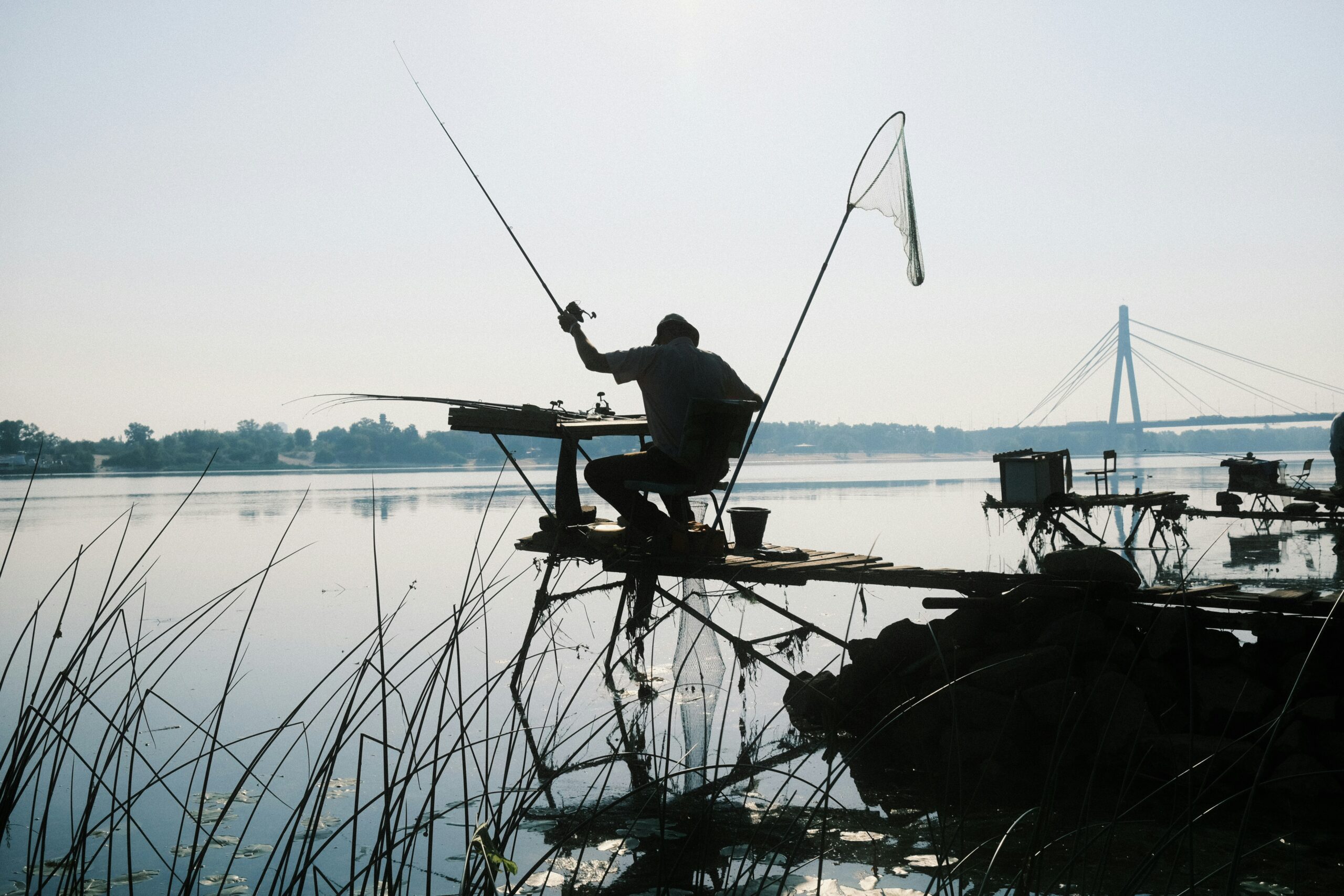
Choosing the right hunting and fishing equipment shapes the entire outdoor experience, since your tools influence comfort, performance, and overall success. When beginners and experienced explorers understand how to evaluate gear, the process becomes less stressful and far more rewarding. Because every environment presents unique challenges, picking the best equipment requires research, awareness, and thoughtful decision-making. With the correct tools, your confidence grows, your skills improve, and each trip becomes a memorable outdoor adventure.
Understanding Your Environment
Your surroundings play a major role in choosing the right hunting and fishing equipment, since terrain, weather, and wildlife determine how well specific tools perform. When you study the landscape before your trip, you gain insight into what you will face and how to adapt. This awareness guides your decisions and helps you avoid gear that doesn’t meet your needs. As you learn more about your destination, you begin to recognize how small environmental details influence your equipment choices.
Weather patterns also shape your planning because conditions can shift quickly. When you understand how rain, wind, or temperature changes affect your outing, you prepare more effectively. This preparation supports better decision-making and reduces frustration in the field. As you grow more familiar with environmental factors, choosing proper gear becomes easier and more intuitive.
Selecting the Right Clothing
Clothing serves as your first line of defense, and choosing the right options ensures comfort throughout your trip. When you pick materials designed for your climate, you stay dry, warm, and mobile. This comfort helps you remain focused and perform better during long days outdoors. As you experiment with different fabrics, you learn which options handle moisture, wind, or cold most effectively.
Proper fit also matters because poorly fitting clothing can affect movement and reaction time. When your gear fits well, you walk, cast, or aim with far greater precision. This benefit strengthens every part of your experience and supports safer outdoor practices. As you continue refining your clothing selection, you build a system that supports you across various conditions.
Evaluating Essential Hunting Gear
When choosing hunting tools, accuracy and reliability influence every decision, making the right gear essential for success. Weapons, optics, and safety tools must match your skill level and environment. When you select tools that feel comfortable and stable, you gain confidence on every outing. As you become familiar with your equipment, your technique improves, and your accuracy strengthens.
Quality also plays an important role because dependable gear performs well in unpredictable conditions. When you invest in tools made from strong, durable materials, you reduce the risk of failure in the field. This reliability ensures a smoother and safer experience, especially when conditions shift quickly. As you continue learning, you build a deeper understanding of how to choose tools that match your style and goals.
Choosing the Best Fishing Gear
Fishing success often depends on using rods, reels, and lines suited for the species and water conditions, making careful selection essential. When you match your gear to the environment, you improve your ability to cast accurately and present your bait effectively. This alignment increases the chances of attracting fish and makes the outing more enjoyable. As you practice with different setups, you gain valuable insight into what works best for each scenario.
Durability also matters because fishing gear is constantly subjected to water, movement, and repeated use. When you invest in sturdy materials, your tools last longer and perform more consistently. This consistency helps you focus on reading the water rather than worrying about equipment failure. As you continue developing your fishing skills, reliable gear becomes one of your strongest advantages.
Understanding the Role of Footwear
Footwear remains one of the most important components of hunting and fishing equipment, since your feet carry you through rugged terrain and unpredictable environments. When you choose boots designed for your specific activity, you protect yourself from discomfort, slips, and injuries. This protection lets you travel confidently across mud, rocks, and uneven ground. As you explore different footwear options, you discover how important proper support is during long outdoor days.
Comfort also influences stamina because tired or sore feet reduce your energy and focus. When your boots offer cushioning, stability, and traction, you move with less strain and perform better. This comfort helps you stay alert during long hikes or extended fishing sessions. As you refine your footwear choices, you strengthen your ability to enjoy longer and more productive trips.
Using Optics and Navigation Tools
Optics enhance your ability to observe your surroundings and play a vital role in spotting wildlife and reading water conditions. When you select binoculars or scopes suited for your environment, you increase your visibility and accuracy. This improvement helps you make smarter decisions and respond more effectively to quickly changing situations. As you practice using optics, you gain a clearer understanding of how they elevate your results.
Navigation tools also support safe travel, especially in remote areas where landmarks may be difficult to follow. When you rely on maps, compasses, or GPS devices, you maintain awareness of your location and direction. This awareness prevents unnecessary risk and keeps your trip on course. As you grow more comfortable with navigation, you approach new locations with greater confidence.
Maintaining Your Equipment
Proper maintenance extends the life of your hunting and fishing equipment, ensuring you get the best performance from every tool. When you clean, repair, and store your gear correctly, you reduce the chances of malfunction. This practice improves safety and consistency, especially on longer trips. As you develop a maintenance routine, your equipment becomes more reliable and predictable.
Preventive care also saves time and money by reducing the need for replacements. When you monitor your gear for wear and address problems early, you preserve performance and avoid setbacks in the field. This habit increases your sense of control and prepares you for future adventures. As maintenance becomes part of your outdoor routine, you build a stronger foundation for every trip.