Marine construction is one of the most demanding forms of building. It takes place on rivers, lakes, bays, ports, coastlines, and open water. In calm weather, the work is already complex. In extreme environments, the challenge grows much larger.
Crews may face high waves, strong currents, freezing air, deep water, heavy winds, soft seabeds, and saltwater damage. Every part of the job must be planned with care. A small mistake can affect safety, cost, and the life of the structure.
Marine construction in extreme environments is not only about placing steel, concrete, or timber in water. It is about understanding nature, choosing the right tools, and building systems that can stand firm for many years.
Why Extreme Water Sites Are So Difficult
Extreme water sites change fast. A jobsite on land may stay fairly stable. A marine site does not. Water levels rise and fall. Currents shift. Storms can move in with little warning. Ice can press against piles. Salt can break down materials over time.
These conditions make access harder. Workers may need boats, barges, cranes, divers, and floating platforms just to reach the site. Equipment must stay steady while the water moves under it. Materials must be delivered at the right time, since storage space is often limited.
Marine construction also depends on windows of safe weather. If wind, waves, or tides become unsafe, work may stop. This can slow the schedule. It can also raise costs. That is why strong planning matters from the first survey to the final inspection.
Site Surveys Guide Every Decision
Before any marine construction project starts, engineers study the site. They look at water depth, soil type, wave action, tide range, current speed, weather history, and nearby structures. This survey helps the team understand what the site can support.
Soil under water can be very different from soil on land. It may be soft, loose, rocky, or uneven. If the soil cannot carry heavy loads, engineers may use deep foundations. These can include driven piles, drilled shafts, or special anchors.
Survey teams also check for hidden risks. Old debris, buried cables, underwater slopes, and weak layers can all affect the design. Good survey work reduces surprises. It also helps crews choose safer methods before equipment arrives.
Building for Waves, Wind, and Current
Marine construction must account for forces that move in many directions. Waves push, pull, lift, and strike. Currents create steady pressure. Wind affects cranes, barges, and tall structures. Storm surge can raise water far above normal levels.
Engineers design marine structures to handle these loads. A dock, pier, seawall, bridge support, or offshore platform must resist movement. It must also return to a stable condition after stress. This balance is important in harsh water zones.
Shape matters as well. Some structures use open designs that let water pass through. Others use solid barriers to block waves or protect shorelines. The best choice depends on the site, the purpose, and the expected weather.
Materials Must Fight Corrosion
Saltwater is one of the biggest threats in marine construction. It can corrode steel, weaken connections, and damage concrete over time. Even freshwater sites can cause wear, especially when water freezes, carries debris, or contains chemicals.
To protect structures, engineers choose durable materials. Common options include treated timber, coated steel, stainless steel, reinforced concrete, composite parts, and marine-grade hardware. Protective coatings can help slow corrosion. Cathodic protection may also be used to control damage on metal parts.
Concrete used in marine construction must be carefully mixed and placed. It needs to resist cracking, water entry, and chemical attack. When concrete cracks, water can reach the steel inside. That can lead to rust and swelling, which weakens the structure.
Safety Comes Before Speed
Extreme marine construction sites can be dangerous. Workers may deal with slippery surfaces, moving vessels, heavy lifts, cold water, low visibility, and changing weather. Safety plans must be clear and active every day.
Crews need proper training for work over water. They may use life jackets, fall protection, radios, rescue boats, and emergency plans. Divers need added support, since underwater work can include poor visibility, pressure changes, and limited movement.
Weather checks are also part of safety. Teams track wind, tide, wave height, lightning risk, and storm systems. If conditions cross safe limits, work should pause. A strong safety culture protects people and also protects the project.
Special Equipment Makes the Work Possible
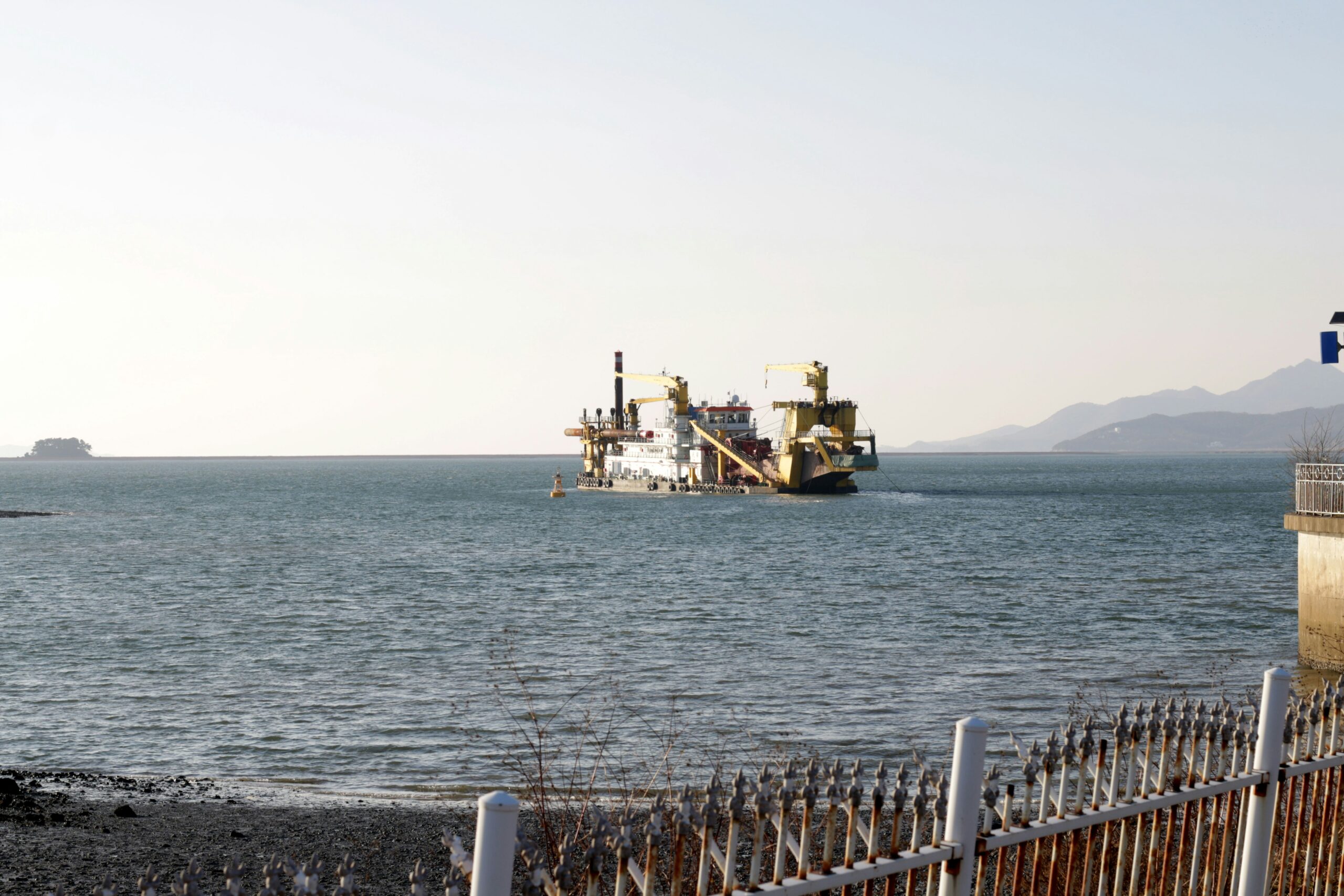
Marine construction needs equipment built for water-based work. Barges can carry cranes, drills, concrete pumps, and materials. Tugboats move platforms into place. Pile drivers install foundations below the waterline. Divers and remotely operated vehicles inspect areas that people cannot reach safely.
In deep or rough water, equipment must be anchored or held in place with positioning systems. This keeps the work accurate. It also reduces risk during lifting, drilling, and installation.
Technology now plays a larger role in marine construction. Sonar mapping, GPS layout, sensors, drones, and digital models help teams plan and monitor work. These tools improve accuracy and help catch problems early.
Environmental Care Is Part of the Job
Marine construction takes place in sensitive areas. Fish, plants, wetlands, reefs, shorelines, and water quality can all be affected. Responsible teams plan ways to limit harm before work begins.
This may include silt curtains, noise control, careful timing, spill plans, and limits on work during fish spawning periods. Crews may also use cleaner methods when driving piles or placing fill. The goal is to build what is needed while protecting the water around it.
Permits are often required for marine construction. Agencies may review the design, materials, schedule, and environmental controls. A project that respects these rules is more likely to move forward without delays.
Strong Planning Builds Long-Term Value
Marine construction in extreme environments calls for skill, patience, and clear thinking. The water is always part of the project. It affects design, access, safety, materials, cost, and schedule.
A strong project starts with a careful survey. It grows through smart engineering, safe field work, and durable material choices. It also depends on respect for weather, water, and the natural setting.
When done well, marine construction creates structures that serve people for many years. Ports can handle trade. Bridges can connect communities. Seawalls can protect shorelines. Docks can support travel, fishing, and business.
Building on the water is never simple. In extreme environments, it becomes even more complex. But with the right plan, the right team, and the right methods, marine construction can turn unstable water sites into strong and useful places.